Ceiling Fan Direction in Summer: A Smart Move for Energy-Efficient Comfort
Ceiling fans are among the most underrated home appliances when it comes to managing indoor climate effectively. They offer an energy-efficient way to keep your living space comfortable year-round—especially during the heat of summer. However, what many homeowners don’t realize is that the direction your ceiling fan spins plays a critical role in how well it works. Adjusting your ceiling fan to the correct seasonal setting can enhance cooling, reduce your reliance on air conditioning, and even prolong the life of your home systems. In this article, we’ll explore how ceiling fans work, why fan direction matters in the summer, and how aligning this simple practice with a home warranty can contribute to long-term home efficiency.
Understanding How Ceiling Fans Actually Work
Before diving into summer-specific settings, it’s helpful to understand what a ceiling fan truly does. Contrary to popular belief, ceiling fans don’t cool the air—they move it. The breeze created by a spinning ceiling fan fosters a wind-chill effect, which makes your skin feel cooler. This effect can drop your perceived temperature by up to four degrees Fahrenheit. As a result, you can keep the thermostat a few degrees higher without compromising comfort, translating directly into energy savings. The direction in which the fan blades spin affects airflow, directing cooler air down in summer or circulating warm air in winter. When used correctly alongside HVAC systems, ceiling fans can lead to significant efficiency improvements while reducing overall home energy demand.
What Fan Direction is Correct for Summer?
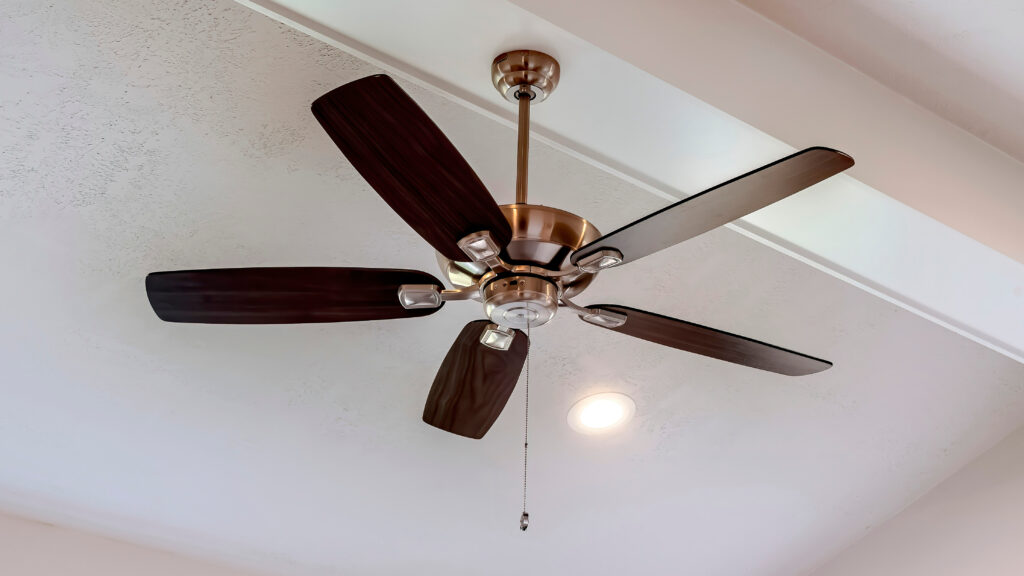
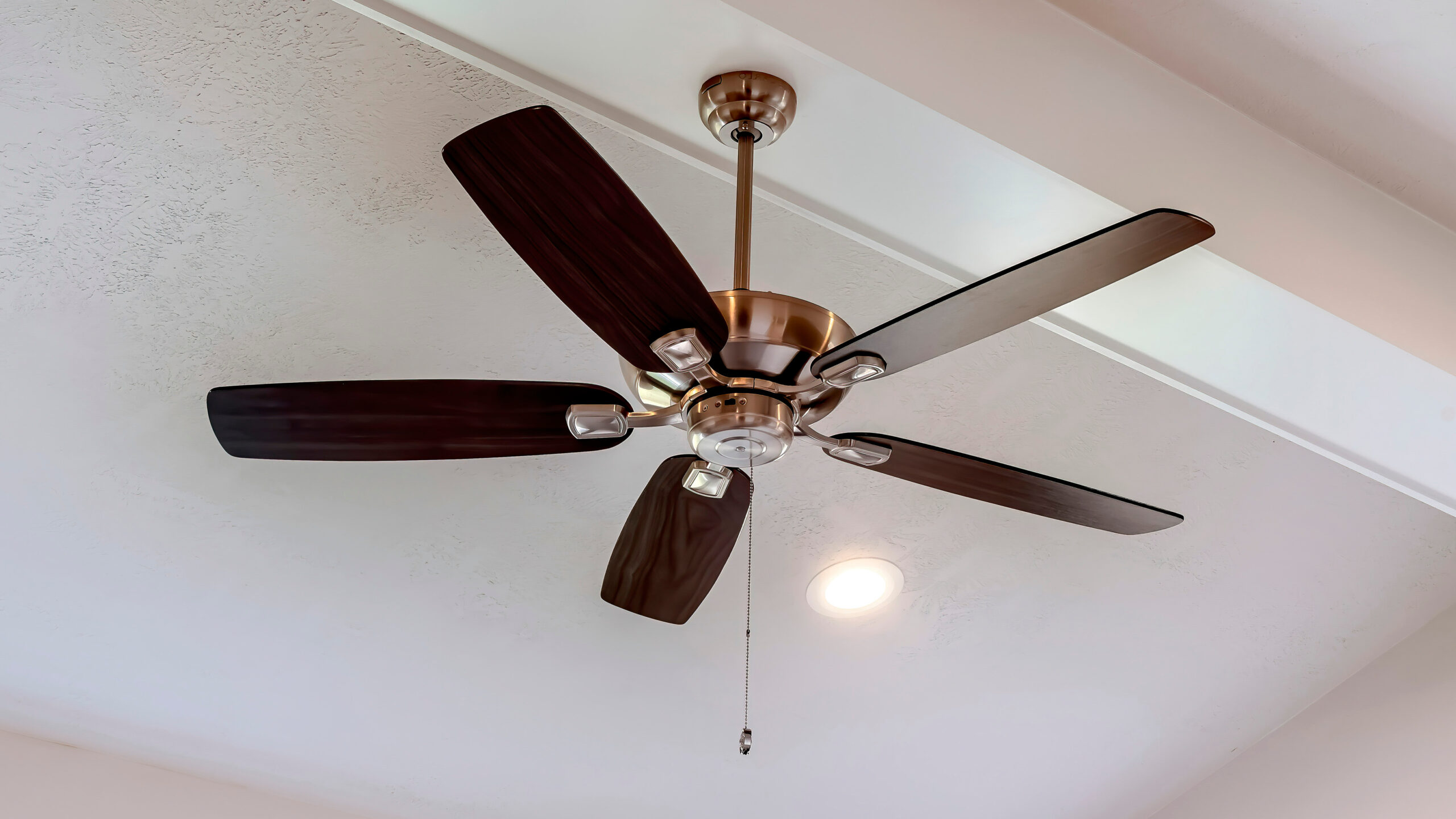
In summer, ceiling fans should rotate counterclockwise. When viewed from beneath, this direction pushes air downward to create a cool breeze that you can actually feel. Most ceiling fans have a small switch on the motor housing that reverses blade direction. Depending on the manufacturer, these may be labeled or unlabeled, so it’s important to verify direction visually. Once switched to the correct setting, your fan will drive air downward, increasing air movement and enhancing comfort during hot months. The additional airflow can allow you to raise your thermostat by a few degrees, which not only preserves your air conditioning system but also trims your utility bills. A ceiling fan in the proper summer mode is one of the smallest yet most effective details in seasonal home climate management.
Energy Savings and Mechanical Benefits
Running a ceiling fan consumes significantly less electricity than operating an air conditioner. A medium-sized fan typically uses 15 to 90 watts, while a central air conditioning system may use over 3500 watts. By relying more on ceiling fans and adjusting the HVAC thermostat, homeowners can reduce their monthly energy bills by up to 10 percent in many cases. There is also a mechanical benefit: reduced strain on your HVAC system. Longer intervals between cooling cycles reduce wear on compressors and air handlers, ultimately extending the life of these pricey components. This kind of symbiotic function—thermal comfort supported by smarter airflow—represents the sort of systems-driven home strategy that enhances efficiency and sustainability at once.
Common Issues and Mistakes with Ceiling Fan Use
Despite their simplicity, ceiling fans are often used inefficiently, especially in transitional seasons. One frequent issue is failure to change fan direction seasonally. Homeowners often leave fans in one consistent setting throughout the year, resulting in compromised performance. Another misstep is running ceiling fans in unoccupied rooms, which wastes electricity without offering any cooling benefit. Maintenance is also key. Dust accumulation on blades can lead to unbalanced operation, odd noises, and reduced efficiency. Electrical issues, like a faulty wall switch or decaying capacitor, can stop fans from reversing direction entirely. It’s also important to size the fan correctly to the room. A small fan in a large space won’t move enough air to create the desired cooling effect, while a fan that’s too large can feel overpowering in a small room. These are preventable setbacks, and with thoughtful use, your ceiling fan can be a quiet yet powerful ally in your home’s comfort arsenal.
When to Consider Ceiling Fan Upgrades or Replacements
If your current ceiling fan is more than ten years old, shows signs of wear, or doesn’t support reversible direction, it may be time to upgrade. Modern ceiling fans include more energy-efficient motors, blade designs that produce better airflow, and integrated smart controls. Some models even sync with home automation systems to optimize performance based on room occupancy or temperature changes. Look also for Energy Star-rated models, which meet strict efficiency guidelines developed by the U.S. Environmental Protection Agency. In terms of performance, newer models function more quietly, which makes them suitable for bedrooms and study areas while still performing effectively. Replacing an outdated ceiling fan is a low-impact, high-return home improvement project that aligns well with both aesthetic upgrades and functional performance.
How Ceiling Fan Use Aligns with Your Home Warranty Strategy
Homeowners who regularly maintain and optimize the use of key appliances—like ceiling fans—will see better longevity and performance across related systems, including HVAC and electrical. This approach harmonizes perfectly with the philosophy behind modern home warranty plans. By reducing strain on your air conditioner, for example, you decrease the chance of premature failure, leading to fewer claims and more consistent indoor comfort. That said, no home system is invincible. Electrical faults, motor issues, and wiring degradation can still occur in ceiling fans or connected components unexpectedly. A robust home warranty that includes electrical systems can reduce the financial impact of these problems and support quick, qualified repair services. Smart ceiling fan usage reflects a commitment to responsible homeownership—one that goes hand-in-hand with warranty coverage designed to protect your budget and lifestyle from unnecessary disruptions.
Protect Your Comfort with Armadillo
Using your ceiling fan in the correct summer setting is more than a comforting upgrade—it’s part of a sustainable, efficient approach to home management. At Armadillo, we understand that every part of your home, from your HVAC system to your ceiling fan, works together to deliver the comfort and reliability you expect every season. Our home warranty plans are built for homeowners who value proactive protection and intelligent home strategies. Whether you’re enhancing airflow or replacing aging electrical fixtures, we’ve got your back. Learn how our modern home warranty can safeguard your home systems year-round at armadillo.one. Ready to build your perfect plan? Start here: Get Covered Now.