Understanding Sprinkler Pipe Leaks and Grounding: What Homeowners Need to Know
Residential sprinkler systems offer convenient lawn care solutions, yet they often go unnoticed—until something goes wrong. Among the common issues homeowners face are leaking sprinkler pipes and improper grounding, both of which can cause costly damage without early detection. While these systems provide automated irrigation and improved property value, they come with specific vulnerabilities that every homeowner should understand. Knowing how your sprinkler system works, what can go wrong, and how to safeguard it—possibly using a home warranty—can prevent frustration and financial surprises.
How Residential Sprinkler Systems Work
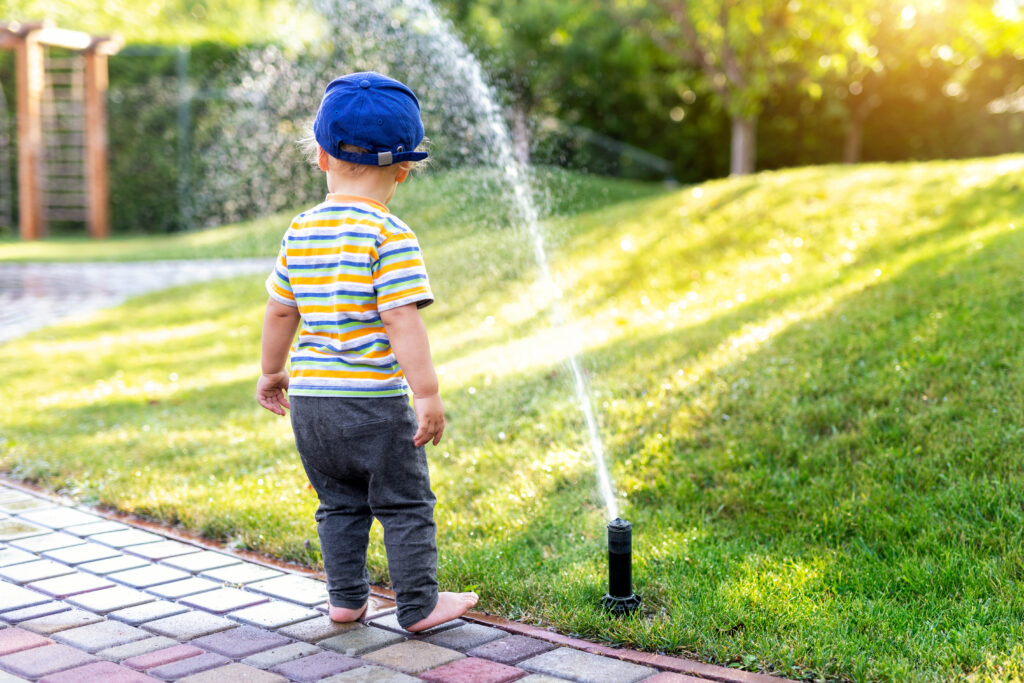
At their core, sprinkler systems are networks of pipes, valves, timers, and sprinkler heads strategically placed across your lawn to distribute water evenly. A central controller or timer acts as the brain of the system, telling the valves when to open and close. Water flows through underground piping, diverted through various zones to ensure thorough coverage. These pipes, typically made of PVC or polyethylene, are buried just a few inches below the surface—making them susceptible to pressure buildup, tree roots, soil shifting, freezing temperatures, and even small animal interference. While the system looks simple from above, it’s working continuously below ground, where years of wear eventually manifest as leaks or electrical faults.
What Causes Sprinkler Pipe Leaks?
Though resilient, sprinkler pipe materials are not immune to damage. PVC piping, widely used for sprinkler systems, can crack under the stress of ground movement or repeated freeze-thaw cycles in colder regions. Polyethylene piping is more flexible but more susceptible to degradation over time. Leaks often originate from joint fittings where pressure accumulates, particularly if system pressure exceeds recommended levels. Tree roots pose another threat, slowly exerting pressure on buried lines until a fracture develops. Over time, small leaks saturate the soil, leading to elevated water bills and soft, sunken spots in the yard. Frustratingly, these symptoms are subtle and may take weeks to become visible—making timely diagnosis a challenge for many homeowners.
Understanding Electrical Grounding in Sprinkler Systems
Grounding is a lesser-known but vital component of modern sprinkler systems, particularly those with electronic controllers. In simple terms, grounding ensures that if there’s ever a surge in electrical current—due to lightning or system faults—the excess electricity is safely diverted into the earth rather than damaging sensitive components. Most sprinkler systems with automation features include weather sensors, Wi-Fi modules, and circuit boards, all of which require safe electrical design to operate reliably. Improper grounding can not only damage the controller unit but also create safety hazards or compromise the system’s long-term function. A properly grounded system also protects nearby wiring in your home, reducing risk across the board. Neglect here can lead to unexpected and costly replacements—particularly if you don’t have a comprehensive protection plan in place.
Signs You Have a Sprinkler Pipe Leak or Grounding Problem
Detecting a leak or grounding issue often comes down to recognizing patterns. If parts of your lawn stay soggy long after the system shuts off, or if grass looks healthier in just one area, there could be a slow leak underneath. Unusual spikes in your water bill are another indicator. In winter, pipe leaks can lead to noticeable ice buildup—even when temperatures rise during the day. On the electrical side, signs include controller malfunctions, erratic zone behavior, or units that reset themselves without warning. Burnt odors near the controller panel, exposed wires, or signs of corrosion inside the unit are serious red flags. These issues can escalate without notice, so early intervention is critical. If you’re unsure, a licensed technician can quickly pinpoint the cause using pressure gauges and voltage meters. Waiting until damage surfaces only increases repair complexity—and cost.
Risks of Ignoring Sprinkler System Leaks and Grounding Issues
Sprinkler problems may seem minor, but ignoring them invites broader complications. Water leaks, for example, can saturate soil near your home’s foundation, resulting in structural shifts or basement seepage. In severe cases, unchecked leaks lead to mold growth, landscape erosion, or infestations attracted to damp environments. Improper grounding, meanwhile, exposes the system—and potentially your entire electrical panel—to harmful current surges. One lightning strike or electrical anomaly can fry the controller, damage home electronics, or pose shock risks to anyone using outdoor outlets. These aren’t theoretical risks—they’re real and surprisingly common. And without proper plans in place, every repair comes directly out of your pocket. Addressing issues early limits the scope of damage and preserves the performance and safety of the entire system.
Repairing and Protecting Your Sprinkler System
Fixing a leaking pipe may involve as little as an hour of trenching and pipe replacement—if the leak is easy to find. Unfortunately, most leaks are hidden until they spread far enough to cause visible damage. Repairing faulty joints or broken sprinkler heads often exposes other aged components in need of replacement. For grounding problems, an electrician may need to rewire the controller or install upgraded surge protection. These services add up fast when billed individually. If your sprinkler system is covered under a home warranty, repair costs can shift dramatically. More importantly, warranty plans incentivize early detection and professional maintenance—turning a surprise failure into a manageable service call. Comprehensive home warranties that support external water systems offer practical protection for homeowners who rely on automated irrigation as part of year-round lawn care.
Why Choose Armadillo for Sprinkler System Protection
Leaks and grounding failures don’t follow a neat schedule. When they happen, they disrupt more than sprinkler zones—they affect your property value, increase utility expenses, and introduce safety risks. That’s where Armadillo steps in. As a modern home warranty provider, Armadillo covers critical home systems, helping homeowners tackle surprise failures without surprise bills. Plans are refreshingly transparent, digitally managed, and include optional coverage tailored to specific outdoor systems. Once enrolled, you’re covered when it counts. Learn more about how Armadillo protects your home infrastructure by visiting the Armadillo homepage, or begin customizing your home protection plan by starting at the Sign-Up Here page.