How to Clean Your Kitchen Sink Drain: A Homeowner’s Guide
The kitchen sink drain is one of those unsung heroes of the home—used daily, often forgotten, and only noticed when something goes wrong. Whether you’re dealing with a slow drain, unpleasant odors, or are simply looking to prevent potential plumbing issues, routine drain cleaning is an essential part of home maintenance. Understanding how your kitchen sink’s drainage system works, how to properly clean it, and why it matters from a home warranty perspective can save you both stress and money down the line.
What Is a Kitchen Sink Drain and How Does It Work?
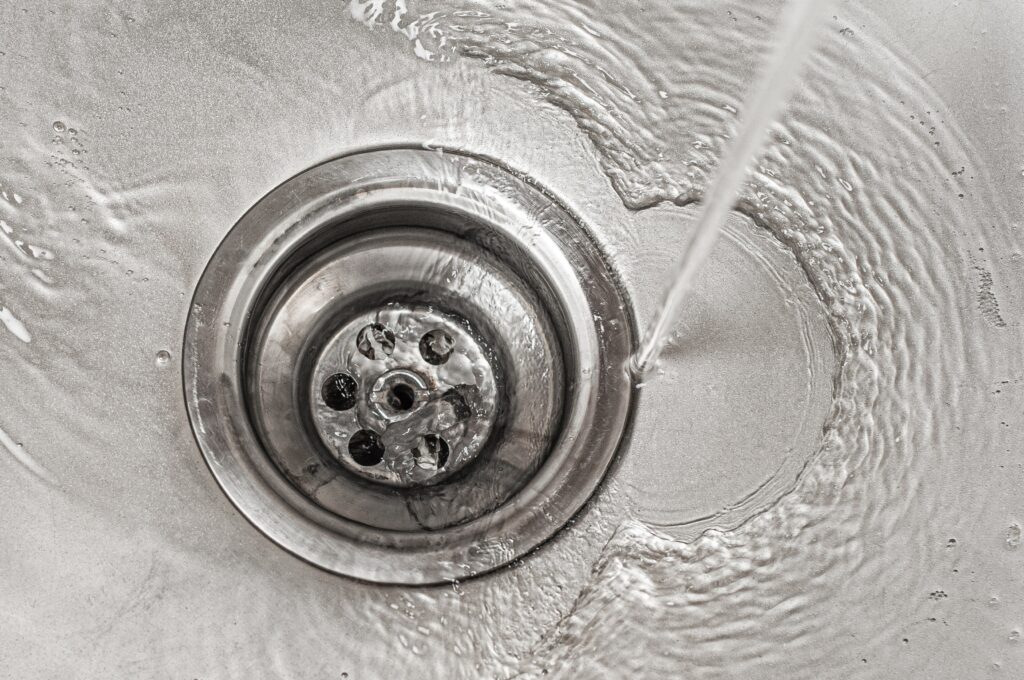
Your kitchen sink drain is more complex than it appears. When you rinse off dishes or wash your hands, the water runs through the sink basin, down the drain opening, and into the drain pipe beneath. Usually, this setup includes a trap—a U-shaped pipe designed to hold a small amount of water to prevent sewer gases from entering your kitchen. This assembly connects to the home’s larger drainage system, which sends wastewater out to the municipal sewer or septic system.
Grease, food particles, and soap scum often accumulate inside your pipes, forming partial clogs over time. Without active maintenance, these can escalate into full blockages. When this happens, water drains slowly—or not at all. More severely, imbalanced pressure in the system may lead to backups in your plumbing. Regularly cleaning your kitchen sink drain provides a line of defense against this buildup, keeping water flowing cleanly and efficiently.
Key Advantages of Keeping Your Drain Clean
The more consistently you maintain your kitchen sink drain, the better it performs. First, there’s the obvious benefit—preventing clogs. When you clean your drain regularly, you reduce the chance of reaching that frustrating moment when the sink is full of water and nothing’s moving. This in turn protects your home’s plumbing system from unnecessary strain.
Another benefit is improved hygiene. Food waste, even in small amounts, contributes to bacterial growth. A dirty drain can quickly become a breeding ground for germs and an attractor of drain flies. Odors? Absolutely. That musty scent rising from the sink? It’s usually caused by decomposing food stuck to the inside of your pipes. Keeping the drain clean reduces all of that—all while extending the life of your kitchen plumbing components.
Common Causes of a Dirty Drain
Kitchen sink drains work hard. Every rinse, wash, or soak sends foreign materials down the pipes. Grease is one of the most common culprits—it congeals as it cools, sticking to the sides of the pipes. As more food particles stick to that film, blockages form. Even vegetable peels or coffee grounds, which may feel harmless, don’t dissolve and tend to cling together inside the drain trap.
Soap scum contributes more silently, forming a sticky buildup over time. Hard water deposits can also narrow your pipes from the inside, further trapping debris. If your home has older pipes, the interior may be corroded or rough, increasing the likelihood that debris will catch and accumulate. The same goes for poorly sloped pipes, which don’t allow a smooth flow of water and create natural points of stagnation where material settles.
Simple Methods to Clean Your Kitchen Sink Drain
Cleaning your drain doesn’t require a plumber—or expensive tools. Hot water flushes are a great start. Every few days, pour boiling water down the drain to break down recent grease and soap buildup. If you’re dealing with odors or suspect minor clogs forming, create a mixture of baking soda and vinegar. Pour half a cup of baking soda into the drain, followed by a cup of vinegar. Let it sit for fifteen minutes, then rinse it with hot water.
For more stubborn buildup, a manual approach may be necessary. Remove and clean the stopper, then use a drain snake or flexible cleaning brush to gently pull out trapped debris. If the clog is deeper in the pipe, you may need to detach the P-trap. This task is relatively simple, requiring a bucket and adjustable wrench—though it does get messy. If you’re uncomfortable doing it, a plumber can assist. After reassembling the trap, run warm water for a few minutes to verify full drainage.
Professional Drain Cleaning and Home Warranties
While DIY drain cleaning is typically enough for routine maintenance, professional cleaning may be necessary in complex situations. Licensed plumbers use hydro-jetting or motorized snakes to clear deeply embedded clogs. Although this may not be required often, it can be crucial in households with heavy kitchen use or homes with outdated plumbing systems.
From a home warranty perspective, most policies, including those from providers like Armadillo, exclude coverage for clogs caused by owner negligence or poor maintenance habits. If a drain clog occurs because grease or foreign objects weren’t disposed of properly, it might not be covered. However, when systems fail due to normal wear and tear, a good home warranty plan can offer repair or replacement services. Preventative maintenance, including drain cleaning, ensures that you stay compliant with your warranty terms, protecting you from future out-of-pocket expenses.
Signs You Need Immediate Drain Maintenance
There’s a difference between routine cleaning and emergency intervention. Persistent slow drainage is a key warning. If water pools for more than a few seconds, it’s time to inspect more closely. Foul odors are also a red flag—especially if regular cleaning doesn’t fix it. Gurgling sounds as water drains can indicate a venting issue or a partial blockage that needs prompt attention.
If you notice water backing up into other parts of the home—such as the dishwasher or adjacent sinks—act quickly. These indicate deeper plumbing issues, possibly within the main stack or sewer line. Waiting too long in these scenarios can escalate from minor inconvenience to costly plumbing work or water damage repairs.
Protecting Your Plumbing with a Home Warranty from Armadillo
Maintaining a clean kitchen sink drain is more than just a good habit—it’s a proactive approach to home care that also supports your home warranty coverage. Issues related to kitchen plumbing can be costly when they spiral out of control, and early maintenance minimizes risks, potential downtime, and stress. With a robust home warranty provider like Armadillo, you gain more than just financial protection—you get peace of mind. Their service plans are designed for modern homeowners who value convenience, transparency, and responsive service. To explore how Armadillo can help safeguard your kitchen systems and the rest of your home, visit armadillo.one. Ready to take the next step toward smarter home protection? Build your customized warranty plan right now at this link.