Understanding Your Water Heater: What Every Homeowner Should Know
The water heater is one of the most relied-upon systems in any home, quietly powering through every morning’s hot shower and every after-dinner dish cycle. Yet, many homeowners don’t think about it until something goes wrong—typically, in the form of cold water at the worst possible moment. Understanding how water heaters work, what options are available, and when to maintain or replace them can make all the difference in home comfort, efficiency, and cost savings. Additionally, if something does go wrong, having support through a home warranty can help avoid unexpected expenses or prolonged inconvenience. Let’s unpack what homeowners really need to know about their water heater system.
How Water Heaters Work: The Basics
At its core, a water heater is responsible for heating water and distributing it throughout your home for showers, taps, appliances, and other household needs. There are two main types of water heaters: traditional storage tank models and tankless (on-demand) systems. A tank water heater stores a set amount of heated water—usually between 40 to 80 gallons—in an insulated tank, keeping it hot and ready to use. In contrast, tankless systems heat water only as it’s needed, with high-powered burners or heating elements warming water as it flows through the unit. Each has its pros and drawbacks, but both serve the purpose of providing consistent hot water when demand arises. Understanding these mechanics is the first step to making smarter decisions about maintenance, upgrades, or warranty support.
Advantages of Tank Water Heaters: Time-Tested Simplicity
Storage tank water heaters have been the standard in homes for decades, largely because of their straightforward design and time-tested reliability. They typically cost less upfront than tankless systems and are easier to install or replace. Because they automatically maintain a supply of hot water, they are ideal for households with predictable water usage patterns. Homeowners often appreciate the simplicity: there are fewer variables to manage, making maintenance relatively straightforward. However, they also take up more space and can be less energy efficient, as they continually heat the water in the tank whether it’s being used or not. This continual cycle can lead to energy waste, especially in homes with irregular or low hot water usage.
Tankless Water Heaters: Efficiency and Space-Savings
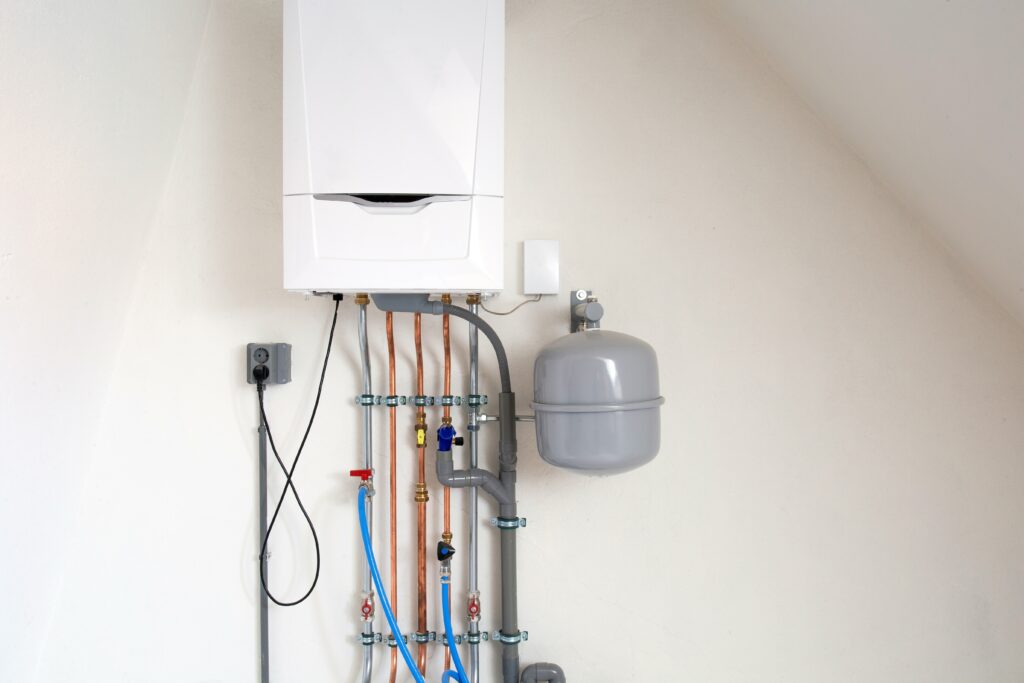
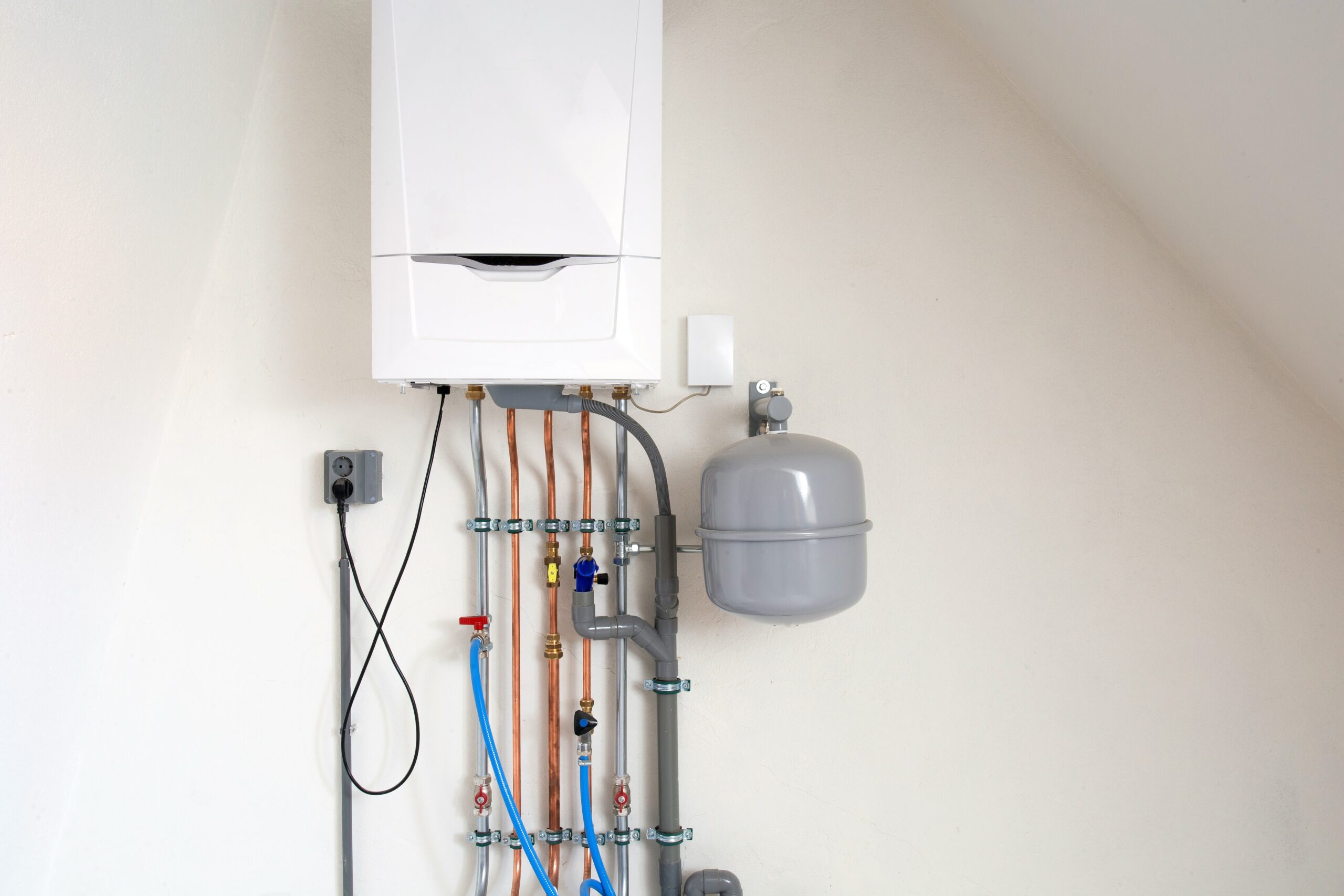
Tankless water heaters, while typically more expensive upfront, offer considerable benefits in the long term. Because they only heat water as it’s needed, these systems are significantly more energy efficient and can lead to lower utility bills over time. Their compact size allows them to fit into tighter spaces, freeing up valuable storage areas in your home. They also have a longer lifespan on average—around 20 years compared to the 10 to 15 years typical of storage tank models. That said, homeowners should be aware that tankless systems can be more complex to install, especially if your existing plumbing isn’t configured for on-demand heating. Professional installation and periodic descaling are crucial for ensuring these systems continue to perform optimally.
Common Problems and What They Might Mean
Understanding the warning signs of water heater failure can help you address small problems before they escalate into major inconveniences, or worse—serious water damage. Some common signs include inconsistent hot water, strange noises (like popping or rumbling), a rusty color in water from hot tap lines, or water pooling around the base of the unit. In storage tank heaters, sediment buildup is a leading cause of these issues and can reduce efficiency or cause premature wear on the unit. For tankless systems, scale buildup can restrict flow and diminish heating power. Any of these symptoms should prompt a check by a licensed technician or a call to a warranty provider. A home warranty that covers your water heater can significantly reduce repair costs and restore service quickly, especially when unexpected breakdowns occur.
Maintenance Tips to Extend Water Heater Lifespan
Routine maintenance significantly extends the lifespan and efficiency of your water heater, no matter the type. For tank models, flushing the system at least once a year helps eliminate sediment that collects on the bottom of the tank, improving heat transfer and energy efficiency. It’s also important to check the anode rod inside the tank, which naturally deteriorates over time to prevent rust in the tank. Replacing this rod every few years can dramatically slow down internal corrosion. For tankless systems, descaling treatment is equally critical, especially in areas with hard water. This helps prevent minerals from clogging the heating elements and maintaining full water flow capacity. Regularly inspecting for leaks, corrosion, or strange noises can also catch issues early. Detailed maintenance records can make filing a claim under a home warranty much simpler and faster.
When Replacement Makes More Sense Than Repair
At some point, continuous repairs no longer make financial sense. If your water heater is nearing the end of its expected lifespan—around 10 to 15 years for tanks, and 20 for tankless models—it might be time to consider full replacement over patchwork fixes. Pay attention to rising energy bills, increasingly frequent outages, or inconsistent heating performance. A new, energy-efficient model can offer significant savings in the long run, especially when paired with modern thermostats or recirculating systems. Homeowners thinking about selling soon might also consider that a new water heater, especially a tankless one, can offer added appeal for buyers looking for efficiency and reliability. If your home warranty includes water heater replacement coverage, check the coverage limits and service terms beforehand so you know what to expect during that transition process.
Protecting Your Investment with a Home Warranty
Whether your water heater is traditional or tankless, new or approaching replacement, a home warranty can serve as a critical safety net when things go wrong. Coverage for water heaters under a comprehensive home warranty plan often includes repairs for mechanical failures, replacement when necessary, and built-in access to qualified contractors—removing the guesswork and financial strain when problems arise. With Armadillo, you’re not left scrambling the next time your shower runs cold unexpectedly. Our comprehensive plans are designed to cover major home systems and appliances, including water heaters, with clear terms and easy-to-make claims. To explore your coverage options and protect one of your home’s most essential systems, visit our homepage at www.armadillo.one or get started with a custom plan tailored to your needs at our plan builder. Smart homeowners don’t wait for problems—they prepare for them. Let Armadillo help you stay ready.