Understanding the Electric Range: What Homeowners Need to Know
At the heart of many family kitchens sits a humble hero—the electric range. It’s not flashy, doesn’t call much attention to itself, and yet, day after day, it bears the heat of breakfast, lunch, dinner, and the occasional midnight snack. For homeowners, especially those in the process of buying, renovating, or maintaining a property, understanding this appliance is essential. More than just a feature of the kitchen, the electric range is a core utility with functionalities, pros, cons, and upkeep requirements that can have real implications not just for daily life, but for long-term home value and maintenance costs.
What Is an Electric Range and How Does It Work?
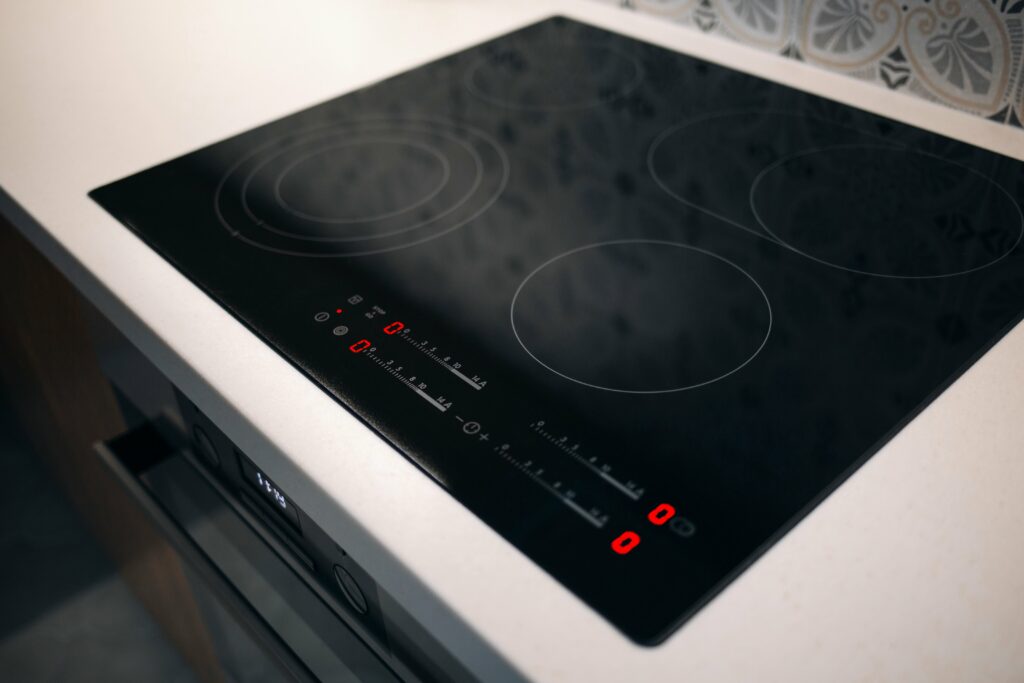
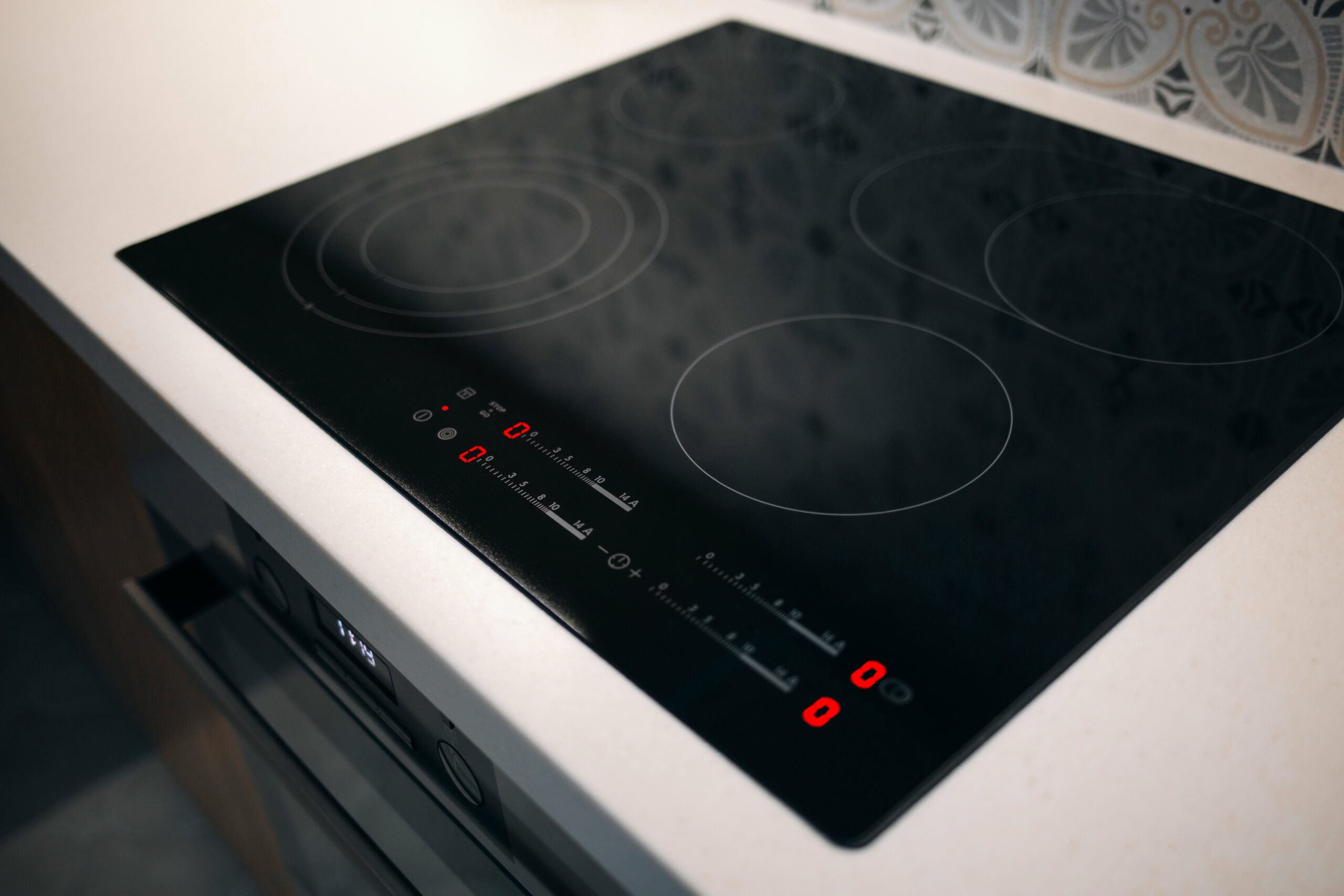
An electric range is a combination of an electric cooktop and an oven. The cooktop typically includes coil burners or smooth-top radiant elements, while the oven is heated through electric elements situated in the top and bottom sections. Unlike gas ranges, electric models rely purely on electrical resistance to generate heat, heating up components that in turn cook food through direct contact or radiant energy. Operation is straightforward: adjust the knob, and the current increases or decreases accordingly. Some newer models integrate digital touch controls for more precise temperature regulation. In short, while invisible wires do all the heavy lifting, the result is simple: consistent, clean, evenly distributed heat.
Key Advantages of Electric Ranges
There’s good reason why households across the country rely on electric ranges. For one, they’re generally easier to install than gas alternatives as they don’t require a natural gas line—just a dedicated 240-volt outlet. That makes them more accessible across a broader market. They’re often considered safer as well; there’s no open flame, reducing the potential for accidental fires. Also, with newer technologies like convection baking and precision surface temperature control, homeowners enjoy highly efficient, predictable results. Flat, smooth-top models are also easier to clean. A quick swipe of a damp cloth clears away most messes, which—when you’re cooking multiple meals a day—can feel like a small miracle.
Common Drawbacks and Maintenance Concerns
Still, no appliance is perfect. Electric ranges have their share of limitations that any homeowner should be aware of before investing or making repair decisions. One of the most frequent complaints is slower responsiveness. Unlike gas burners that produce instant flame, electric cooktops need a moment to heat up or cool down, which can make fine-tuning temperature difficult. Additionally, power outages render the appliance non-operational. Glass-top models, while stylish and easy to clean, are prone to cracking under impact or extreme temperatures—a dropped pot can lead to a costly replacement. Coil burners, on the other hand, may suffer from uneven heating over time. Wear, mineral deposits, and residue buildup can also degrade performance, underscoring the importance of regular cleaning and eventual component replacement.
When Is It Time to Repair or Replace Your Range?
Knowing whether your electric range needs a simple repair, a replacement part, or full retirement can be tricky. Indicators like inconsistent temperature, a non-heating burner, strange odors, or flickering display panels can be the first signs of an underlying issue. Basic troubleshooting—ensuring it’s properly plugged in, checking your circuit breaker, or inspecting for visible damage—can rule out some of the simpler causes. If those don’t resolve the problem, it may be time to call in a service technician. But be cautious: repairs to modern ranges, especially those with digital components or ceramic glass elements, can quickly add up. When costs approach 50% of the price of a new unit, replacement is likely the more economical path. This is where a comprehensive home warranty can make all the difference in reducing out-of-pocket expenses.
Energy Efficiency and Compliance Standards
Modern electric ranges have come a long way in meeting energy efficiency benchmarks, although the appliance is not typically covered under ENERGY STAR certification due to varied usage patterns. Still, many units feature insulation and sensor technology that reduces unnecessary power consumption. Homeowners looking to lower monthly energy bills should opt for models with convection ovens, induction cooktops, or at the very least “hot surface” indicator lights for safety. Smart features such as app-based monitoring or auto shut-off settings not only improve safety but provide better control over energy usage. During appliance shopping or home inspections, it’s a good practice to check the model for compliance with current Department of Energy recommendations and warranty-eligible systems lists.
Choosing the Right Electric Range for Your Home
Like any major appliance purchase, choosing an electric range involves balancing budget, functionality, space, and style. Families keen on baking may prioritize an oven with adjustable racks and even temperature distribution. Households with budding young chefs might want safety locks and easy-to-clean surfaces. Installation considerations—counterspace, ventilation, and electrical wiring—also play a part. Matching the appliance not just to your lifestyle, but also to your home’s infrastructure and future resale value, is key. Do some quick math on budget for potential repairs versus lifespan benefits. Consider what warranties are active, transferable, or expired. Before finalizing a purchase, reviewing the manufacturer’s warranty terms and support documentation is strongly encouraged.
Why a Home Warranty with Armadillo Brings Peace of Mind
Whether you’ve owned your electric range for years or just moved into a home with a brand-new unit, unexpected breakdowns are always a possibility. Through no fault of your own, internal wiring can fail, sensors can malfunction, heating elements can degrade—or the control panel simply refuses to respond. That’s where a home warranty from Armadillo offers crucial cost savings and logistical support. Covering common repair and replacement issues for major kitchen appliances, home warranties help protect your finances and reduce hassle. With Armadillo, the process is streamlined, transparent, and focused on getting you back in your kitchen and back to living. Learn more about what’s covered at armadillo.one, or build your customized protection plan today by visiting our plan builder tool. Whether you’re cooking for one or for ten, you deserve confidence when you turn that range on.