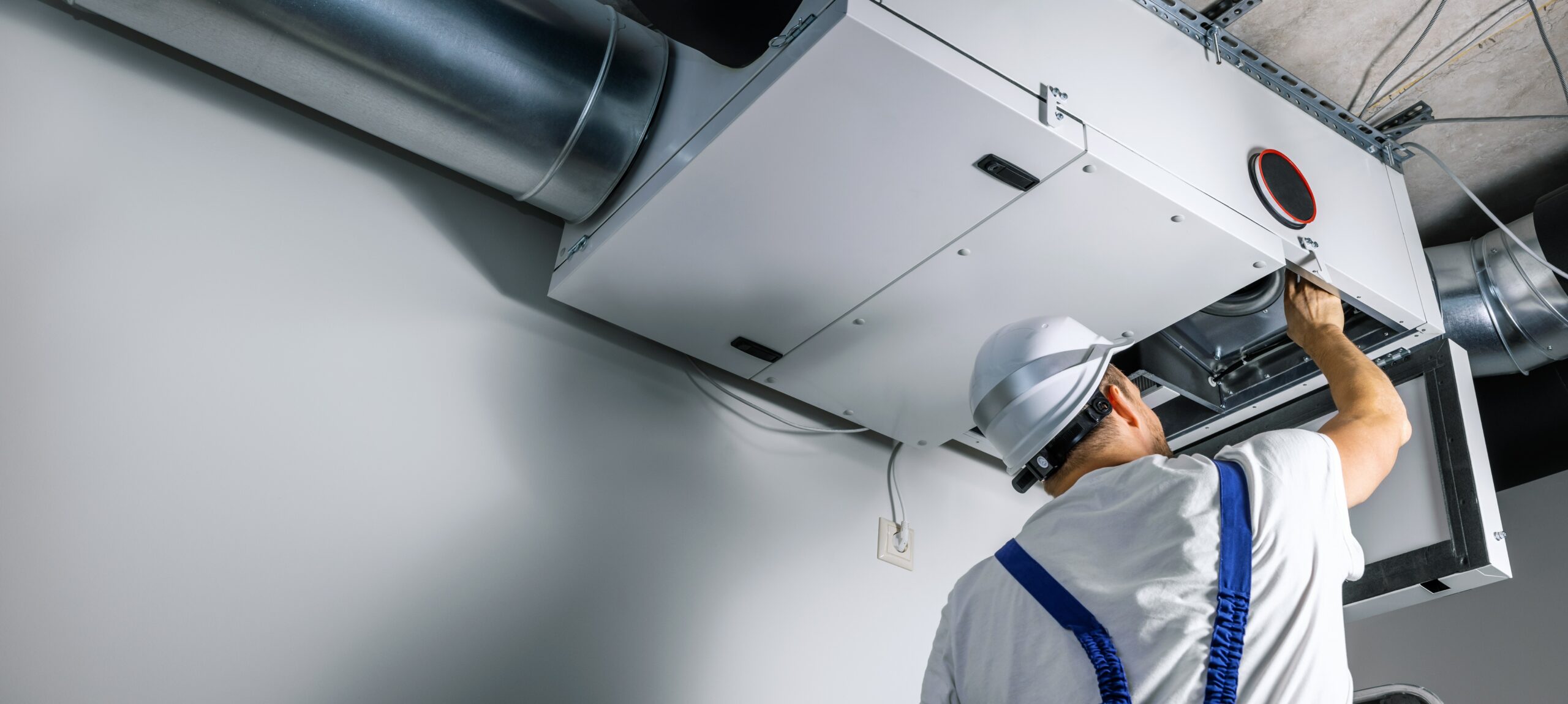
Understanding the HVAC System: What Every Homeowner Needs to Know
The HVAC system—an essential but often overlooked part of modern homes—is more than just a comfort feature. It’s the quiet backbone behind every cooled summer afternoon and every warm winter evening. For homeowners, understanding how this critical system operates, what its advantages are, and the possible issues it can face isn’t just helpful—it’s essential. As homes evolve in design and energy efficiency, so too should our understanding of the technology that keeps them livable. Whether you’re a first-time buyer, a seasoned homeowner, or somewhere in-between, getting to know your HVAC system could save you time, money, and unnecessary breakdowns.
What is an HVAC System and How Does It Work?
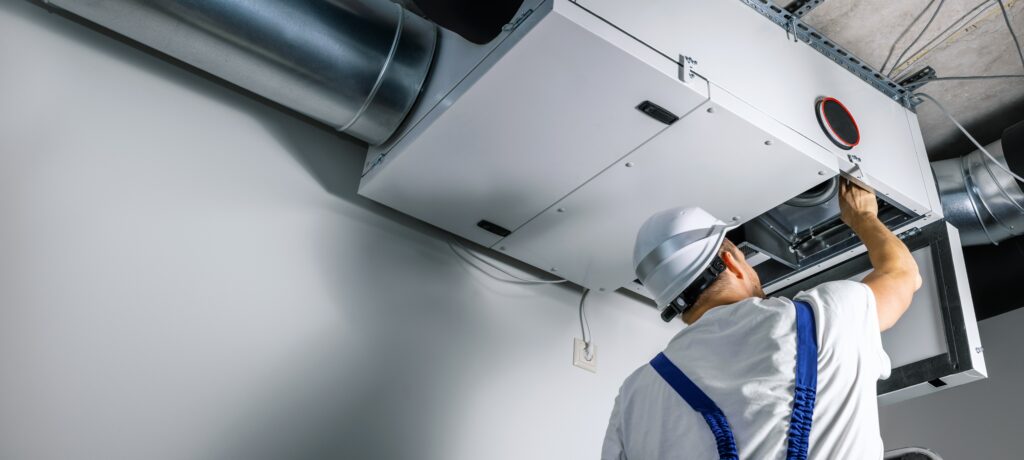
HVAC stands for Heating, Ventilation, and Air Conditioning. While you might interact with it simply by adjusting a thermostat, the system itself is a complex network of components all working together to regulate interior climate and air quality. Most modern systems include a furnace for heating, an air conditioner for cooling, ductwork for distribution, and a ventilation mechanism to promote airflow and filter contaminants. Some models integrate humidifiers or dehumidifiers to fine-tune indoor moisture levels. The thermostat, often now a smart device, acts as the control center, telling each part when to activate based on room temperature and programmed settings.
Why It Matters More Than You Think
A properly functioning HVAC system impacts more than just temperature. It plays a vital role in indoor air quality, which affects health, productivity, and even sleep quality. Poor air filtration can lead to higher concentrations of dust, allergens, and airborne bacteria, while inadequate humidity control invites mold and structural harm. Furthermore, energy-efficient HVAC units can reduce both your carbon footprint and your monthly utility expenses. As homebuilders increasingly incorporate sustainable design elements, the HVAC system continues to be a focal point in long-term environmental and financial planning.
The Key Benefits of a Well-Maintained HVAC System
Routine HVAC maintenance typically includes changing filters, inspecting ductwork, and scheduling annual inspections by licensed professionals. The benefits are substantial. For one, energy efficiency remains high, allowing the system to cool or heat your home using less power. This directly translates to cost savings. Additionally, a well-maintained system has a longer lifespan; with average HVAC lifespans hovering around 15 to 20 years, proactive care can prevent premature failures. There’s also an indirect benefit in maintaining the resale value of your home. A buyer is far more likely to commit when the HVAC system is in documented working order, with repair histories on file and warranty coverage intact.
Common HVAC Drawbacks and What to Watch For
Even the best systems have their limits. One common concern is uneven distribution—where rooms either feel too warm or too cool. This could indicate aging ductwork, blocked vents, or an inaccurately sized system. Older units also tend to be less energy efficient, particularly those installed more than fifteen years ago. Seasonal maintenance costs can add up, and if neglected, repair costs can escalate rapidly. Then there’s the issue of refrigerants. Many older systems use R-22 Freon, which is now phased out due to environmental regulations. Replacing such a unit can be expensive, but often necessary. As such, staying informed on what your system uses can help prevent future complications.
Decoding the Home Warranty Connection
The moment your HVAC system hiccups—especially during a weather extreme—can cause major stress. That’s when a home warranty becomes more than a safety net; it becomes peace of mind. A comprehensive home warranty plan covers your major systems, HVAC included, protecting you from the financial burden of surprise repairs or replacements. For example, if your blower motor fails or your compressor burns out mid-summer, a home warranty can help offset the substantial costs associated with system repair or replacement. Not all warranties are created equal, so it pays to understand your plan’s specifics: what’s covered, what’s not, and what type of maintenance is required to remain compliant with your warranty terms.
Tips for Extending Your HVAC System’s Life
There are several ways homeowners can actively extend the life of their HVAC system without needing mechanical expertise. The first and most obvious is to change air filters regularly—usually every 1 to 3 months depending on usage and air quality. Make sure your outdoor condenser unit is clear of debris, including leaves, dust, and overgrown vegetation. Keep vents unobstructed by furniture or rugs. Use smart thermostats to program temperatures based on occupancy, which reduces wear on the system while balancing efficiency. And perhaps most importantly, don’t skip your annual service checks. Partner with licensed professionals for seasonal tune-ups to identify and resolve issues long before they escalate into costly failures.
Why Armadillo Makes Protecting Your HVAC System Easy
Homeownership comes with enough surprises; your HVAC system shouldn’t be one of them. At Armadillo, we understand that your HVAC unit is vital to both comfort and safety. That’s why we offer home warranty plans specifically designed to cover major systems like heating and air conditioning—helping you stay protected from costly, inconvenient breakdowns. Our plans are transparent, easy to understand, and flexible to your needs. Whether you’re living in a new build or updating a decades-old classic, a home warranty from Armadillo offers the financial certainty and practical coverage every homeowner deserves. Explore how we can protect your HVAC system and more by visiting us at armadillo.one. Ready to customize your coverage? Start building your plan today at our plan builder tool.