Where Can You Put Tiny Houses? A Guide for Homeowners
Tiny houses continue to gain popularity across the country, offering homeowners a minimalist, affordable, and flexible housing option. Whether used as a full-time residence, backyard guest suite, or rental unit, tiny homes present a unique opportunity for people to rethink how they use their space—and their land. But there’s one question that keeps emerging: where, exactly, can you legally put a tiny house? For homeowners, understanding the zoning laws, utility requirements, and key infrastructure considerations is crucial. And if you’re considering a tiny home as an addition to your primary residence, you’ll want to understand how it interacts with your existing home systems and warranty protections. Let’s explore everything you need to know to make a confident decision.
Understanding Where Tiny Houses Are Allowed
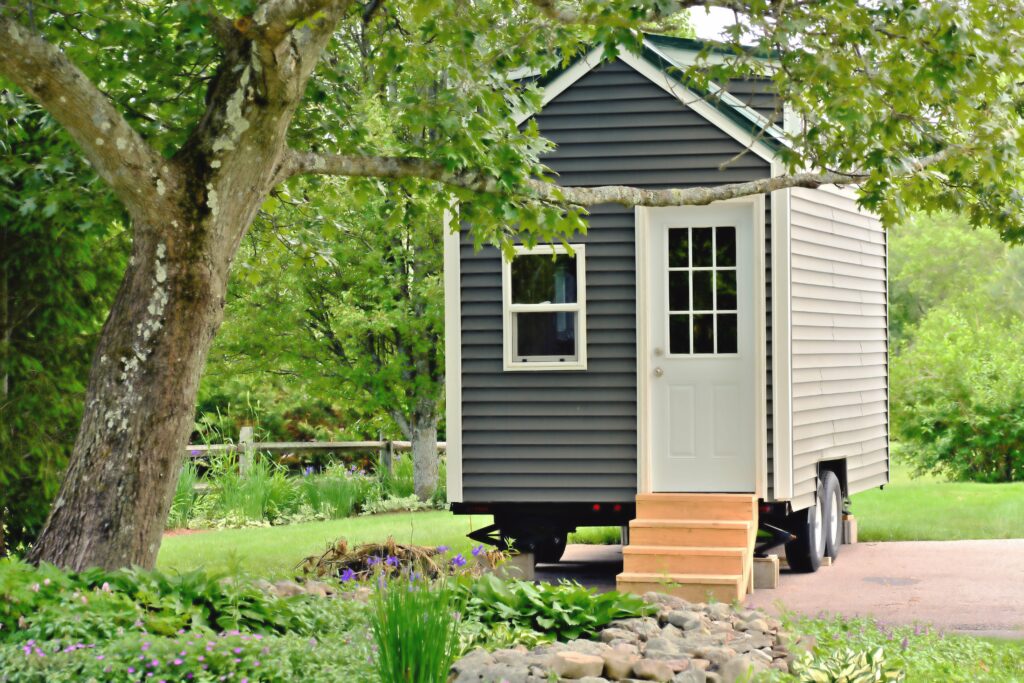
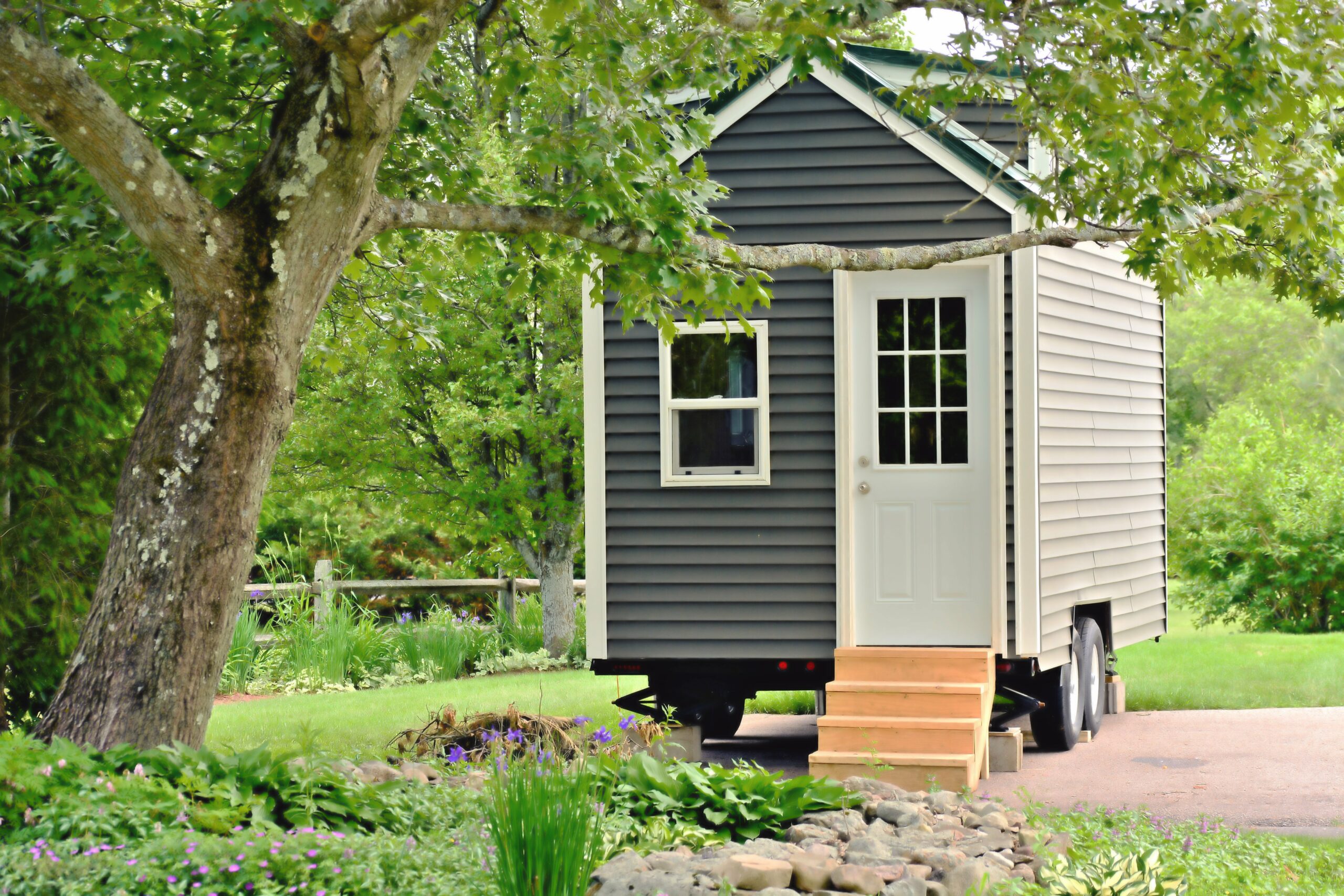
The most significant factor in placing a tiny house is local regulation. Zoning ordinances, land use codes, and building permits all vary not just by state, but by municipality. Some cities support the movement, welcoming accessory dwelling units (ADUs) and tiny house communities. Others strictly limit or prohibit them. If you’re placing a tiny house in your backyard, your property must be zoned to allow for a second dwelling, often labeled an ADU. This requires navigating height restrictions, setbacks, minimum square footage, and other permit stipulations. For tiny homes on wheels, classified as RVs in many areas, the placement becomes even more complex. These are often not permitted as permanent residences without setting them on a foundation. Always begin with a call to your local zoning or planning department; they’ll provide the clearest direction.
How Tiny Houses Connect to Home Systems and Utilities
If you plan to install a tiny house on land you already own—particularly adjacent to your primary home—you’ll need to think practically about how it connects to utilities. Water, electricity, and sewer access are essential. For homeowners, it’s common to consider extending existing utilities from the principal residence. This setup is efficient when managed by professionals and often more cost-effective than installing standalone services. However, adding new appliances, systems, or load demands can impact your warranty or maintenance plan. For example, if the tiny home’s plumbing ties into your home’s system, any blockage or failure could blur the line between accidental and avoidable damage. Keep detailed records and consult your home warranty provider, as coverage for additions or new systems may require an update to your plan. Failing to do so might result in uncovered repairs down the line.
Key Advantages of Adding a Tiny Home to Your Property
Adding a tiny house to your property offers a range of tangible benefits. Most notably, it’s an efficient way to expand your living space without committing to major construction. Whether it serves as a home office, space for aging parents, or a rental unit, the flexibility is significant. From a financial standpoint, it can increase your property value and generate passive income if rented. Environmentally, tiny houses are more energy-efficient and have a smaller carbon footprint. Maintenance tends to be simpler as well, especially if using compact, energy-efficient systems and appliances. If covered under a home warranty, those systems and appliances can be protected just like those inside your main home. Additionally, installing a tiny home on land you already own might be more economical than buying or building a separate residence elsewhere. The return on investment can be significant when everything is done legally and efficiently.
Common Drawbacks and Regulatory Challenges
While the appeal of tiny houses is strong, there are challenges homeowners must consider. Regulatory roadblocks are the most common—and potentially costly—issues. Zoning hurdles, permit fees, and the need to bring land up to code for multiple dwellings add time and complexity. In some regions, tiny houses are prohibited outright in residential-zoned areas, and negotiating rezoning is often a nonstarter for individual property owners. From a systems standpoint, improper installation or connection can lead to long-term problems. Overloaded electrical panels, improperly sloped sewer lines, or makeshift HVAC setups not only cause inefficiencies but can also void warranties or conflict with local building codes. Then there’s the insurance and warranty gap; most standard homeowner policies and warranty plans do not automatically cover ADUs. It’s critical to update your coverage accordingly to protect all systems and appliances in both your main residence and your tiny house.
Considerations for Warranty and Maintenance Plans
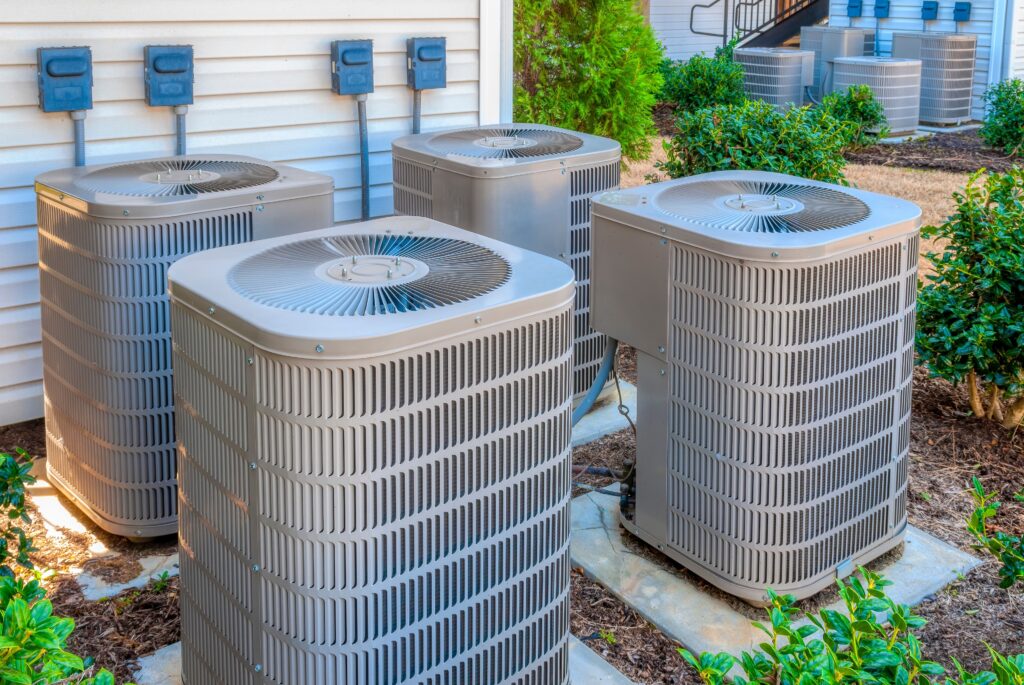
When introducing a tiny home onto your property, especially one tied to your home’s utilities, you’ll need to think strategically about how it affects your home warranty. Most providers don’t automatically include new additions—they require notification and, often, an updated or expanded service plan. For example, if your tiny house includes its own mini-split HVAC system, a home warranty can cover it, but only if it’s added to your plan. Similarly, if the property features shared infrastructure—like a common sewer lateral or water heater—you need clearly defined terms in the event of a future claim. Maintenance is just as critical. Neglected systems, irregular upkeep, or DIY installations that don’t meet code can disqualify otherwise eligible repairs. Professional installation and documentation are your best defenses when expanding your coverage to include a tiny house.
Alternative Locations for Tiny Homes Beyond the Backyard
If zoning restrictions prevent placing a tiny house on your existing lot, all is not lost. Consider placing the home in one of several alternative legal paths. Some rural counties have fewer restrictions, allowing tiny homes freely under agricultural or mixed-use zoning variances. Tiny home communities, established in several states, are another option designed for small-footprint living. These communities often feature full hookups, shared amenities, and a supportive legal standing. Leasing land in RV parks or manufactured home developments is another legal path, though it typically applies only to tiny homes on wheels. No matter where you place it, readiness and due diligence determine success. In any of these locations, ensure warranty coverage exists or can be reasonably extended to protect your system investments.
Why Protecting Your Home—Tiny or Not—Starts with Armadillo
Investing in a tiny house is more than a lifestyle shift—it’s a systems-level change to how your home functions. Whether you’re extending utility lines, integrating new appliances, or managing a mix of old and new infrastructure, the right protection keeps your whole property secure. That’s where Armadillo steps in. With comprehensive home warranty plans that adapt as your home configuration evolves, we’re built to handle flexible living spaces. Armadillo offers coverage that includes appliances, major systems, and smart add-ons—ideal for properties with tiny houses or ADUs. Our approach is simple, intelligent, and transparent, so you can keep your focus where it belongs: enjoying your space. Ready to protect both your main home and its tiny counterpart? Learn more about our home protection plans at Armadillo or start building your coverage today using our plan builder tool. Safeguard every square foot, no matter how small.