The Underground Guide to Burying Dog Fence Wire: What Homeowners Need to Know
Creating a safe and defined space for a family pet is often high on the priority list for homeowners. An underground dog fence can be a reliable solution, offering a boundary without the visual intrusion of a traditional fence. While it seems simple on the surface, the system behind a buried dog fence wire presents an intricate combination of home improvement planning, electrical functionality, and responsible pet ownership. That’s why understanding the ins and outs of this system—from installation to upkeep—can save homeowners time, money, and stress. Let’s dig into how these systems work, their benefits and drawbacks, and what role home warranties can realistically play in supporting their longevity and performance.
What is a Buried Dog Fence and How Does It Work?
A buried dog fence, also known as an invisible fence, uses a boundary wire installed underground to mark the perimeter of a property. This wire emits a radio signal that communicates with a receiver collar worn by the dog. When the dog approaches the boundary, the collar emits a warning sound. If the dog continues further, a static correction—a mild sensation—is delivered to discourage crossing the line.
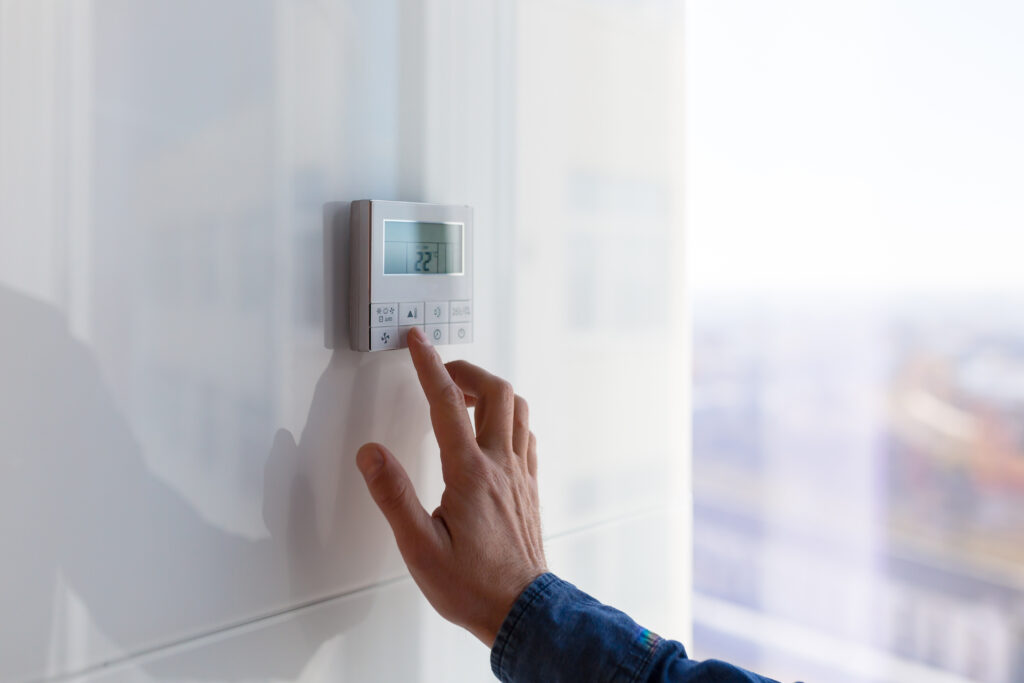
The central hub of the entire system is the transmitter, typically installed indoors near an electrical outlet. The transmitter sends a continuous signal through the buried wire, which loops the desired containment area. The wire must remain intact and continuously energized, which is why proper installation and occasional maintenance are crucial for reliability. Some installations may also be linked with training methodologies to help pets understand their boundaries through positive reinforcement and conditioning.
Advantages of Choosing a Buried Dog Fence
There are numerous reasons why homeowners consider installing a buried dog fence rather than putting up a physical fence. The first is aesthetics. A buried system preserves the visual openness of a yard while still delivering functional boundaries. This makes it ideal for homeowners who live in neighborhoods with strict Homeowners Association (HOA) guidelines or those who simply prefer uncluttered outdoor spacing.
Cost is another appeal. While physical fencing materials and installation can add up quickly, especially for large properties, a buried dog fence typically presents a lower upfront cost. Additionally, customization is a plus—unlike above-ground fences, which are constrained by terrain and structure, buried systems can wind around gardens, trees, slopes, and even irregularly shaped lots.
Finally, buried dog fences are adaptable for multi-pet households. Most systems can support multiple collars and allow for different sensitivity settings on each, catering to individual behavior and breed-specific traits.
Key Challenges and Limitations to Consider
Despite their advantages, underground systems aren’t entirely low maintenance. A common issue that arises is wire breakage. This can happen due to tree root growth, frost heave, digging animals, or accidental landscaping damage. Even minor disruptions in the wire can cause the entire system to fail, necessitating troubleshooting or reinstallation of sections of wire.
It’s also important to recognize behavioral limitations. Not all dogs respond consistently to static correction, and more determined breeds might ignore the stimulus altogether. Conversely, timid dogs might become overly cautious or anxious. Training remains one of the most important and ongoing aspects of dog fence use—no system replaces supervision and behavioral guidance from the homeowner.
Weather exposure and electrical dependency make performance linked to conditions. Power outages, lightning strikes, or electrical surges can compromise the transmitter or lead to wire damage. While not frequent, these events are the types that often prompt homeowners to question whether their system is covered by a home warranty—an important aspect we’ll cover a bit later.
Installation Insights: DIY vs. Professional
Homeowners weighing the option of going the DIY route versus hiring a professional should consider time, terrain, and technical capability. DIY kits usually come with wire, training flags, a transmitter, and collars. The process typically involves mapping the boundary, digging a narrow trench (often a few inches deep), placing the wire, and sealing the trench. While manageable for small yards or straightforward layouts, it can quickly escalate in complexity for larger or intricately designed landscapes.
Professionals bring the advantage of specialized tools, better-grade wiring, and installation tests to ensure signal continuity. They also tend to offer warranty services for their work, covering labor in case of early system failure. Either route can lead to a successfully operating buried fence, but a poor initial install will eventually double the work when a section fails. That’s something time-crunched homeowners should factor in early.
Maintenance and Troubleshooting Tips
Post-installation, your primary focus shifts to monitoring signal integrity and collar performance. This includes periodic system tests—most transmitters feature test modes that allow owners to verify signal range and collar responsiveness. If a collar stops responding or emits a continuous beep, it may signal a wire break or battery issue. Some higher-end systems will text alerts or have diagnostic lights that provide troubleshooting guidance.
Maintaining a detailed yard map of the installed boundary can make break detection far faster. Wire locators and signal tracers can assist in pinpointing problem areas. Batteries should be checked monthly or replaced per manufacturer recommendations. Checking collar fit (snug but not tight) regularly helps ensure corrective measures are applied as intended without causing discomfort. The focus should remain on the overall experience being humane, consistent, and low stress.
Are Buried Dog Fence Systems Covered by a Home Warranty?
This is often a grey area in standard warranty agreements. Most basic home warranty plans cover systems critical to household operations—electrical, plumbing, HVAC, appliances, and so on. However, invisible dog fences don’t typically fall under these agreements unless they’re part of a specific upgrade category or are considered integrated hardwired systems by the warranty provider.
What matters most is whether the issue is caused by electrical failure (which some warranties may cover) or external damage (which likely isn’t). It’s advisable to review specific inclusion and exclusion terminology in your policy or consult with your provider. Some forward-thinking providers are offering modular add-ons for smart home tech or outdoor features, which may encompass buried pet containment systems in the future. Until then, remember that damage due to events like power surge or lightning often falls under homeowners insurance rather than your warranty contract.
Protecting Your Home Systems – Including What’s Underground
As a homeowner, you want systems that work—quietly, dependably, and predictably. A buried dog fence should be just that. While not a traditional fixture like a heating or plumbing system, it’s integral to how your home supports your lifestyle. At Armadillo, we help homeowners safeguard the core elements of home performance. We provide transparent, modern home warranty plans designed to match real-life issues with reliable solutions. Our plans are simple to customize to your needs, whether you’re covering HVAC or tackling whole-system protection strategies. Explore how we can help you protect your home—above and below ground—at armadillo.one. Ready to build your personalized plan? Start with your ZIP code here: Start Your Plan.