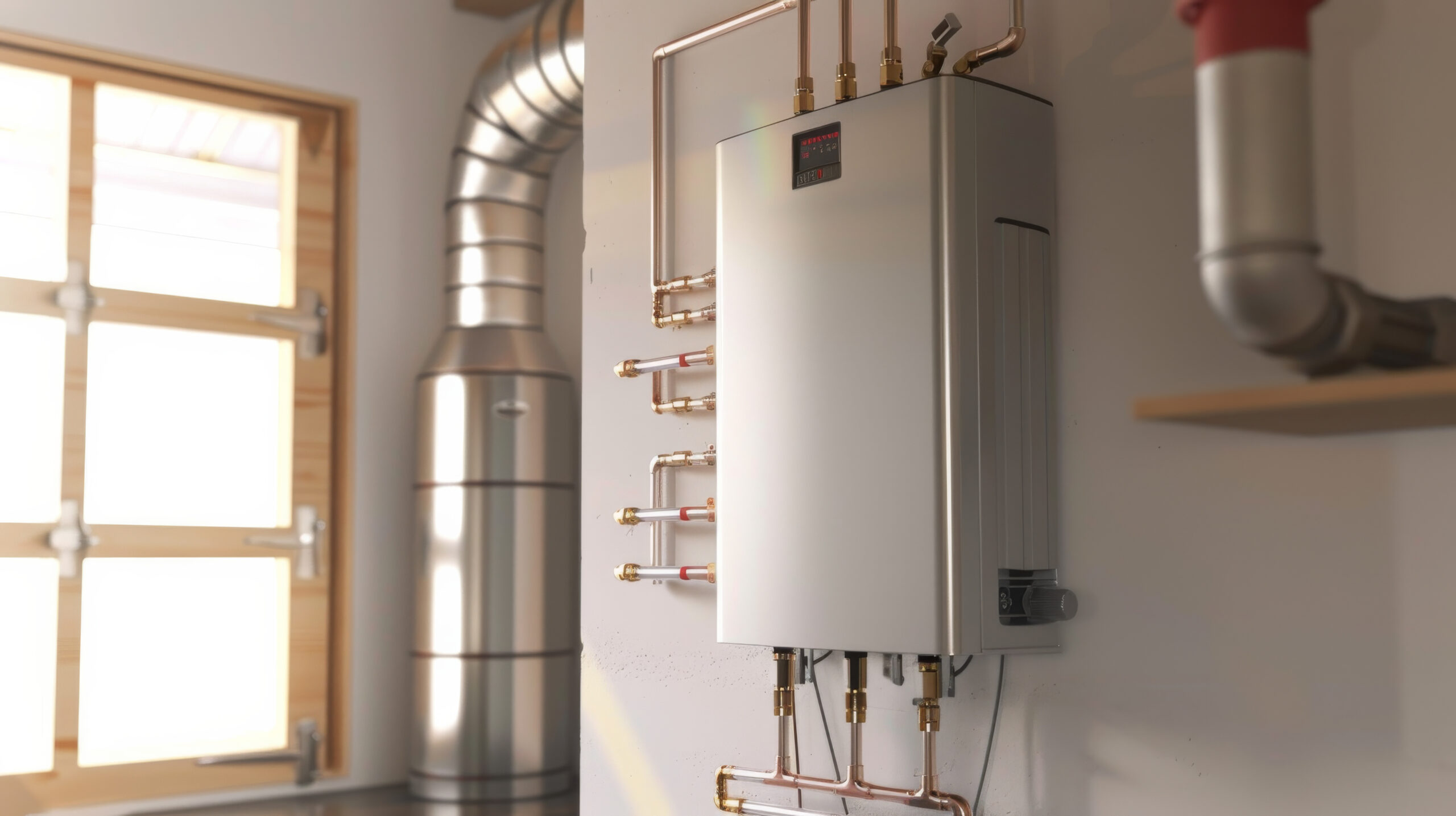
The Homeowner’s Guide to Tankless Water Heaters: How They Work and What to Consider
For many homeowners, hot water is one of those things that’s simply expected to be there—until it’s not. Whether it’s a cold shower on a winter morning or waiting minutes for water to heat up, the limitations of traditional water heaters are difficult to ignore. In recent years, tankless water heaters have surged in popularity as an efficient alternative. If you’re considering upgrading this essential home system or planning a renovation, understanding tankless water heaters is a smart move. This guide breaks down everything you need to know, from how they function to the key benefits and the practical trade-offs that come with the switch.
What Is a Tankless Water Heater and How Does It Function?
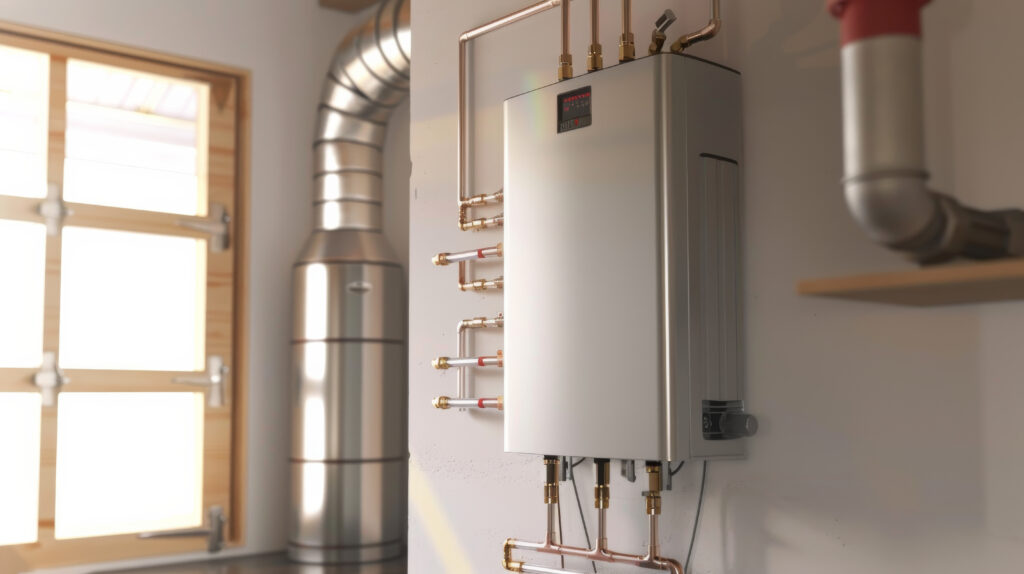
Tankless water heaters—also known as on-demand water heaters—function without the need for a storage tank. That means they heat water only when it is needed, rather than keeping a large volume of water hot at all times. When you turn on a hot water tap, cold water travels directly through the unit’s heat exchanger, where either a gas burner or electric element rapidly brings the water to the desired temperature. The heated water is then delivered straight to your faucet, showerhead, or appliance—without waiting for a tank to fill.
This system contrasts sharply with conventional storage water heaters, which can take up significant space and store 30 to 80 gallons of pre-heated water at all times. Once depleted, these tanks require recovery time before hot water is available again. Tankless units eliminate that delay, enabling virtually endless hot water supply—as long as the flow demand remains within the unit’s capacity.
Advantages of Tankless Water Heaters
One of the most appealing advantages of a tankless system is its energy efficiency. Because these units only activate when hot water is required, they consume less energy over time than conventional tanks, which cycle on and off to maintain stored water temperature. Homeowners may see reductions in utility costs depending on usage patterns, and ENERGY STAR-certified units often deliver some of the highest savings.
Another benefit is the space-saving design. Tankless systems are considerably more compact and can be installed in smaller utility closets, outdoor walls, or other discreet locations. Their long-term durability also stands out: while traditional heaters often need replacement around the 10- to 15-year mark, tankless models can last over 20 years with proper maintenance.
Finally, consistent temperature output during back-to-back showers or dishwashing cycles is a major perk. With the right sizing and installation, these systems deliver reliable performance for households with multiple users—not having to juggle shower schedules becomes a real quality-of-life improvement.
Key Drawbacks to Keep in Mind
No system is without limitations. Tankless water heaters do require a more significant initial investment compared to standard models. While they pay back over time in energy savings and longevity, the upfront cost—combining the unit itself with professional installation—can be a hurdle for some homeowners.
Another concern is flow rate capacity. A single undersized unit may struggle to meet simultaneous demand from multiple fixtures. For larger households, a higher-capacity system or multiple units installed in parallel might be necessary. That adds to both the complexity and the cost.
Additionally, tankless systems may take a few seconds longer to deliver hot water compared to storage tanks, particularly if the unit is located far from the fixture. While not a dealbreaker, it’s important to align expectations. And for homes with older or undersized gas lines or electric service, some retrofitting may be required—an extra layer of complexity that not all installations will involve.
Choosing Between Gas and Electric Models
When selecting a tankless water heater, one of the first decisions is fuel type. Electric models tend to have lower upfront costs and are easier to install, especially in all-electric homes. They are compact and efficient, but may struggle with whole-house use in colder climates or high-demand environments due to lower flow capacities.
Gas-powered models are typically more powerful and better suited for larger families or homes with high simultaneous usage. They also tend to have higher energy factors in colder regions because gas heats water faster. However, gas installation can be more involved—especially if venting or gas line upgrades are needed. Be sure to compare the energy cost savings against the installation scope to see where you’ll gain the most long-term value.
Practical Tips Before Installing
Start with a load calculation to determine the actual demand in your household. Count showers, sinks, appliances—any source that requires hot water. Look at the flow rate specifications (gallons per minute, or GPM) and temperature rise requirements for your region. Without matching capacity to demand, your tankless heater could underperform when it matters most.
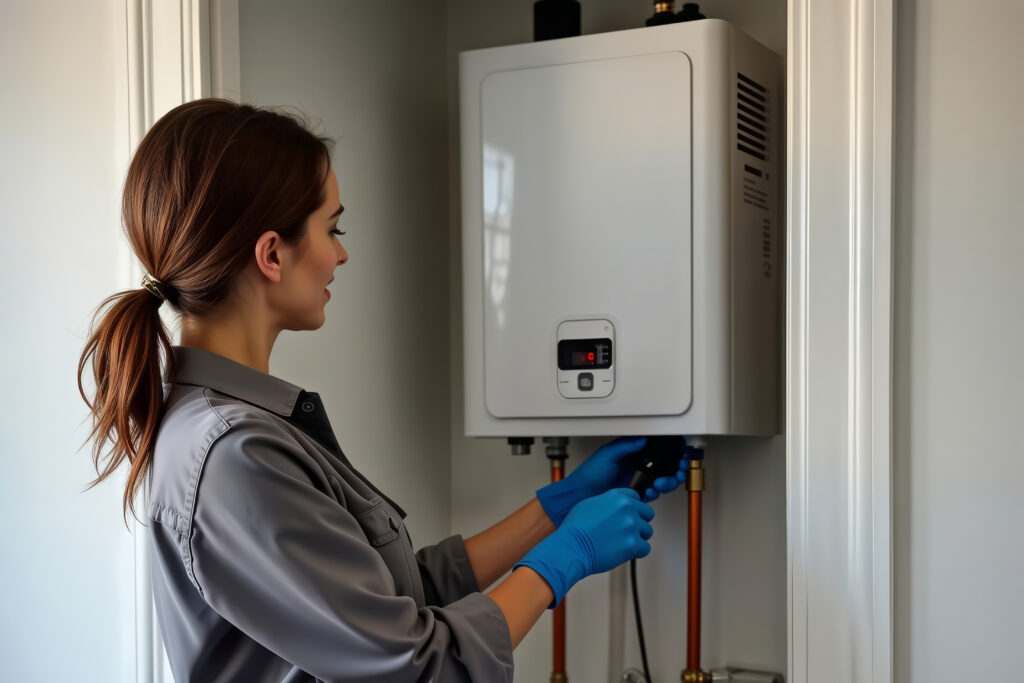
Also consider location. Indoor units require ventilation, while outdoor units need weatherproofing and freeze protection if exposed to elements. The installation should be handled by a licensed professional familiar with local plumbing codes and fuel-specific requirements. Skipping this step risks not only improper function but could void the manufacturer’s warranty.
Finally, maintenance is simpler than you might expect, but not zero-effort. Descaling the heat exchanger to remove mineral buildup, especially in hard-water regions, is key to extending longevity. Some models come with indicators or built-in reminder systems to help keep you on schedule.
When Does a Tankless Heater Make the Most Sense?
Tankless water heaters provide the greatest benefit in households prioritizing energy efficiency, hot water availability, or limited space. Renovations, new construction, or replacing an outdated system create prime opportunities. For smaller families or couples, the savings may be moderate—but for households with fluctuating occupancy or demanding water usage, tankless systems help eliminate supply bottlenecks.
That said, a tankless system isn’t automatically better for everyone. If your lifestyle patterns are predictable, your current system is functional, or installation would require costly modifications, the ROI may not justify an immediate switch. Evaluate your priorities across cost, performance, and convenience before deciding. It’s not just about novelty—it’s about smart integration into the way your home functions day to day.
Why a Home Warranty with Armadillo Is the Smart Choice for Tankless Systems
Investing in a tankless water heater boosts comfort and efficiency—but maintenance and potential repairs shouldn’t derail your savings or schedule. That’s where Armadillo enters the picture. With a modern, tech-forward approach to home warranty coverage, Armadillo helps protect your systems and appliances, including tankless water heaters, against the unexpected. Whether it’s a malfunctioning heating element or an issue with flow sensors, Armadillo offers coverage designed for today’s homes and lifestyles—through plans that are easy to configure and even easier to manage. Visit https://www.armadillo.one to learn more, or begin building your custom plan now at https://app.armadillo.one/plan-builder?current=zip. Protect your investment, simplify home ownership, and get back to focusing on what matters most—warm showers included.