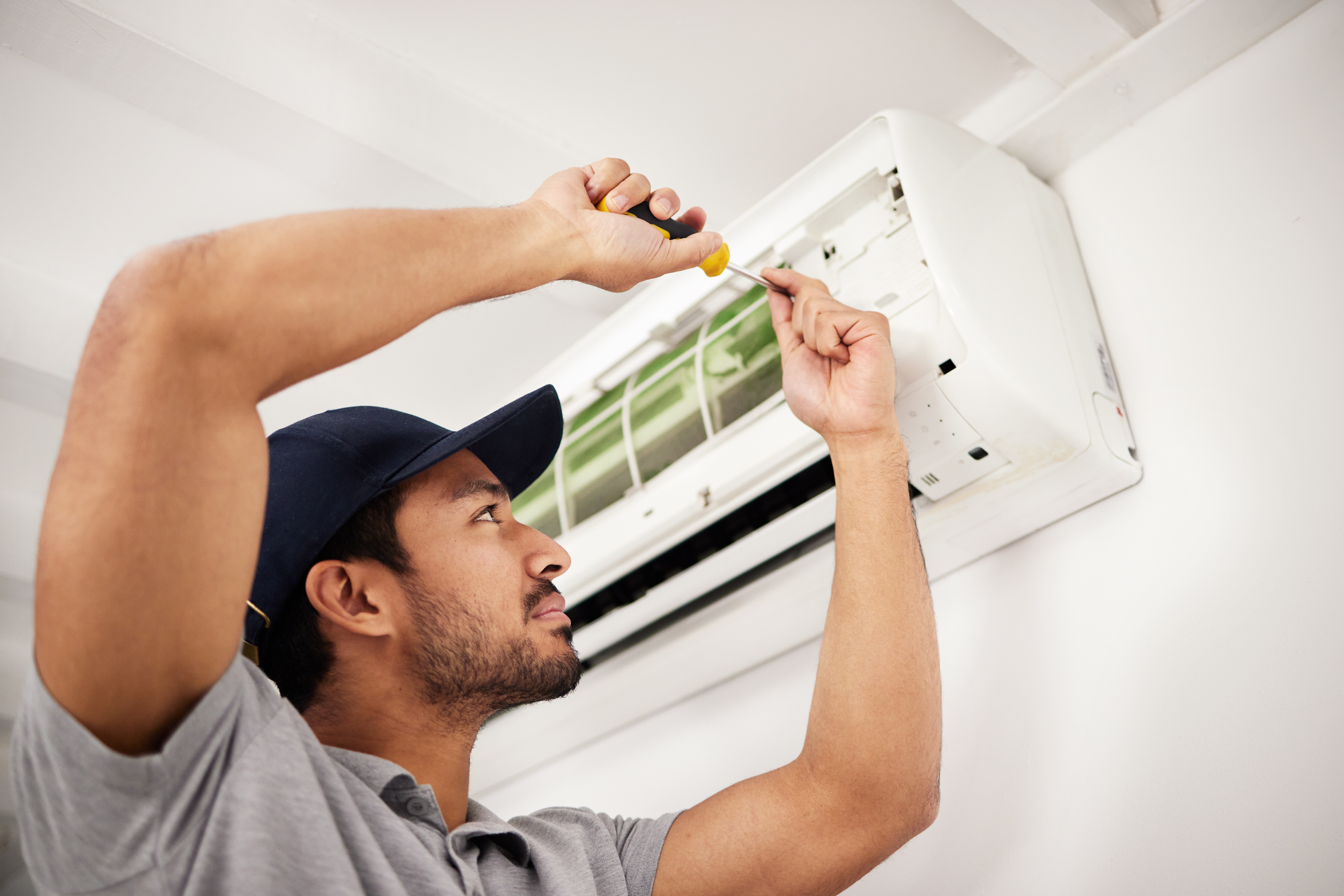
Understanding Residential HVAC Systems: How They Work and Why a Home Warranty Matters
Heating, ventilation, and air conditioning—better known as HVAC—is one of the most frequently used systems in a home. Whether it’s keeping things cool during a brutal summer or warming your spaces on a freezing winter night, your HVAC system ensures year-round comfort. Despite its central role, many homeowners don’t fully understand how these systems work, which components are most likely to fail, and how a home warranty can help protect against costly repairs. This article demystifies residential HVAC systems, highlighting the core components, benefits, common concerns, and how comprehensive coverage can offer peace of mind.
What is a Residential HVAC System?
A residential HVAC system is a complex network designed to regulate indoor temperature, control humidity, and maintain air quality. Its main purpose is comfort, but the mechanics behind the scenes are far from simple. At its core, an HVAC setup combines heating (usually through a furnace or boiler), ventilation (ductwork and filters), and air conditioning (a compressor, evaporator coil, and refrigerant). These components work together to adapt indoor climate conditions based on your thermostat settings and external weather shifts.
Core Components and Their Functions
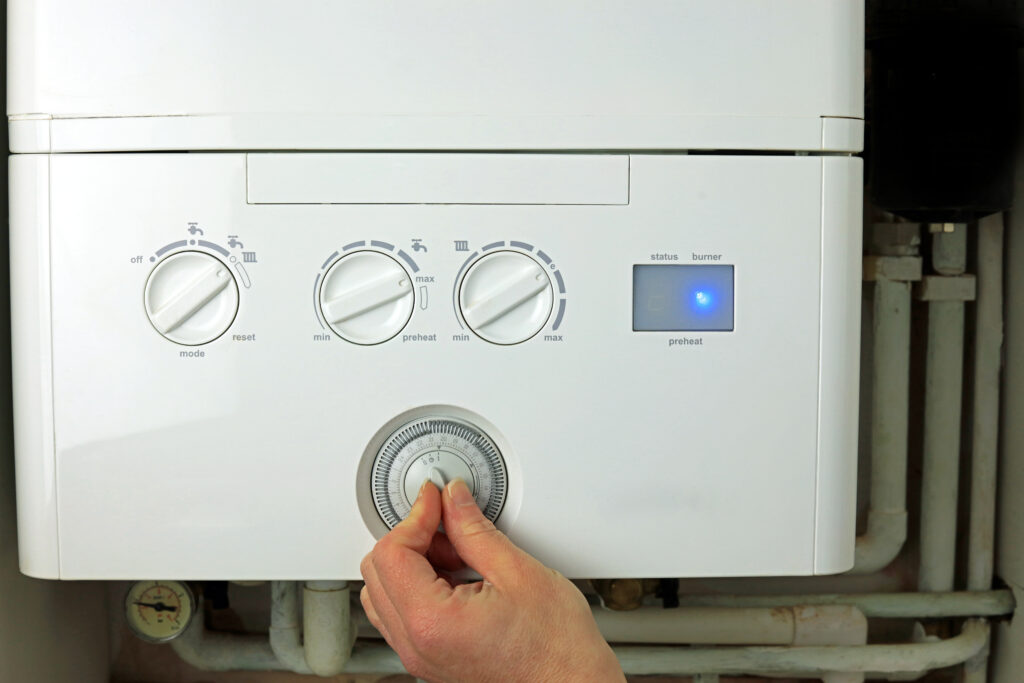
The primary components of a residential HVAC system are the furnace, air conditioner, ductwork, thermostat, and ventilation. The furnace is usually located in a basement, attic, or utility closet and is responsible for heating air using natural gas, electricity, or oil. That heated air is then distributed throughout the home via ducts. In contrast, the air conditioner cools air by drawing heat from the indoor environment and releasing it outside, a process carried out by the compressor and evaporator coil housed in your outdoor and indoor units respectively.
Your thermostat orchestrates everything—a small device with big responsibilities. It communicates with your heating and cooling units to maintain your chosen temperature. Ventilation plays a quieter but equally important role. Ducts, vents, and filters ensure air moves efficiently and remains free from dust and allergens. When all parts are operating in harmony, you benefit from a balanced and comfortable environment.
Advantages of a Modern HVAC System
Today’s HVAC systems are smarter, more energy-efficient, and significantly quieter than older models. With programmable thermostats and zoned heating and cooling, you can fine-tune your comfort room by room and save on utility costs. High-efficiency systems reduce your environmental footprint, often achieving substantial energy savings over their lifespan. Some models even integrate with home automation platforms, giving you real-time control from your phone or smart speaker.
Beyond convenience, modern systems are designed with increasingly sophisticated filtration capabilities. This can benefit households where allergies, asthma, or respiratory sensitivity are a concern. Cleaner indoor air and precise humidity control are the often-overlooked wellness advantages of a well-maintained HVAC system.
Common Drawbacks and Maintenance Challenges
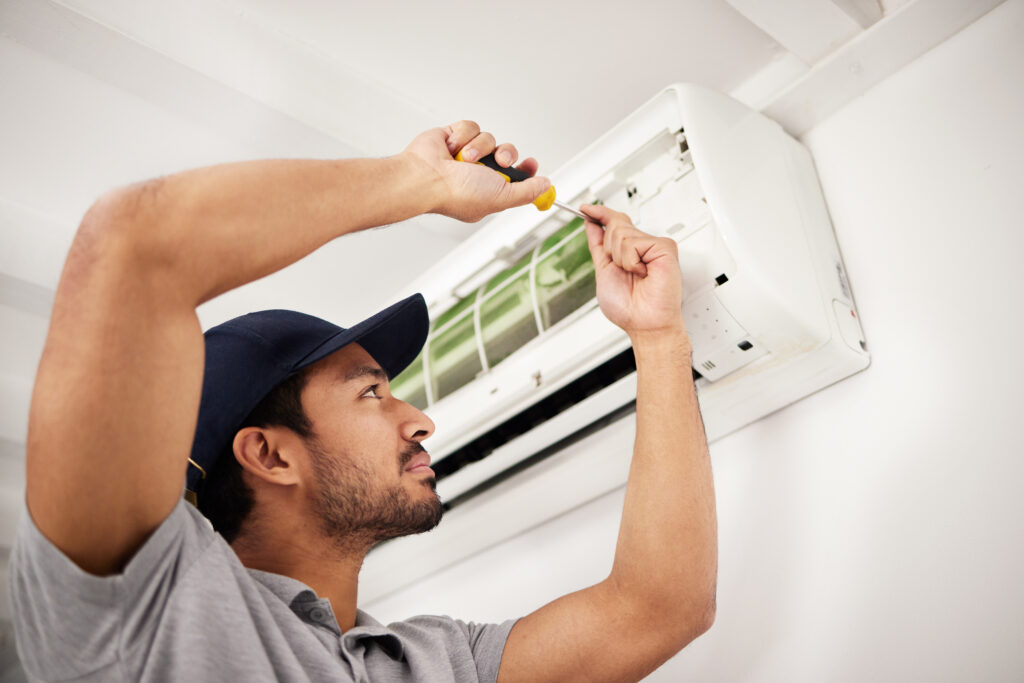
Despite their reliability, HVAC systems aren’t immune to issues. Components like compressors, motors, and blowers see a lot of wear and tear. Furnaces often have ignitor or sensor failures, while air conditioners can suffer from refrigerant leaks or clogged drain lines. Ductwork may accumulate dust, pests, or mold, causing reduced airflow and air quality. Thermostats, particularly older models, can miscommunicate with the system, leading to inefficiency or total failure.
Many of these problems are preventable—or at least predictable—with regular maintenance. Annual inspections, filter replacements, and seasonal tune-ups go a long way. However, even the most proactive homeowners can’t always avoid surprise breakdowns. And HVAC repairs aren’t cheap. A blower motor alone could cost hundreds, while a full system replacement can run into the thousands. That’s why so many homeowners consider adding HVAC coverage to their home warranty plan.
Why HVAC Systems Are One of the Most Common Home Warranty Claims
If there’s one system in your home that’s working year-round, it’s your HVAC. That constant operation increases the probability of fatigue-related failures, making it one of the top reasons for home warranty claims. Unlike other systems that might only be used seasonally or periodically, HVAC components are almost always in motion—either heating in winter, cooling in summer, or circulating air continuously in all seasons.
Breakdowns often happen when you need the system most. It’s not random. When outdoor temperatures reach extremes, your HVAC system works harder, and that strain can push aging components past their breaking point. Home warranties that cover HVAC can significantly reduce the stress—and unexpected cost burden—of these inconvenient failures. With one call, you’re connected to a vetted professional and shielded from most or all of the repair expense, depending on your coverage.
Important Considerations When Choosing HVAC Warranty Coverage
Not all home warranty plans offer equal HVAC protection. Some plans may exclude specific components or require maintenance records before honoring a claim. It’s important to read the fine print. Look for plans that cover both heating and cooling, including major internal components like compressors, motors, fans, and thermostats. Ductwork coverage is sometimes offered as an add-on but can be worth the extra cost if your home has an older ventilation layout.
Also consider how accessible repair services will be in your region, how long claim response times typically take, and whether emergency services are covered. The goal isn’t just financial protection but also convenience. A solid home warranty should make it easier, not harder, to resolve unexpected issues swiftly and professionally.
Reliable HVAC Coverage Starts with Armadillo
Your HVAC system is vital to your daily comfort—and when it fails, it pays to be prepared. Armadillo offers home warranty plans tailored to meet modern homeowner needs. With transparent terms, reliable service partners, and comprehensive heating and cooling system coverage, Armadillo helps remove the stress from surprise breakdowns. You can explore our plans and see what best fits your HVAC concerns by visiting our homepage. Ready to protect your system in just a few clicks? Start building your plan today through our plan builder tool.