



















What Is Home Warranty

Resources

How to Drain a Front Load Washer and Prevent Damage

How to Properly Drain a Front Load Washer: A Homeowner’s Guide

Front load washers are designed for efficiency, but even the most modern models can become victims of clogs, blockages, or excess water that requires manual drainage. Understanding how to drain a front load washer is essential, especially for homeowners who want to avoid unnecessary repair costs or downtime. Whether you’re troubleshooting an appliance problem or prepping for a professional repair, safely draining your washer is a practical skill that ties directly into good home maintenance. In the home warranty industry, tasks like these fall under the gray area of homeowner responsibility—and knowing the boundary can help avoid claim denials down the road.

Why Would You Need to Drain a Front Load Washer?

There are several common triggers that call for manual drainage. Your washer might stop mid-cycle, leaving a drum full of water due to a power outage, clogged pump filter, or sudden mechanical fault. While the machine is designed to automatically drain, blockages in the hose or pump often prevent that from happening, requiring manual intervention. If water remains stagnant or foul odors seep from the door seal, you could be facing mold buildup—draining and drying the washer becomes non-negotiable.

How Front Load Washers Drain Water

Despite their sleek, modern looks, the draining process inside a front load washer is surprisingly straightforward. After the wash and rinse cycles, water collects at the bottom of the drum and flows through a drain pump to the outgoing hose. That hose directs the water into your household plumbing. The process depends heavily on gravity and an uninterrupted flow through the drainage components. The drain pump is the key player here—when it clogs, everything stalls. If the washer senses high water levels when it shouldn’t, it stops functioning, sometimes locking the door in the process as a safety measure.

The Step-by-Step Process of Draining Your Washer

Before you do anything, always disconnect the power source to eliminate the risk of shock. Next, locate the access panel, typically on the lower front of the washer. Behind it, you’ll usually find the filter cap or drain pump flap and a small emergency drain hose. Place a shallow dish or tray beneath the opening. Gradually uncap the emergency hose to let the water flow out slowly—it can be a surprising volume. Patience is critical. If your washer doesn’t have an emergency hose, unscrewing the filter slowly will accomplish the same thing, though it may be messier. Once drained, take the opportunity to clean the filter screen, which collects debris like lint, coins, and hairpins, which could be the root cause of your problem.

What Homeowners Need to Know About Proper Maintenance

Prevention is the better strategy, and regular maintenance keeps both performance and longevity high. Cleaning the drain pump filter every few months should be part of your home routine. Likewise, avoid overloading the drum and use the correct type of detergent, as excess soap can form build-up that restricts draining. Check that the drain hose is positioned correctly—approximately three feet above the floor and not kinked—which allows for optimal water flow and prevents siphoning. When problems arise and you don’t know what’s behind a faulty drain, it’s tempting to call for service immediately. However, if the solution is as simple as an obstructed filter, being able to diagnose and solve it yourself could save time and service fees.

Common Issues and Troubleshooting Tips

Drainage problems are often not as mysterious as they seem. If your washer intermittently stops draining, the issue may come down to small objects trapped in the impeller. That hinders the pump from spinning properly. Unusual noises during the spin or drain cycle can be a clue. Another potential problem is airlocks in the hose—this happens when the hose gets submerged or backflow enters the line. Gently blowing air through the drain hose (after detaching it) can dislodge stubborn obstructions. Still, no matter how careful you are, mechanical failures do occur. An aging pump or failing control board may only be resolved through part replacement, which falls into the professional repair category.

The Connection Between Appliance Care and Home Warranties

From a home warranty standpoint, proper maintenance is critical. Most warranty providers require that appliances be kept in good working order before authorizing service. That means neglecting routine tasks—like cleaning your washer’s filter or draining it when necessary—can lead to denied claims. Understanding your responsibilities as a homeowner goes hand in hand with maximizing the value of your home warranty. In some cases, consistent misuse or lack of drainage can lead to larger issues such as pump burnout, water leaks, or even electrical shorts, which can be more costly than the unit itself. Homeowners who take time to understand their appliances also make better use of warranty coverage, reducing both downtime and unexpected expenses.

Protect Your Appliances with Armadillo

Knowing how to drain your washer is a worthwhile skill, but having backup for bigger repairs is better. At Armadillo, we take home warranties seriously—with plans designed to protect your critical home systems and appliances, like your front load washer, when the issues are beyond DIY fixes. Avoid dealing with unexpected laundry room disasters on your own. Get started by learning more about Armadillo’s tailored plans at www.armadillo.one or build your custom coverage now at our plan builder. Your washer—and your laundry routine—will thank you.

Share:

Next Posts

resources

Can You Safely Wash Leather Shoes in a Washing Machine?

Can You Put Leather Shoes in the Washing Machine? What Homeowners Need to Know Leather shoes occupy a unique space […]

resources

Central Air in Southern Architecture: Protection and Value

The Value of Central Air Conditioning in Southern Homes and Why Protection Matters In the southern United States, where heat […]

resources

Where to Put Tiny Houses Legally and Protect Them Smartly

Where Can You Put Tiny Houses? A Guide for Homeowners Tiny houses continue to gain popularity across the country, offering […]

Welcome to a new age of home warranty

Affordable plans.
Hassle-free home ownership.

Subscription-based protection for when major
appliances and systems break down.

Armadillo

What is Home Warranty?

Home Warranty plans cover the costs of repair or replacement of major appliances and systems like HVAC, refrigerators, dishwashers, washer/dryers and so much more.

Armadillo is a technology company that makes requesting a repair and resolving the issue streamlined, easy, at your fingertips, and affordable.

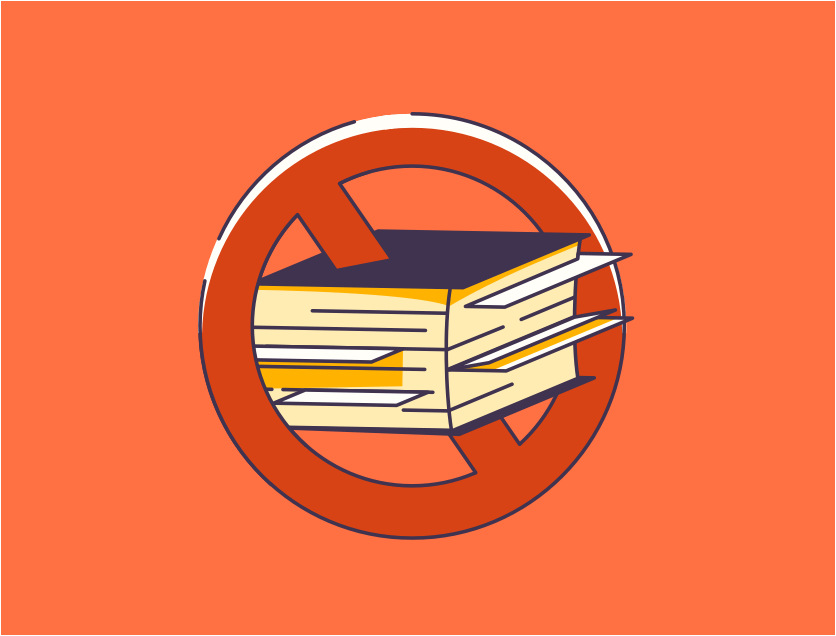
Typical Home Warranty

A long legal contract. More pages means more conditions and exclusions – and more reasons to deny you service.

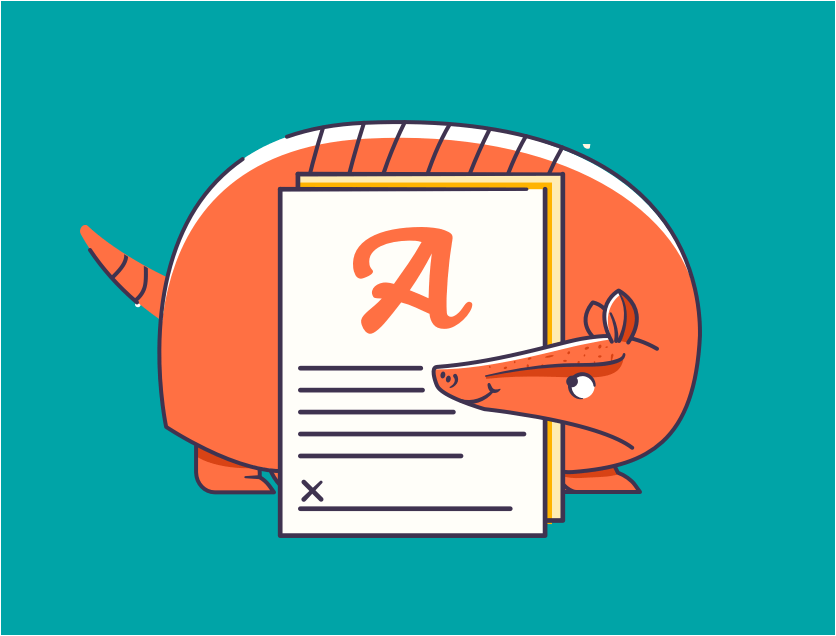
Armadillo’s Home Warranty

Shortest, most transparent and digestible plan in the industry. That means less fine print so that we can actually deliver for you.