The Homeowner’s Guide to Outdoor String Lights: Safe Installation, Smart Upgrades, and Grounding for Peace of Mind
String lights have become a staple in backyard design, turning ordinary patios, decks, and gardens into inviting spaces for evening relaxation or entertaining. While they bring ambiance and charm, outdoor lighting also intersects with electrical systems—meaning things like power supply, outlet reliability, and grounding begin to matter more than just aesthetics. Homeowners often overlook these technical considerations until a breaker trips or a fixture fails. Let’s break down what you need to know about string lights for your backyard: how they work, what makes them safe, and how grounding plays a silent yet powerful role in protecting your home—and your peace of mind.
What Are Outdoor String Lights and How Do They Work?
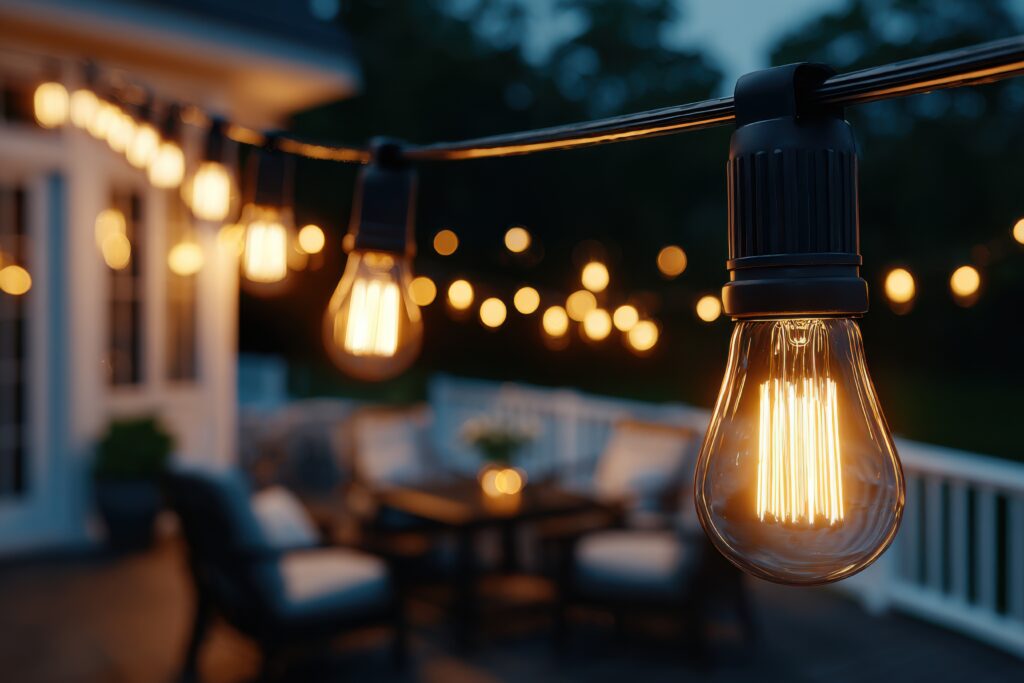
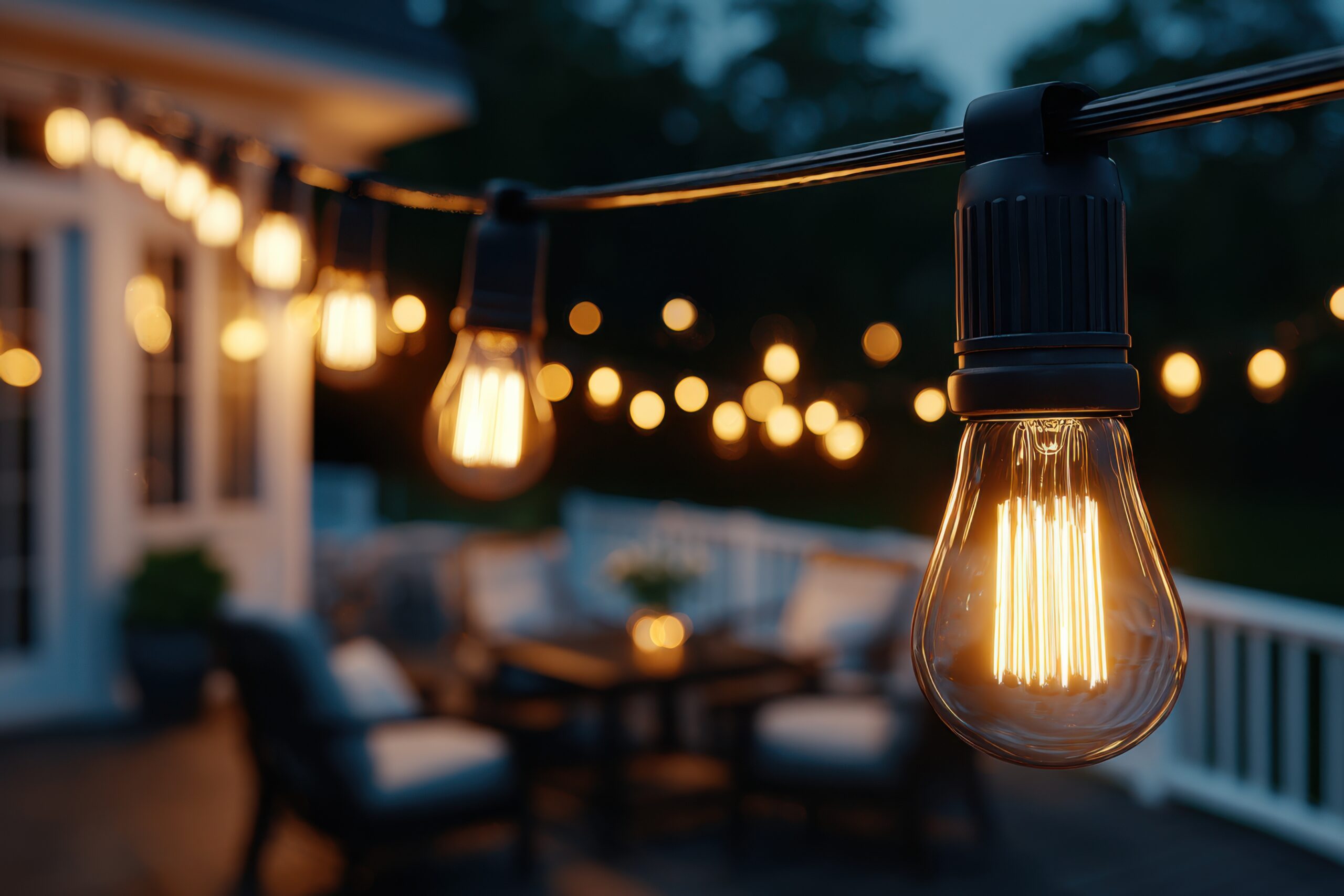
Outdoor string lights are designed to handle exposure to the elements. Unlike indoor lights, they’re built with weather-resistant materials, sealed sockets, and typically thicker cords. Available in acrylic or glass bulbs and various designs—from vintage Edison styles to petite fairy-style LEDs—they cater as much to mood-setting as they do to functionality. Still, at their core, they are simple electrical fixtures: sockets wired in a series or parallel across a main cable, drawing electricity through an outdoor-rated power source such as a GFCI outlet or hardwired circuit.
Why Does Grounding Matter for Outdoor Lighting?
Electricity always seeks the shortest path to the ground. If there’s an unexpected surge—say, from a lightning strike or a wiring issue—grounding gives that stray electricity a non-destructive escape route. Without proper grounding, electrical current might instead travel through you, metal planters, or other conductive surfaces nearby. Grounded lights operate with an extra layer of protection, diverting excess electricity safely into the earth. This is particularly essential with outdoor setups, where moisture can turn even minor faults into major hazards. Grounding isn’t just about compliance—it’s a cornerstone of safe, functional outdoor lighting that doesn’t compromise your family’s safety.
Common Electrical Challenges With Backyard String Lights
Despite their charm, string lights can present a range of challenges if not planned properly. One of the most common issues is overloading a circuit. Plugging several sets into a single outlet may seem fine at first—until the fuse blows or the lights start dimming when the microwave runs. Another easily overlooked risk is installing non-outdoor-rated lights in an outdoor location. Even a drizzle can be enough to short them out. Also, many older homes have outdoor outlets that aren’t grounded or GFCI-protected, especially if upgraded lighting was a DIY afterthought. Lastly, extension cords—often the glue of temporary lighting—can be the Achilles’ heel if they lack weather resistance or grounding prongs. These small missteps can add up to considerable risk.
Advantages of Upgrading to a Grounded Lighting System
Choosing grounded outdoor lighting provides several essential benefits. The most obvious is safety: it significantly reduces the risk of shock, especially in wet conditions. But it also offers stability. Grounded systems are less prone to flickering, shorting, or reacting to power fluctuations. This means your ambiance isn’t constantly interrupted by resets or outages. It also extends the longevity of your fixtures and bulbs. Grounded systems help prevent electrical wear-and-tear that accumulates in ungrounded designs, adding unnecessary strain to your bulbs and reducing their lifespan. If you’re considering integrating string lights with solar power or smart home controls, grounding also supports more complex setups—ensuring compatibility and reliability down the line.
Installation Tips: Safe Setup From the Ground Up
The ideal setup for your backyard string lights starts before you plug them in. First, confirm that your outdoor outlets are not only weather-proof but also GFCI-protected. These outlets stop current instantly if a fault is detected, adding a safety net beside grounding. Use only lights that are marked for outdoor use—and double-check for grounding prongs before connecting them to any extension cord or timer. When hanging lights, avoid metallic fixtures or fasteners that could conduct electricity. If you’re not using solar-powered options, consider installing a grounded outdoor electrical box connected to your main service panel. This may sound excessive for a few lights, but it’s a smart investment in safety and future flexibility. If installing permanent overhead lights, professional installation is strongly advised to ensure proper wire routing, anchoring, and grounding connections.
Drawbacks of Unprotected Systems and What to Avoid
String lights offer beauty, but if installed haphazardly, they can introduce more risk than reward. Unprotected systems tend to degrade faster, malfunction more often, and potentially void portions of home insurance or home warranty coverage if installed improperly. Regular wear can cause exposed wiring and cracked casings—especially if you live in a region with harsh winters or humid summers. Also, backups from overloaded breakers can affect other appliances on the same circuit. Temporary setups using products that were never intended for outdoor use—like indoor extension cords, non-grounded fixtures, or plastic clips—expose you to hazards from water intrusion, wind movement, and aging insulation. While tempting to cut corners, these choices almost always lead to problems that cost more in the long run. Avoiding these pitfalls protects your weekends, your home’s integrity, and your financial stability.
Protecting Your Electrical System With a Home Warranty Partner That Understands Details
A grounded system is more than an upgrade—it’s a commitment to safety and function. When electrical concerns do arise, whether from wear or unexpected failure, working with a home warranty provider who understands residential systems from the inside out makes recovery faster and easier. That’s where Armadillo comes in. Our modern home warranty plans address far more than the basics. We cover key systems like electrical panels and circuits affected by home improvements—even when your upgrades include stylish string lighting or larger outdoor installations. If your outlets go dark unexpectedly or your panel has trouble managing load from new outdoor fixtures, our service will connect you with qualified pros who resolve issues correctly the first time. You can explore our customizable plans on our homepage at armadillo.one or build your own tailored protection using our easy-to-start tool here. Because the peace of mind that comes from well-grounded spaces shouldn’t stop at the porch light.