Understanding Your HVAC System: A Homeowner’s Guide to Heating, Ventilation, and Air Conditioning
There are few systems in a home more critical to comfort and livability than the HVAC system. Whether it’s braving sub-zero winters or pushing through a summer heatwave, your HVAC system quietly works behind the scenes to keep indoor temperatures stable and air quality manageable. And yet, many homeowners don’t give much thought to this essential system—until something goes wrong. This article is designed to offer a thorough, digestible breakdown of what an HVAC system actually is, how it operates, its long-term advantages and potential drawbacks, and why understanding it can help homeowners make smarter decisions when it comes to maintenance and protection.
What Is an HVAC System and Why It Matters
The acronym HVAC stands for Heating, Ventilation, and Air Conditioning. This system regulates indoor temperatures, ensures proper airflow, and maintains humidity levels inside homes. At its core, HVAC isn’t just about warm or cool air—it’s about engineered indoor comfort and overall air quality, year-round. The system comprises various components—furnaces, air conditioners, heat pumps, ductwork, thermostats, and more. Each plays a distinct role, and when one piece malfunctions, the performance of the entire unit can suffer. Homeowners who understand the basic mechanics and interconnectivity of their HVAC system can better prioritize upgrades, perform preventative maintenance, and plan protection strategies.
How Heating, Ventilation, and Cooling Systems Actually Work
Though it operates as one integrated architecture, HVAC involves three distinct functionalities. Heating elements generally use a furnace or boiler, powered by electricity, gas, or oil. These systems heat air or water, which is then circulated throughout the home. Ventilation focuses on circulating and filtering air. It removes indoor pollutants, regulates moisture levels, and prevents air stagnation. Mechanical ventilation systems often include air exchangers or ductwork fans. Cooling systems utilize air conditioners or heat pumps to extract heat from indoor air and release it outside, using refrigerant and compression coils. A thermostat regulates the entire setup, sensing room temperatures and prompting the system into action accordingly.
Key Benefits of a Well-Maintained HVAC System
A properly functioning HVAC system does far more than control temperature. It significantly improves indoor air quality, especially important for homes with pets, allergy sufferers, or high dust levels. A good system also manages humidity—too high, and mold thrives; too low, and you can wind up with wood cracking or respiratory discomfort. Energy efficiency is another major benefit. Modern HVAC systems consume far less energy than older counterparts, lowering utility bills in the process. Lastly, a formidably maintained HVAC system positively impacts property value. Prospective buyers view an efficient, well-kept heating and cooling setup as a major asset rather than a repair concern.
Common Pain Points and Limitations
Despite their inherent value, HVAC systems are not without issues. One common limitation is cost. Installation of a new system or replacement of major components—such as a central AC unit or furnace—can run thousands of dollars. Operational costs also fluctuate due to rising energy prices or inefficiencies in aging systems. Second, there’s maintenance complexity. Filters must be routinely changed, ducts cleaned, coolant recharged—all on differing timelines. Without an active preventive maintenance plan, these requirements can become burdensome. Air balancing issues, blocked vents, and aging parts can cause different areas of your home to maintain uneven temperatures, leading to comfort inconsistencies. Moreover, many warranties on HVAC units don’t last beyond a few years, leaving homeowners exposed to expensive repairs.
Signs Your HVAC System May Need Attention
An HVAC breakdown rarely happens without warning. Homeowners should stay attuned to specific indicators. Unusual noises—such as knocking, whistling, or banging—could signify mechanical issues or blockages. A sudden rise in utility costs might point to reduced efficiency. If rooms are heating or cooling unevenly, or if there’s a musty smell coming from vents, airflow problems or mold buildup could be the cause. Perhaps most telling of all, if your thermostat settings no longer seem to align with indoor conditions, the entire system may be destabilizing. Regular inspections and tune-ups can catch small issues before they escalate into major system failures.
Homeowner Tips for Better HVAC Care
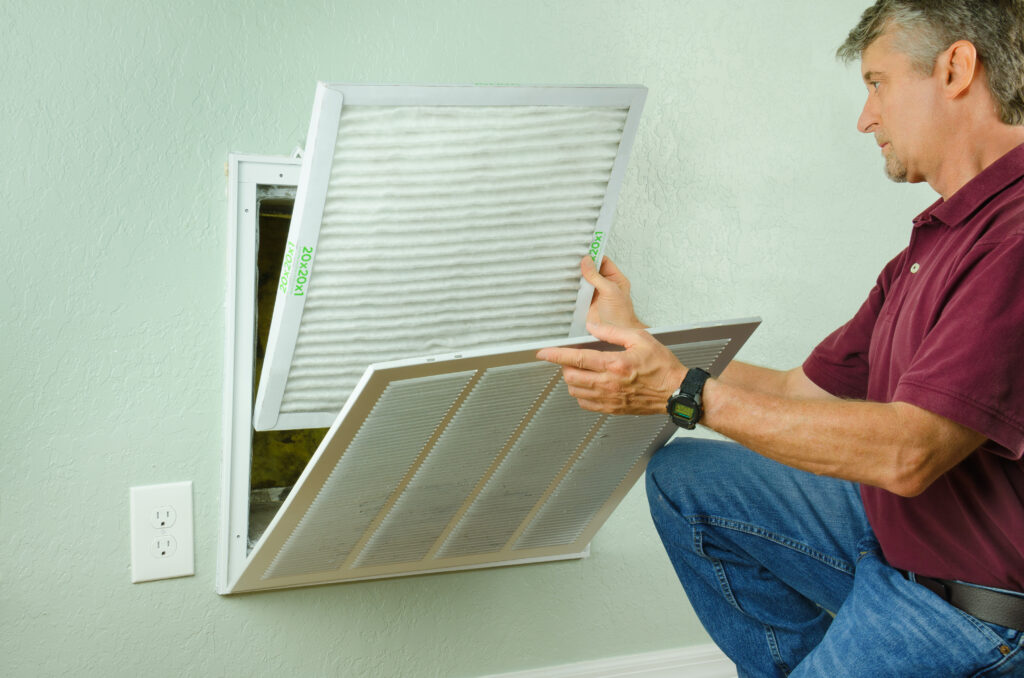
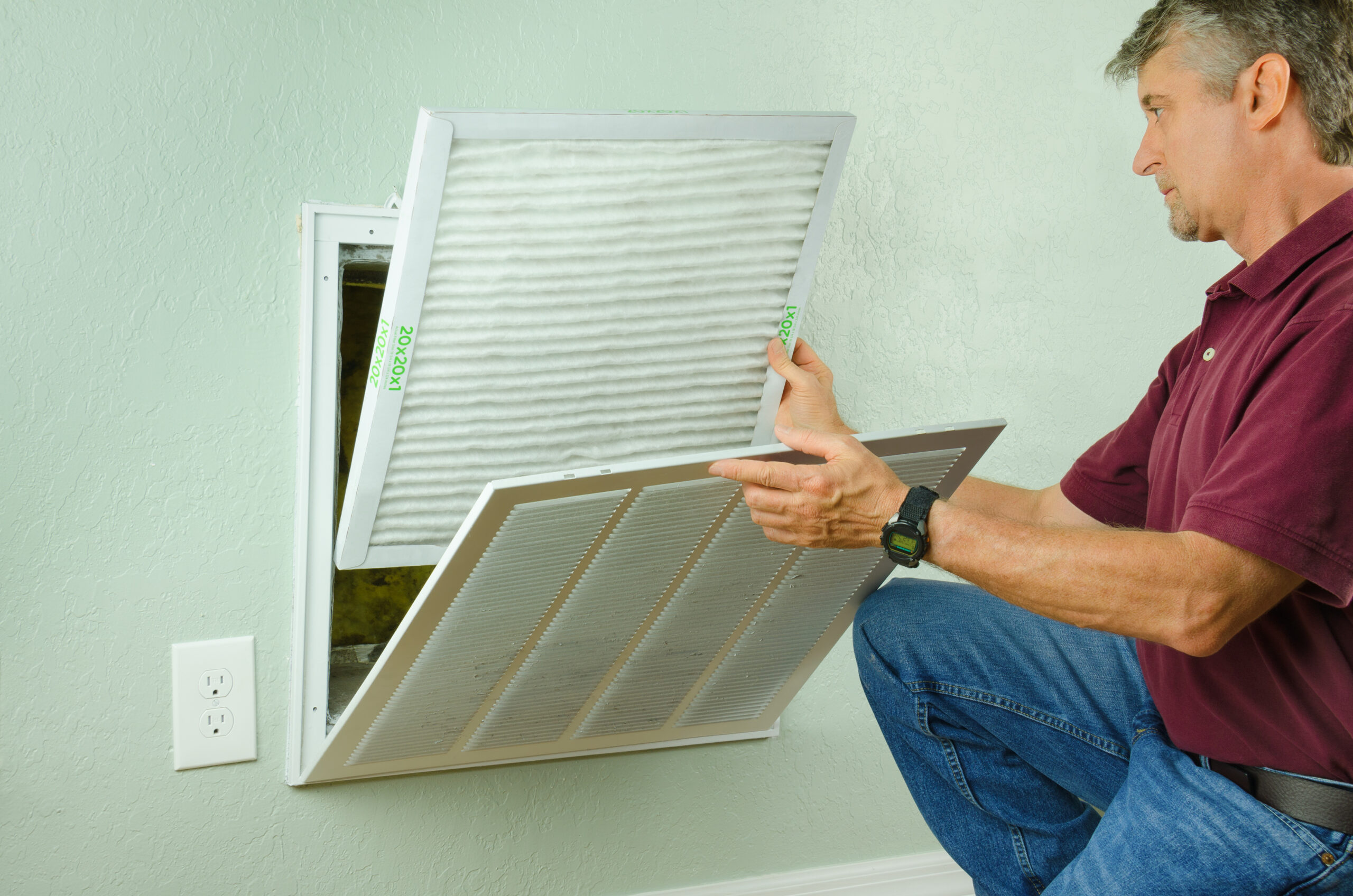
Consistent, straightforward upkeep can extend the lifespan and efficiency of your HVAC system. First, change filters every 30 to 90 days, depending on usage and environmental factors. Schedule two professional inspections per year—one before cooling season and one before heating season. Keep outdoor units unobstructed by trimming back vegetation. Clean registers and vents monthly to maintain airflow. Install a smart thermostat to manage energy use and adjust for occupancy patterns. If your ductwork is older or you’ve added new rooms, consider having a contractor perform an airflow balancing assessment. Above all, keep records. Maintenance logs can help technicians diagnose issues faster and may be required for any warranty claims.
Protecting Your HVAC System with a Home Warranty
Given the complexity and essential function of your HVAC system, protecting it isn’t optional—it’s a matter of practical home management. A reliable home warranty gives homeowners peace of mind by offsetting the potential financial burden of repairs and replacements. Armadillo offers comprehensive home warranty plans that cover HVAC systems—including components that regular homeowners insurance will not touch. If an unexpected failure occurs, you’re connected with pre-screened service providers, and there are no surprise repair costs. Plus, the plan covers usual wear-and-tear scenarios that occur naturally over time. To explore how Armadillo can help shield your home, visit our homepage or take the first step in personalizing your coverage through our Plan Builder. Because the air you breathe and the comfort you expect no longer have to be a gamble.