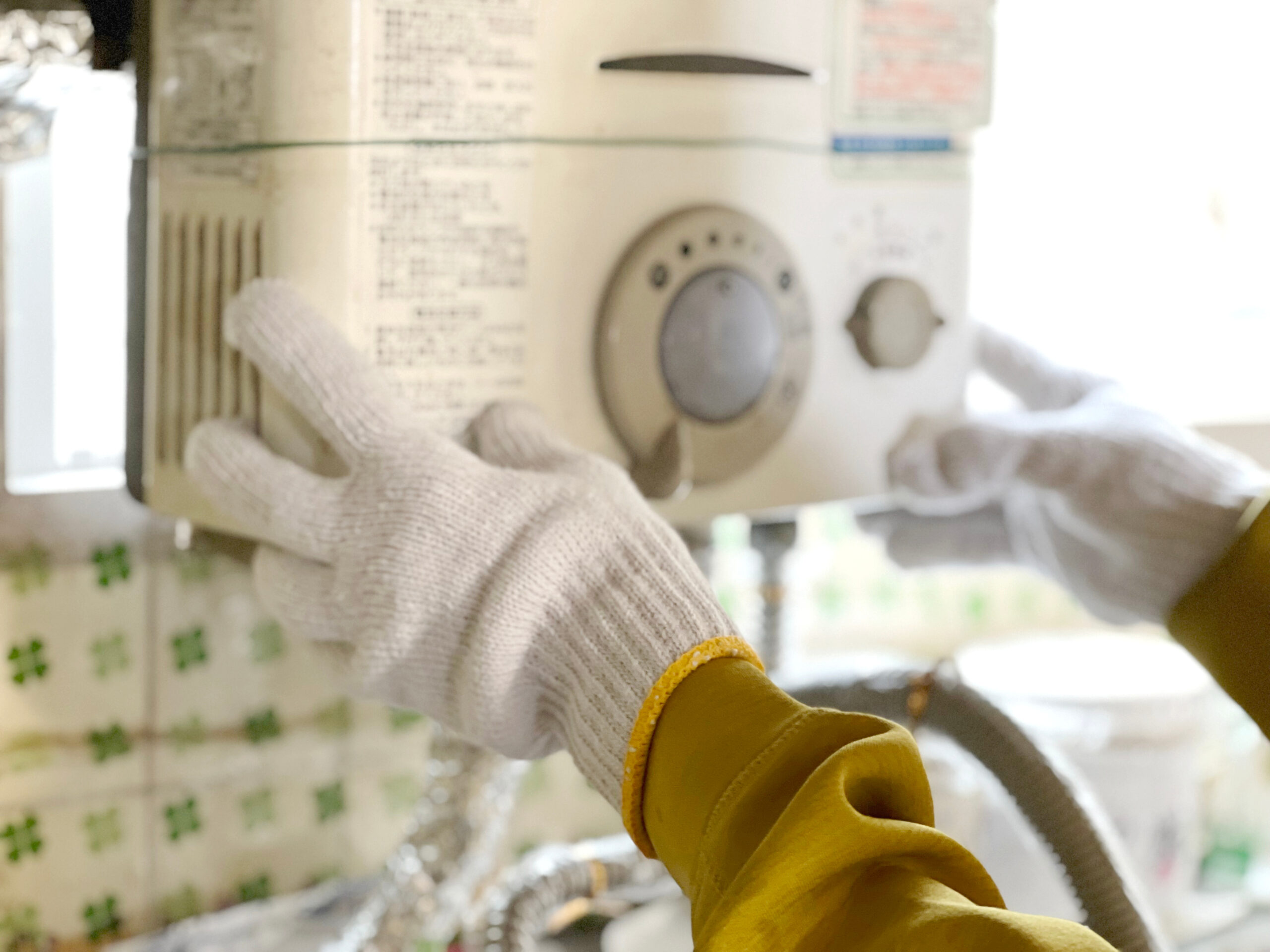
Understanding Tankless Water Heaters: Efficiency, Function, and Long-Term Value
Homeowners today are more focused than ever on systems that save money, increase efficiency, and deliver consistent comfort. Enter the tankless water heater. This compact, on-demand appliance has transformed how modern homes use hot water. Whether you’re in the middle of a remodel or simply updating outdated systems, understanding how a tankless water heater works and whether it’s right for your home is essential. In this guide, we’ll explore what tankless water heaters are, how they function, their key advantages, common limitations, and considerations for keeping them protected long term through a solid home warranty.
What Is a Tankless Water Heater and How Does It Work?
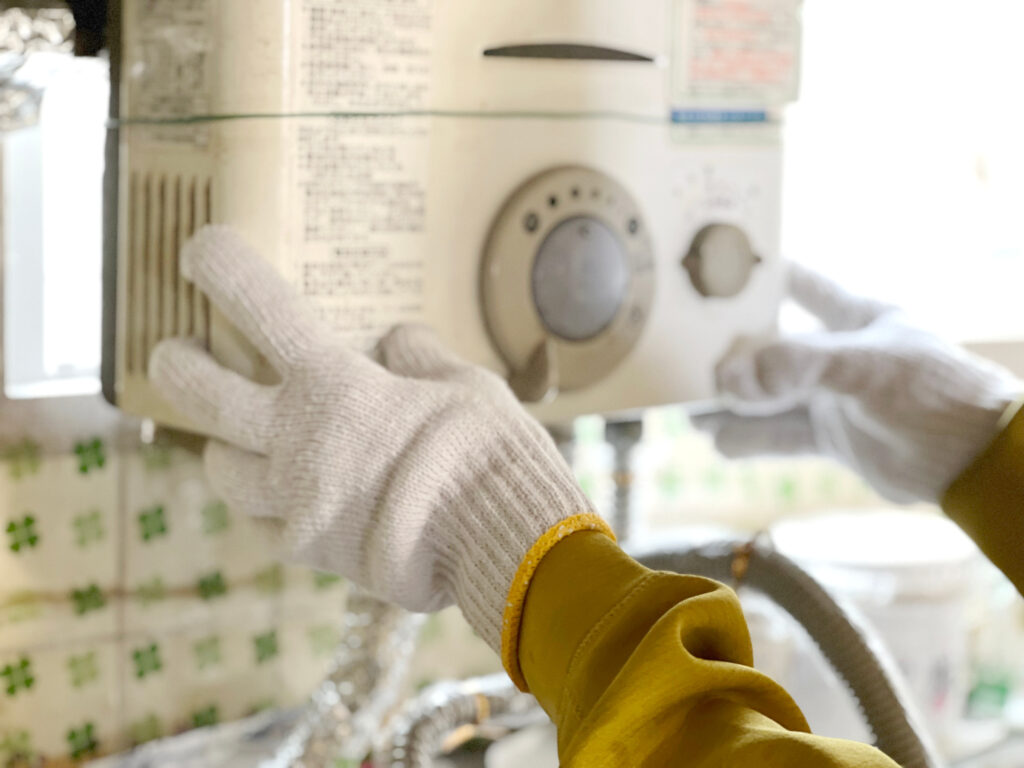
A tankless water heater, often referred to as an on-demand water heater, operates without storing hot water in a tank. Instead of continuously heating and holding water like traditional models, a tankless unit activates only when a hot water tap is turned on. Cold water travels through a pipe into the unit, where either a gas burner or an electric heating element instantly heats the water. The result? Practically unlimited, consistent hot water—so long as the unit is sized correctly for household demand.
The lack of a storage tank not only saves space but also eliminates standby heat loss, a common energy drain in conventional water heaters. Tankless systems are sleek, often wall-mounted, and suitable for interior or exterior installation depending on climate and local building codes. Their digital interfaces also provide easy adjustment of water temperatures and system status for optimal performance.
The Main Benefits of Choosing a Tankless Water Heater
The appeal of a tankless water heater extends well beyond its space-saving design. One of the most widely touted benefits is energy efficiency. According to the U.S. Department of Energy, tankless water heaters can be up to 34% more energy-efficient for homes that use less than 41 gallons of hot water daily. Even in larger households, energy savings over time can be substantial due to the unit’s ability to avoid energy loss from constantly reheating stored water.
Another major benefit is the longevity. While traditional tank water heaters tend to last around 10 to 12 years, tankless models can endure for 20 years or more with proper maintenance. This longer lifespan translates to reduced waste, fewer replacements, and long-term cost savings. Additionally, homeowners enjoy the flexibility of tailored installations—whether for a single point-of-use bathroom or the entire household—which further supports efficient water use.
Potential Drawbacks and Installation Challenges
Despite the energy-saving appeal, tankless water heaters are not without drawbacks. Initial installation costs can be significantly higher than standard tank heaters. Retrofitting an older home often means upgrading gas lines, rerouting plumbing systems, or installing new venting—all of which quickly add to up-front expenses.
Additionally, output limitations are worth noting. While tankless models provide continuous hot water, their flow rates are finite—typically around 2 to 5 gallons per minute. This means simultaneous water usage, like running a shower and dishwasher at once, may exceed the unit’s capacity without supplementary systems. Homeowners with large families or high water demand may need multiple units or a more powerful whole-house system, which again increases cost and complexity.
Maintenance Requirements and Lifespan Expectations
Routine maintenance is essential to preserve the efficiency and function of a tankless water heater. Mineral buildup—particularly in homes with hard water—can clog internal components and reduce performance over time. Manufacturers often recommend professional descaling at least once per year. Filters also need to be checked and cleaned regularly to ensure proper water flow.
If maintained properly, most units can easily live beyond the two-decade mark, and some come with extended manufacturer warranties. However, like all appliances, wear and failure can still occur in heat exchangers, sensors, and control boards. Maintenance costs, plus potential repair costs outside warranty coverage, should be considered as part of the total investment.
Energy Efficiency and Environmental Impact
One of the most compelling reasons homeowners shift to tankless is the environmental footprint. These systems reduce greenhouse gas emissions by consuming energy only when in use. Unlike traditional water heaters that keep water hot around the clock, tankless units deliver hot water using less energy over time. This not only shrinks utility bills but also reduces a home’s total energy consumption.
In addition to the reduction of standby losses, modern tankless water heaters frequently qualify for tax credits, rebates, and incentives at the state or federal level. Homeowners interested in promoting sustainability while enjoying everyday convenience find tankless water heaters align well with their long-term goals. They’re also a desirable feature for prospective buyers should resale become a consideration in the future.
Protecting Your Investment with a Home Appliance Warranty
Given the complexity and cost of these units, safeguarding your investment is a step homeowners should not overlook. A tankless water heater can fail from reasons outside of your control, including factory defects, electronic failures, or premature wear on internal components. Without a warranty, the cost to replace a failed unit—often between $2,000 and $4,000—can land squarely on the homeowner.
Top-tier home warranty providers understand the evolution in modern home appliances and systems. They offer coverage plans specifically designed to support devices like tankless water heaters, which can be far more sophisticated (and costly) than traditional options. A tailored home warranty plan gives homeowners confidence in knowing that repairs or replacements are covered if something goes wrong, minimizing out-of-pocket surprises.
Why Armadillo Is the Smart Choice for Protecting Your Tankless Water Heater
Investing in a tankless water heater is not just about immediate comfort, energy savings, and reducing your carbon footprint—it’s about choosing a long-term value that deserves long-term protection. That’s where Armadillo comes in. Armadillo offers straightforward, flexible, and purpose-built home warranty plans that cover the systems and appliances modern homes rely on most, including tankless water heaters. With smart digital plan management, responsive repair solutions, and a focused dedication to homeowner satisfaction, Armadillo makes it easy to protect this energy-efficient addition to your home. Learn more at armadillo.one or start building your plan today at armadillo.one/plan-builder. It’s one small step for safeguarding your home, and one big leap toward more confident homeownership.