





















What Is Home Warranty

Resources

Circuit Breaker Flashing Red? Understand Ground Fault Risks

Why Is My Circuit Breaker Flashing Red and Grounded? Understanding Electrical Safety in Your Home

When you glance over at your home’s electrical panel and notice a circuit breaker flashing red, it’s natural to feel a wave of unease. There’s no need to panic, but it’s crucial to understand what’s happening. Especially if the breaker is also grounded or appears to have tripped in some unusual way, taking the time to learn what this signal means can help you stay ahead of potential electrical risks. A properly functioning breaker is a key safety feature in your home—and one of the most frequently used components, whether you realize it or not. In this article, we’ll explore what a circuit breaker does, what it means when it flashes red light, how grounding fits into the equation, and when it might be time to call in the experts.

What Is a Circuit Breaker and How Does It Work?

A circuit breaker is a protective device found in your home’s electrical panel. Its main purpose is to stop the flow of electricity when there’s a problem—like too much current, an overload, or a short circuit. This protects the wiring in your home from overheating, which can lead to fires or damage to appliances and systems. Think of it as the traffic light for your electricity. Green is good, flashing red is not. Inside the breaker is a mechanism that opens the circuit when it detects danger. Once the hazard is resolved, you can usually reset the breaker. But what if it’s flashing red? That means something more specific.

Flashing Red Lights on Circuit Breakers: What They Really Mean

Not all circuit breakers have indicator lights, but some advanced or smart breakers feature a flashing red light as a diagnostic signal. A blinking red light often indicates the breaker has tripped due to an error—like a ground fault, short-circuit, or arc fault. Each brand has its own way of signaling problems, but a red flash almost always means a fault has occurred. In many cases, it doesn’t just mean the breaker tripped; it’s trying to tell you why. For example, Eaton and Square D smart breakers can communicate what type of error occurred by how many times the red light flashes. It’s a helpful feature, especially when diagnosing intermittent or hidden issues. If yours is flashing red and grounded, it may have detected a grounding issue or imbalance in current, possibly involving moisture, damaged wires, or improper connections.

Grounded Circuit Breakers: Why Grounding Matters

Grounding provides a safe path for electricity to travel in the event of a fault. Your circuit breaker being “grounded” doesn’t necessarily mean it’s malfunctioning—it means the system has engaged properly to redirect excess electricity safely into the ground. In modern homes, circuit breakers are part of a larger grounded electrical system. When combined with arc-fault or ground-fault circuit interrupters, they serve as advanced safety mechanisms. So, when a breaker flashes red while also involving the grounding system, it’s telling you there’s a potential safety hazard—a ground fault where electricity is going somewhere it shouldn’t, possibly through a wet area or deteriorating wire insulation. Ground faults are common in kitchens, bathrooms, garages, or outdoors, where moisture is a frequent issue. That flashing red could be saving your life.

Common Reasons for a Flashing Red and Grounded Breaker

If you encounter a breaker that’s both grounded and flashing red, several possible causes could be in play. You might have plugged in a faulty appliance that’s leaking current. Water might have entered an outlet. A rodent could have chewed through wiring. Maybe someone drilled into the wall and nicked an electrical wire—these things happen. Ultimately this is the breaker doing precisely what it was designed to do: shut things down before danger escalates. If it resets but flashes again quickly, it indicates a persistent issue. That’s your signal to stop resetting it and call in an electrician. There are few areas in home maintenance where DIY fixes are less appropriate, and this is one of them. Electrical faults should be handled professionally to protect both your appliances and your safety.

How to Respond to a Circuit Breaker Flashing Red: Safety First Steps

First, do not repeatedly reset the breaker if it’s flashing red—it’s trying to communicate a consistent problem. Switch off the associated appliances or outlets from the affected circuit. Avoid touching suspicious devices that may have triggered the fault, particularly if water or warm odors are involved. When safe to do so, unplug everything connected to that circuit. Look for water leaks, damaged cords, or signs of burning. After removing potential causes, one reset may be attempted. If the breaker trips again—and continues to flash red—it’s time to contact a licensed electrician. Keep in mind: a flashing breaker is not an inconvenience; it’s your home’s warning system. Treat it seriously.

Preventing Future Tripping and Grounding Issues

Prevention starts with awareness. Use GFCIs (Ground Fault Circuit Interrupters) where moisture is present. Avoid plugging multiple high-wattage devices into the same outlet. Have your wiring inspected periodically, especially in older homes. Seasonal maintenance checks, particularly in spring and fall, can catch wear or pests before they become dangerous. Installing whole-home surge protection can also reduce stress on your circuit breakers. Consider upgrading to smart panels or circuit breakers that provide real-time diagnostics. These let you monitor electrical health and performance directly from your phone or tablet. The more insight you have into your home’s electrical system, the less likely you are to be caught off guard by a flashing red light.

Choosing a Home Warranty that Covers Electrical Systems

Electrical issues aren’t always easy to predict—or cheap to fix. If your breaker is flashing red, you could be looking at replacing wiring, repairing damage to outlets, or even upgrading panels. That’s where a reliable home warranty can make all the difference. At Armadillo, we help homeowners stay protected by offering coverage that includes complex systems like electrical, plumbing, heating, and more. When unexpected faults arise, we make it easier to act promptly and affordably—backed by a network of qualified professionals. Explore our plans by visiting Armadillo’s homepage or jump right in with our quick and simple plan builder at Get Started with Armadillo. Safety is the heartbeat of your home—and we’re here to keep it steady, one circuit at a time.

Share:

Next Posts

resources

Backyard String Light Safety Guide: Grounding, Setup, Upgrades

The Homeowner’s Guide to Outdoor String Lights: Safe Installation, Smart Upgrades, and Grounding for Peace of Mind String lights have […]

resources

Guide to Understanding and Protecting Your HVAC System

Understanding Your Home’s HVAC System: What It Is, How It Works, and Why It Matters Your home’s HVAC system—Heating, Ventilation, […]

resources

Tankless Water Heaters: Smarter Hot Water for Modern Homes

Understanding Tankless Water Heaters: Is It Time to Ditch the Tank? You’ve probably heard the buzz. Tankless water heaters are […]

Welcome to a new age of home warranty

Affordable plans.
Hassle-free home ownership.

Subscription-based protection for when major
appliances and systems break down.

Armadillo

What is Home Warranty?

Home Warranty plans cover the costs of repair or replacement of major appliances and systems like HVAC, refrigerators, dishwashers, washer/dryers and so much more.

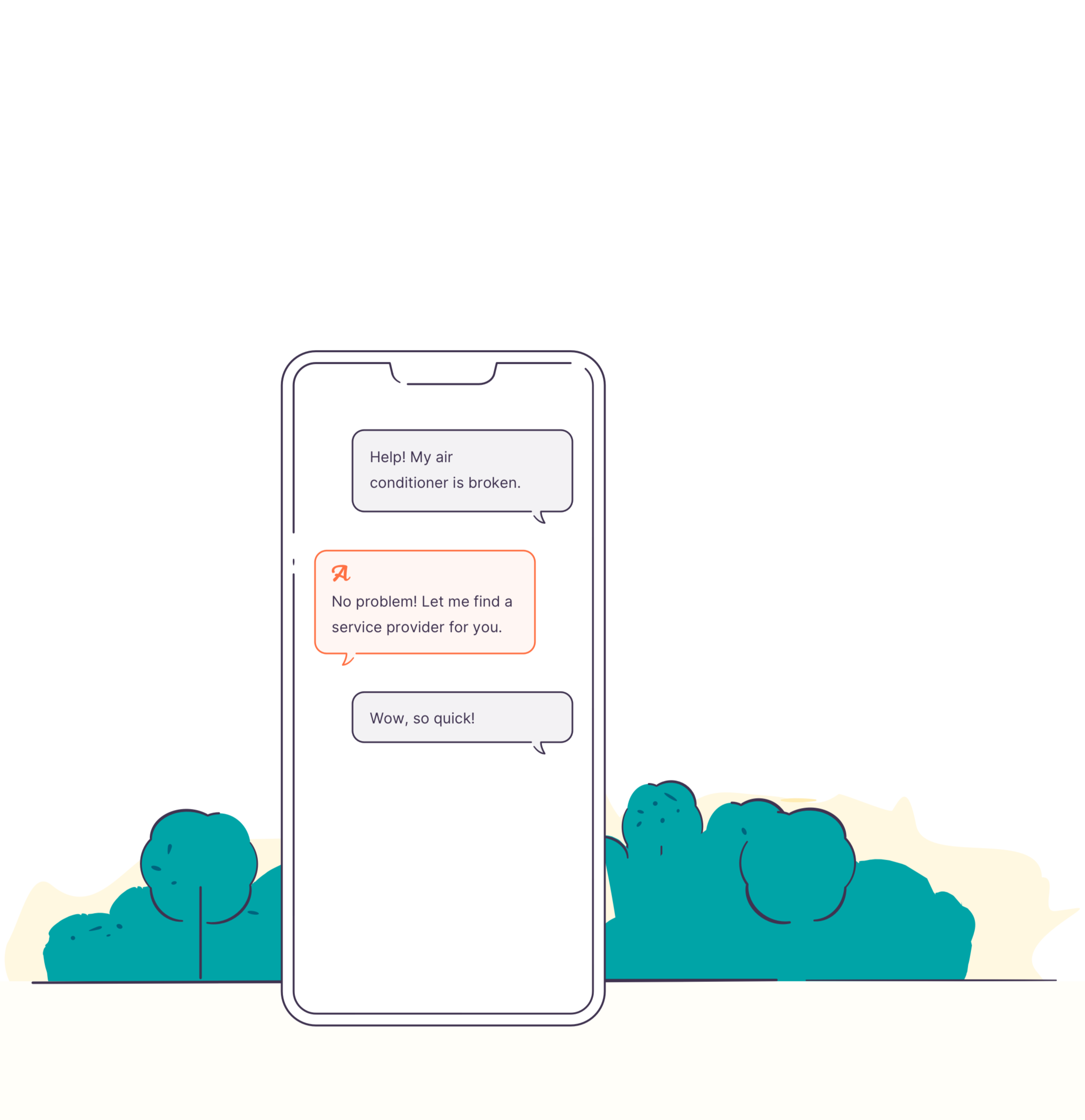
Armadillo is a technology company that makes requesting a repair and resolving the issue streamlined, easy, at your fingertips, and affordable.

Typical Home Warranty

A long legal contract. More pages means more conditions and exclusions – and more reasons to deny you service.

Armadillo’s Home Warranty

Shortest, most transparent and digestible plan in the industry. That means less fine print so that we can actually deliver for you.