Understanding Tankless Water Heaters: A Smarter Solution for Modern Homes
Incorporating a tankless water heater into your home system is like moving from a flip phone to a smartphone—more efficient, more streamlined, and surprisingly intuitive. While the exposed brick wall trend in interior design nods to durability and timeless character, there’s a similar appreciation growing for smart, space-saving home systems. Among them, the tankless water heater has taken center stage in energy-conscious households. If you’re weighing the decision to upgrade or making sense of what a home warranty should cover, this guide helps demystify tankless water heaters—how they work, their key advantages, notable drawbacks, and long-term benefits.
What Is a Tankless Water Heater and How Does It Work?
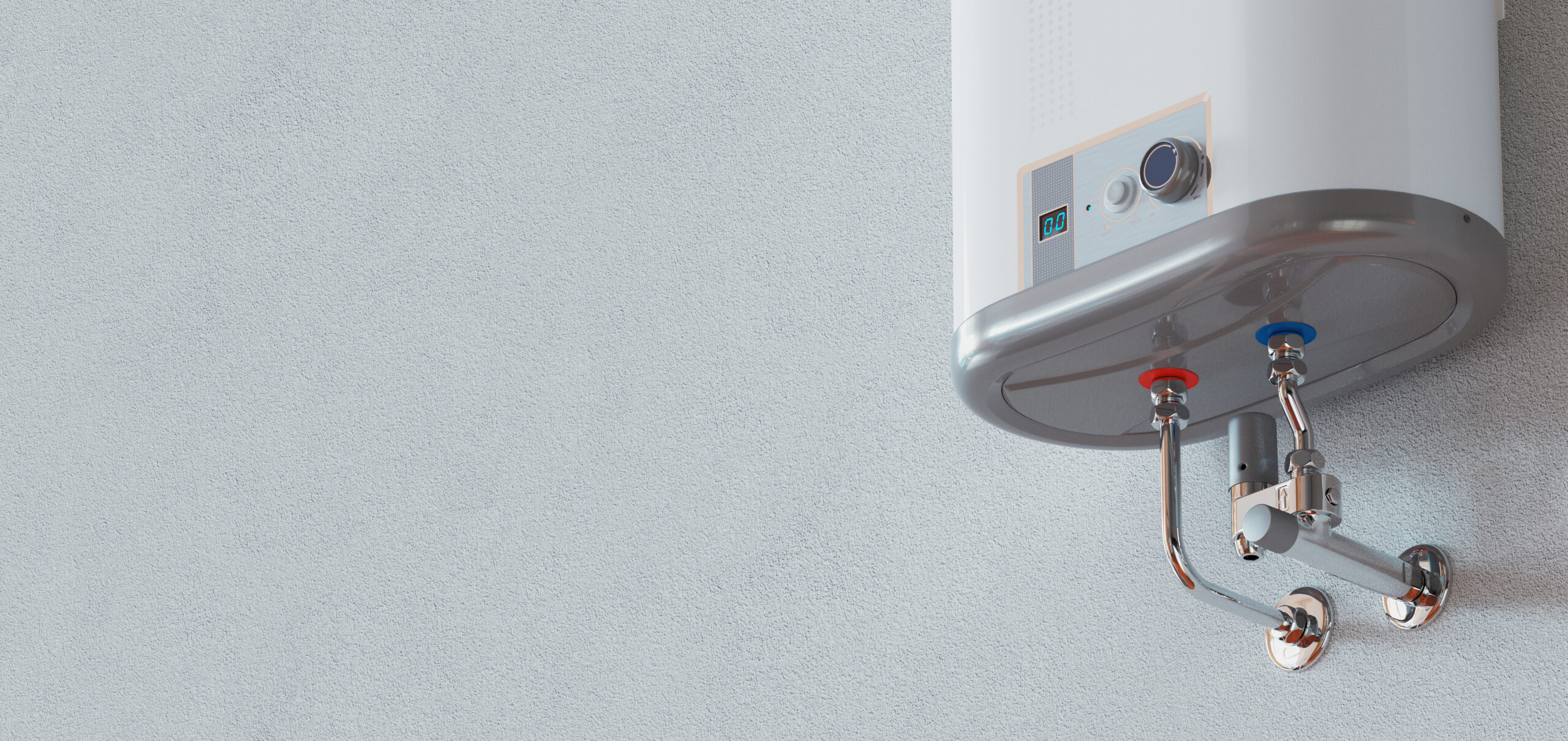
A tankless water heater, often called an on-demand water heater, is a compact appliance that heats water only when needed. Unlike traditional systems that continuously heat a reservoir of water, tankless units activate the heating process the moment you turn on a hot water tap. Here’s what that means practically: no more waiting for a tank to refill or worrying about running out of hot water mid-shower.
Cold water flows through a heat exchanger, typically powered by electricity or gas, which rapidly warms the water to the set temperature before it ever exits your tap. This efficiency in function also translates into efficiency in energy use. Because it’s not maintaining a reserve of heated water 24/7, a tankless system can significantly reduce energy bills over time.
The Key Advantages of a Tankless Water Heater
The immediate benefit is space. Tankless models are compact and easily mountable on walls—even in tight closets—freeing up valuable square footage. This feature is especially impactful in homes where maximizing utility space is critical.
Another headline advantage is energy savings. According to the U.S. Department of Energy, homes using 41 gallons or less of hot water daily can see energy savings of 24 to 34 percent when using tankless heaters compared to conventional storage tanks. Over time, this efficiency can lead to substantial reductions in operating costs.
There’s also the upside of longevity. A well-maintained tankless unit has a longer operational lifespan—averaging 20 years or more, as opposed to the 10 to 15 years typical of storage tank systems. This combination of energy efficiency, durability, and design economy makes the tankless water heater a logical investment for updated or newly designed homes.
Common Drawbacks to Consider
No system is flawless, and the tankless water heater is no exception. First, there’s the initial cost. Upfront expenses for a tankless system—and its professional installation—are notably higher than conventional tank systems. Complexity in modifications needed to retrofit existing plumbing can push the price further.
Next, there’s flow rate to consider. While tankless heaters are efficient, they can struggle to deliver hot water to multiple sources simultaneously. If two or more hot water devices are in use—a shower and a washing machine, for example—the system might not keep up, depending on its capacity. This makes proper sizing and installation crucial.
Finally, ongoing maintenance is actually a plus and a minus. While it preserves lifespan, the unit does require descaling at least annually depending on local water hardness. Missing this step can lead to reduced efficiency and potential damage. Still, for most homeowners, manageable maintenance is a trade worth making.
Is It Right for Your Home?
Before making the switch, consider your household size and hot water usage habits. Single-user households or those with modest water demands often reap immediate benefits. Larger families or homes using multiple hot water sources simultaneously may need multiple units or a hybrid system to avoid performance limitations.
Climate can also influence your decision. In colder regions, where incoming water is significantly cooler, the heater must work harder to reach desired temperatures. Proper unit selection and installation here are especially important to ensure reliable year-round performance. An experienced professional can assess your exact requirements and help determine if going tankless is the most effective route.
Tankless Water Heaters and Home Warranties: What’s Covered?
Integrating a tankless water heater into your home’s infrastructure also means ensuring it’s adequately protected—and that protection often comes from a robust home warranty policy. Unlike homeowners insurance, which covers structural damage, a home warranty focuses on systems and appliances. That includes water heaters, traditional or tankless. When choosing a home warranty provider, it’s essential to confirm that tankless systems are not excluded due to their differing mechanics or installation requirements.
Armadillo’s home warranty coverage, for example, is structured to cover essential home systems, with eligibility criteria tailored for newer technologies like tankless heaters. This is especially valuable given their higher upfront replacement costs. Clear, agreeable terms backed by prompt service make budget management simpler when inevitable wear and tear takes its toll.
Maintenance Tips to Maximize Lifespan
Just like exposed brick needs occasional sealing or cleaning to preserve its integrity, tankless water heaters require deliberate upkeep to perform at their best. Start by scheduling an annual descaling to avoid internal mineral buildup. In areas of hard water, installing a water softener gives an added layer of protection, helping prevent damage and performance degradation.
Additionally, clean the inlet filter regularly to ensure water flows without obstruction—usually every six months is sufficient. Hire a qualified technician for any visible issues like leakage, error codes, or unusual noises. Staying proactive limits emergency service calls and extends the longevity of the investment.
Why Choose Armadillo to Protect Your Tankless Water Heater
A tankless water heater is a forward-thinking home upgrade—but like all appliances, it’s not immune to wear, malfunctions, or surprise costs. This is where Armadillo steps in. Designed with modern homes in mind, our home warranty solutions align with both standard and advanced system coverage needs. If you’ve made the smart move of installing a tankless unit, or you’re planning to invest soon, ensure your coverage evolves with you. Armadillo offers customizable protection plans that support today’s home living needs, from innovative appliances to traditional workhorses.
Start with the right plan for your household. Learn more at armadillo.one or begin your personalized selection process at this link. We’re in the business of making sure reliable hot water is never something you have to second-guess.