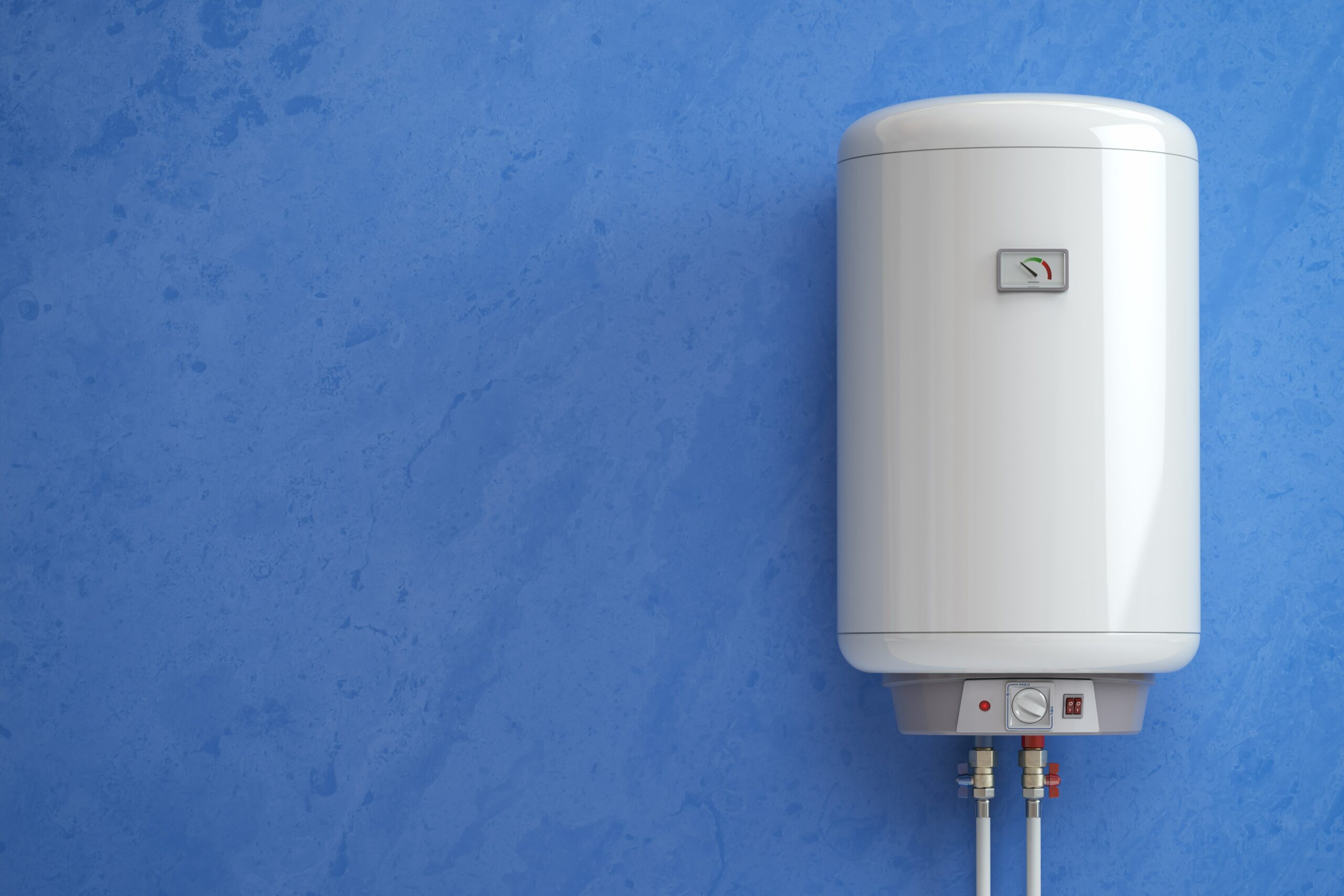
What Every Homeowner Should Know About Water Heaters
A reliable water heater is one of those home essentials you don’t think much about—until it breaks. Whether you’re stepping into a freezing shower or trying to wash dishes with cold water, a malfunctioning water heater can bring everyday routines to an abrupt standstill. Understanding how water heaters work, their benefits, limitations, and what to look for in a home warranty plan can empower you to protect both your comfort and wallet.
Understanding the Role of a Water Heater in Your Home
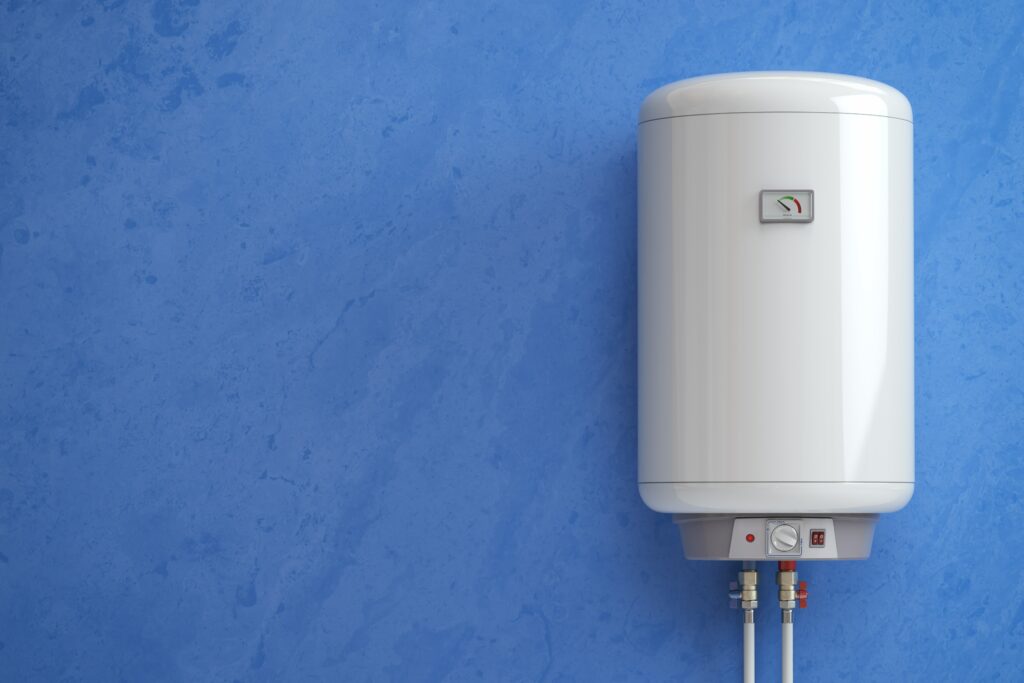
A water heater’s job is deceptively simple: it heats your home’s water for use in bathrooms, kitchens, laundry rooms, and other fixtures. Most homeowners rely on one of three primary types: storage tank water heaters, tankless water heaters, or hybrid models. The function—heating water safely on-demand or storing it for later use—is the common thread. Despite being tucked away in a basement or closet, this appliance impacts multiple daily routines across your home.
How a Water Heater Works: Behind the Curtain
Storage tank water heaters are the most traditional and widely used. These heaters contain an insulated tank that holds 30 to 80 gallons of water, depending on the model. Cold water flows into the tank, and either a gas burner or electric heating element warms it. A thermostat monitors internal temperature so hot water is always ready on demand. When hot water is used, cold water is directed into the tank, repeating the cycle.
Tankless water heaters take a more modern approach, heating water only as it passes through the unit. Instead of storing reserves, they instantly heat water via high-powered burners or electric coils. While they’re more efficient over time, they tend to cost more upfront and may struggle to keep up with simultaneous demands across multiple fixtures.
Hybrid heat pump water heaters combine elements of both traditional and tankless systems and use ambient air temperature to regulate water heat. They tend to be more energy-efficient but are sensitive to placement and room temperature, often limiting where they can be installed. Each system has use cases, advantages, and quirks to consider before buying or replacing one in your home.
Why Water Heaters Deserve Your Attention
Water heaters are one of the most heavily relied upon yet consistently overlooked systems in your home. On average, families use around 64 gallons of hot water every single day—for bathing, cleaning, cooking, and more. That continual demand places the water heater under constant pressure, leading to wear and tear that can be slow or sudden.
Beyond performance, there’s a financial dimension. Inefficient or aging water heaters can inflate utility bills due to standby heat losses or overcycling. Worse, a ruptured water heater tank can cause substantial water damage if leaks go undetected. Replacing a water heater prematurely can cost upwards of $1,500 to $2,500, depending on the model and labor conditions. A home warranty with water heater coverage can mitigate that exposure and make unexpected repairs or replacements far more manageable.
Common Problems and Practical Solutions
Most water heaters aren’t prone to high-maintenance issues, but when problems arise, they often do so without much warning. Among the most frequent issues homeowners face are a lack of hot water, water that overheats, strange noises, or visible leaks. Sediment buildup inside the tank can reduce efficiency and lifespan. Corrosion, failed thermostats, pressure valve malfunctions, and mineral scaling can also degrade performance over time.
If your water takes longer to heat or runs out faster than normal, check the thermostat and flush the tank to clear sediment. A rumbling or popping sound inside usually hints at scaling on the heating element. Water leaks should be addressed immediately—shut off both power and water supply and contact a licensed technician. Staying proactive with simple maintenance, such as flushing the tank annually and replacing anode rods every few years, can dramatically extend a unit’s useful life.
Advantages That Make Modern Water Heaters Smarter Choices
Today’s water heaters offer better reliability, improved energy efficiency, and more design flexibility than units manufactured just a decade ago. Tankless models eliminate the need for bulky storage, while hybrid units save significant energy in warmer climates. Some modern units come with Wi-Fi capability and self-diagnostics for smarter operation and easier maintenance. Consumers replacing old, inefficient models often see a 15 to 30 percent reduction in energy usage with newer models.
Warranties provided by manufacturers typically last between 6 and 12 years, depending on the build quality and model. However, manufacturer warranties rarely cover the most critical aspect for homeowners: the cost of installation, removal, and access repairs. That’s where a comprehensive home warranty stands out—it can offer coverage for items outside the limited scope of the manufacturer, especially for systems under regular stress like hot water heaters.
Drawbacks Worth Considering Before You Choose
While modern technology has elevated water heaters to new efficiency standards, no option is without limitations. Tankless heaters often come with a steep installation cost, and depending on their flow rates, may not support two or more hot water activities simultaneously. They can also require more substantial electrical or gas certifications to install correctly, particularly in older homes.
Tank models, while affordable, are large and can run inefficiently, especially toward the end of their service life. They also represent a higher risk of catastrophic leaks when they fail. Hybrid models rely heavily on the air temperature around them. In colder spaces, like garages or unfinished basements, their performance drops significantly. Understanding these drawbacks allows you to plan effectively—and underscores why being protected by a home warranty is a smart, long-term play for managing risks.
Protecting Your Hot Water System with Armadillo
Homeownership calls for continual maintenance and attention to detail, especially when it comes to essential systems like your water heater. The potential cost of repairs or replacements can catch anyone off-guard, which is why a home warranty backed by industry experts makes all the difference. Armadillo offers customized home warranty plans designed with today’s homeowner in mind—including coverage for water heaters, whether traditional, tankless, or hybrid. Their plans seamlessly connect you to reliable service providers while covering the expenses that standard warranties often miss. Visit Armadillo to learn more about how your water heater (and your peace of mind) can benefit from the right protection. Ready to get started? Build your perfect plan today through the Armadillo Plan Builder, and make your next shower something you never have to think twice about.