Why Is Your Circuit Breaker Tripping Randomly? Causes, Fixes, and What It Means for Your Home
Electrical issues are among the most common—and potentially frustrating—challenges homeowners encounter. One that rarely announces itself loudly, but quietly and persistently interrupts your daily flow, is a circuit breaker that trips for seemingly no reason. Whether during peak usage or seemingly at random, these interruptions can cause confusion or signal more significant problems. Understanding why a breaker trips unpredictably, how grounded circuits function, and when to seek professional support is critical knowledge for any homeowner invested in maintaining a safe, efficient, and protected household. Let’s break it down.
What Is a Circuit Breaker, and What Role Does It Play in Your Home?
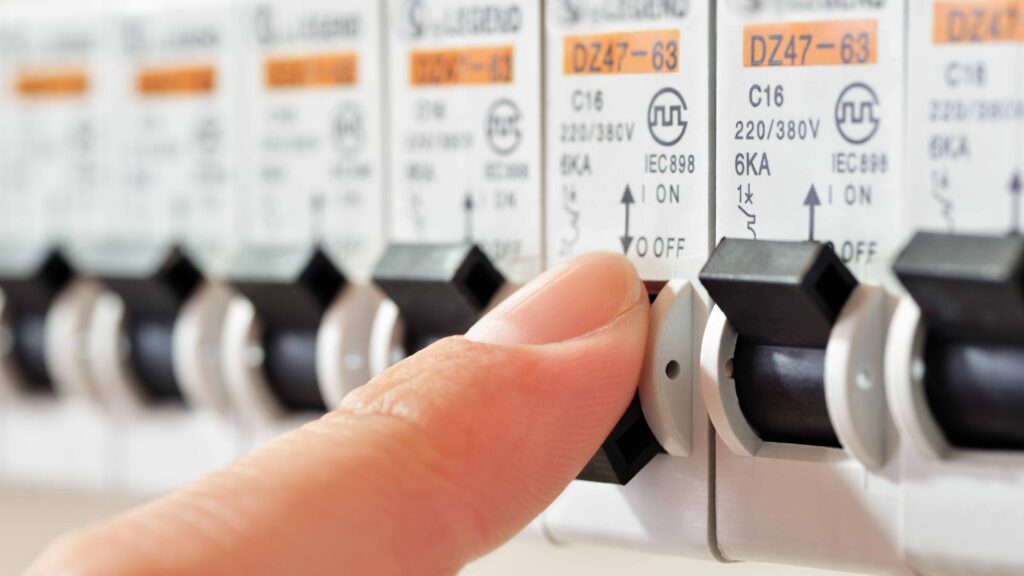
A circuit breaker is the unsung hero tucked away in your electrical panel. It’s a safety mechanism designed to protect your home’s electrical system from overloads and short circuits. When too much current flows through a circuit, the breaker cuts power to prevent components from overheating or sparking a fire. In short, it functions as your home’s electrical gatekeeper—regulating and protecting critical systems by shutting down when something isn’t right. If a breaker trips now and then during a high energy load (say, running your microwave, air fryer, and toaster all at once), that’s expected. But tripping randomly? That’s something altogether different.
What Causes Random Breaker Tripping?
If your breaker is tripping sporadically, chances are something more complex is going on. One of the more common culprits is grounding. Ground faults occur when the hot wire touches a ground wire or part of the metal electrical box, creating an unintended path to ground. This misdirection can trigger the breaker to trip—even if it happens subtly, outside your line of sight. Ungrounded outlets, older wiring, or improper installations can increase the likelihood of these faults emerging over time. Grounded issues typically reveal themselves inconsistently, which is why a breaker might trip on a random Tuesday afternoon and behave the rest of the week.
How Does a Ground Fault Work in Your Electrical System?
Your home’s electrical system has three wires per circuit: hot (live), neutral, and ground. Under normal conditions, electricity flows through the hot wire into your devices, circulates, and exits through the neutral wire. The ground wire, which connects exposed metal parts of appliances to the earth, acts as a backup route in case of a fault. When that path becomes active—say, if a hot wire mistakenly comes into contact with the grounded surface—the breaker is designed to sense that imbalance and shut off power immediately. These aren’t just nuisance trips; they are proactive interventions designed to prevent electric shock or fire.
Common Appliances That Can Cause Ground Faults
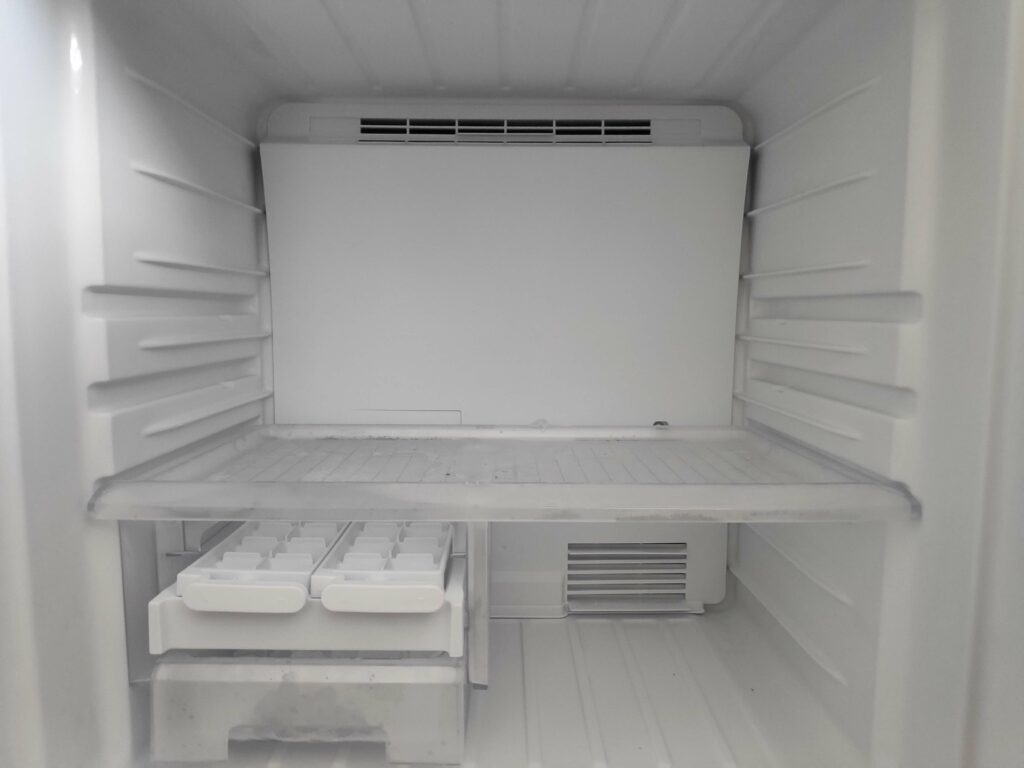
While faulty wiring is often behind mysterious breaker trips, specific household appliances tend to be repeat offenders in causing grounded issues. Portable space heaters, outdoor landscaping equipment, even aging refrigerators can develop minor internal shorts over time that touch grounded paths inside their casing. Whenever these appliances operate, even momentarily, they could cause the breaker to react. Not every appliance failure is visible—a worn-out motor or corroded cord might not produce sparks—but the breaker notices. This is where a call to a licensed electrician becomes more than advisable. It’s a safety imperative.
Troubleshooting Tips and When It’s Time to Act
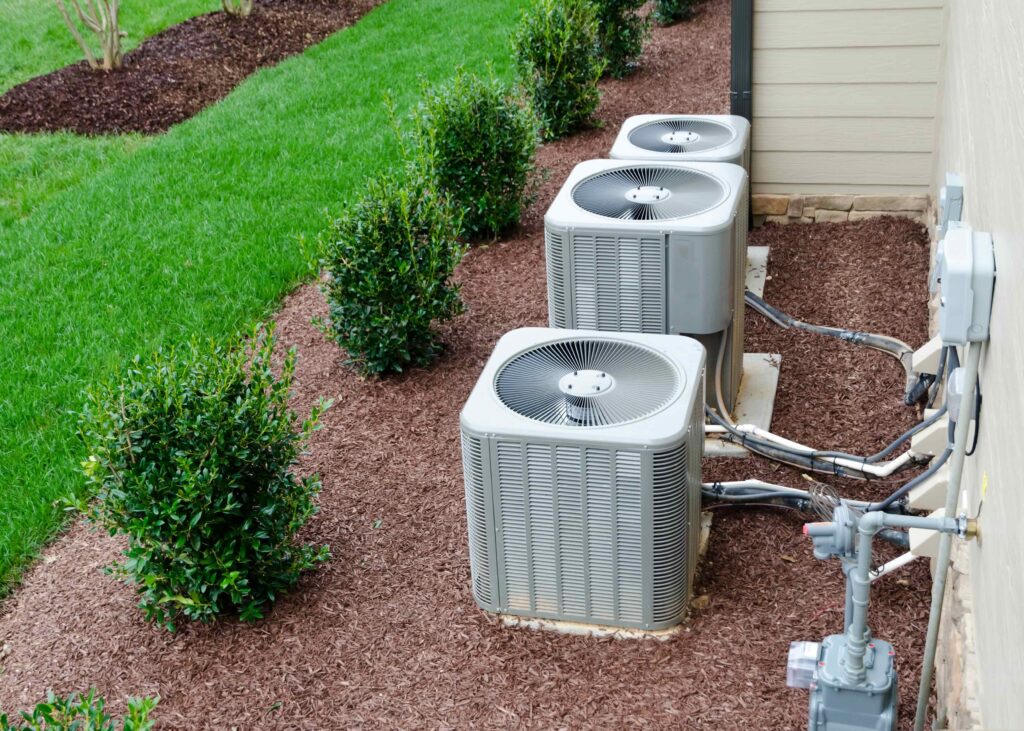
Before jumping to conclusions, take a moment to observe. Is the breaker tripping when the same appliance turns on? Has there been any recent work near outlets or the panel? Are outdoor GFCI receptacles exposed to moisture? Cycling appliances—like air conditioners, dishwashers, or dehumidifiers—can conceal electrical inconsistencies that appear only under certain power demands. If your lights flicker or breakers overheat before tripping, those are strong warning signs. While replacing the breaker might seem like an easy fix, doing so without addressing the root cause can risk compounding the underlying issue. Ground faults tied to aging infrastructure or overworked wiring often necessitate a more thorough inspection.
Long-Term Solutions Homeowners Should Consider
Beyond just keeping flashlights close for the next unexpected outage, tackling an electrical vulnerability at its source is the most sustainable course. This may involve upgrading your electrical panel, especially if your home was built before modern circuit safety standards like AFCIs and GFCIs became code. Investing in a licensed electrical inspection can also uncover hidden hazards, such as improperly grounded outlets or overloaded circuits. Smart breaker systems now offer diagnostic insights using connected technology—giving you alerts when circuits are at risk, not just after they’ve already shut off. These enhancements can not only prolong the life of your home’s wiring but also elevate your peace of mind.
Protecting Your Home (and Your Wallet) with Armadillo
Random breaker trips may seem like a minor nuisance, but they often point to deeper infrastructure concerns that shouldn’t be ignored. From appliances that quietly deteriorate from within, to aging wiring hidden behind drywall, your home’s electrical system is doing more work than meets the eye. That’s where Armadillo can help. A comprehensive home warranty from Armadillo doesn’t just shield you from unexpected repair costs—it provides meaningful support when you need it most. If a circuit breaker repeatedly trips and damages an appliance, Armadillo can step in with coverage and expert assistance that keeps your life moving forward. Learn more by visiting our homepage, or get started with a customized plan that suits your home’s needs by using our Plan Builder. Electrical peace of mind? That’s just smart planning.