What Every Homeowner Should Know About HVAC Systems and Warranty Protection
When you think about what keeps your home comfortable year-round, a few systems probably rise to the top of the list. Chief among them is your HVAC system—Heating, Ventilation, and Air Conditioning. It’s the unsung hero humming quietly behind your walls and ceilings, shifting seamlessly between heating in winter and cooling in summer. But while it’s easy to take your HVAC system for granted, understanding how this complex infrastructure works—and the protection a home warranty can offer—is essential for every homeowner. The decisions you make about your system now can mean the difference between a cozy, worry-free season and unexpected, often expensive breakdowns.
Understanding the HVAC System: The Essentials
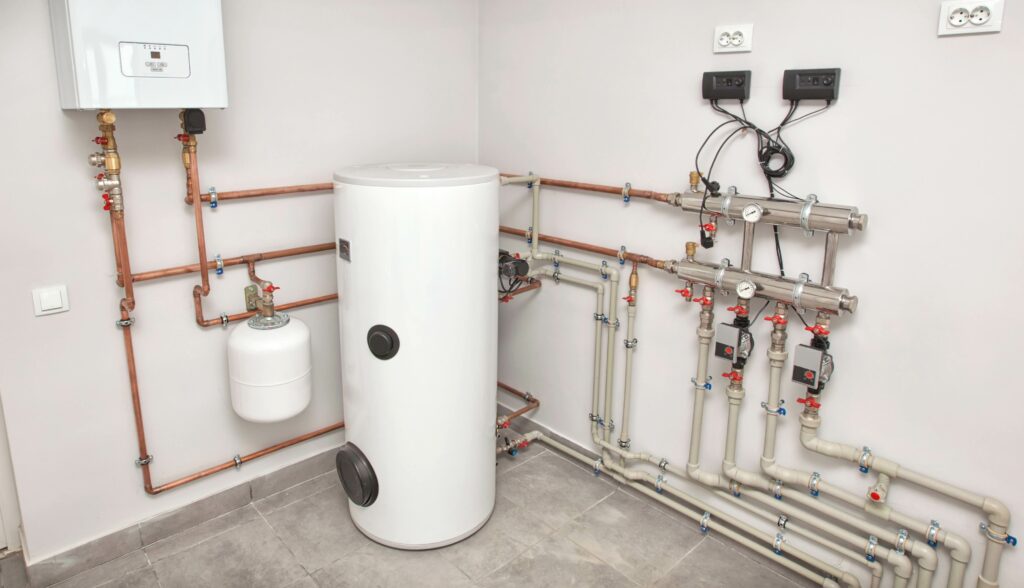
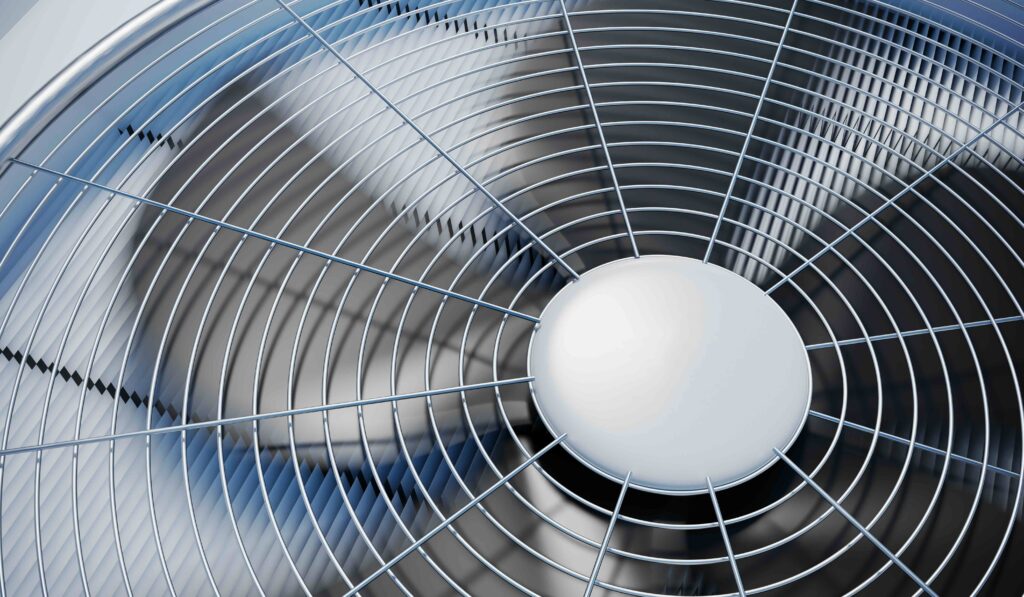
An HVAC system is a core component in any modern home infrastructure. It regulates indoor temperature and air quality through heating, ventilation, and air conditioning mechanisms. These systems typically consist of a furnace or heat pump for heating, an air conditioner or cooling system for temperature regulation, a blower or air handler for distributing air, and ductwork to move the air throughout the house. Thermostats facilitate control, often working together with smart home technologies to optimize performance.
Your HVAC system doesn’t just heat or cool—it maintains consistent humidity levels, filters allergens and pollutants, and ensures your air circulates efficiently. It’s a system that balances energy efficiency, indoor air quality, and overall comfort. However, this balancing act only functions as long as the components are well-maintained and performing correctly. When one element fails, the whole system typically suffers, and so do your utility bills. That’s where an HVAC warranty becomes not just valuable but vital.
How an HVAC Warranty Can Protect Your Peace of Mind
HVAC systems are one of the priciest features in a home to repair or replace. Costs to fix a malfunctioning AC coil or blower motor can reach into the hundreds—or thousands—quickly. A new furnace installation? That could set you back $4,000 to $7,000, depending on the unit and your home’s square footage. If your system fails outside its original manufacturer’s warranty, that financial responsibility falls squarely on your shoulders.
A home warranty steps in where traditional appliance and manufacturer warranties leave off. It covers normal wear and tear on your HVAC unit and its internal components once the original warranty expires. The coverage typically includes critical parts like compressors, condensers, evaporator coils, furnaces, internal wiring, and thermostats. With an HVAC warranty in place, homeowners can avoid paying full price for sudden repairs, instead submitting a claim and paying a modest service fee when problems arise.
Benefits of Including HVAC Coverage in Your Home Warranty
The convenience of HVAC coverage extends beyond cost savings. First, homeowners no longer need to scramble to find a reputable technician when the system breaks down. Home warranty companies connect you with pre-vetted professionals who specialize in diagnosing and repairing HVAC issues efficiently. Second, it encourages proactive maintenance through frequent inspections or service requests when performance seems off—catching small issues before they become system-wide failures.
Another advantage is predictability. With home ownership comes plenty of unexpected costs—roof leaks, plumbing hiccups, appliance failures. Including HVAC protection in a home warranty package allows for better budgeting throughout the year by limiting surprise expenses. Whether you’re dealing with a stifling August afternoon or a frigid January morning, the peace of mind that comes with knowing your HVAC is protected is, frankly, invaluable.
Common Drawbacks and Coverage Limitations
Like any type of insurance or service contract, HVAC warranties have limits that homeowners need to understand clearly. Not every failure will be covered. For example, if damage stems from poor maintenance or pre-existing conditions, your claim may be denied. Likewise, if parts are damaged due to improper installation or code violations, you might bear the full cost of repair.
It’s also important to recognize that most home warranty plans exclude items considered auxiliary, such as window units, portable heaters, or systems designed for multiple-family dwellings. Misconceptions around what constitutes “normal wear and tear” also lead to claim denials. That means you must maintain compliance with the warranty terms, including regular maintenance by licensed professionals.
Essential HVAC Maintenance Tips for Homeowners
Routine HVAC upkeep not only extends the lifespan of your system but also preserves its coverage eligibility under most home warranties. Start with replacing filters every 30 to 90 days to support clean airflow and prevent system strain. Schedule professional tune-ups at least twice a year—typically once in spring for cooling and once in fall for heating seasons. Clear debris around outdoor units and ensure ducts are not obstructed or leaking.
Keep an eye on how quickly your home heats or cools, and take note of any unusual noises, smells, or cycling behaviors. These early warning signs can indicate trouble that, if addressed quickly, will likely remain within the scope of a standard warranty claim. Document all service calls and keep records of maintenance—it could save you a lot of back-and-forth during a claim approval process.
When to Rely on Your Home Warranty vs. Calling an HVAC Specialist
Home warranties are a powerful tool, but knowing when and how to utilize them is key. If your heating or cooling stops functioning entirely, your first step should generally be to file a claim with your home warranty provider. They’ll dispatch a licensed contractor from their network who understands the equipment specifications and warranty requirements. However, in emergencies where safety is a concern—such as gas leaks, smoke, or flooding from HVAC drainage—contact emergency services or a licensed HVAC specialist directly first, then loop in your warranty provider.
For minor issues like odd odors, inconsistent airflow, or strange sounds, submitting a claim can provide peace of mind and help uncover underlying issues early. But if you suspect something on the periphery of HVAC—like attic venting or structural ductwork—is the true culprit, a specialized assessment might better target the problem.
Protecting Your Home Comfort Investment with Armadillo
HVAC systems are not just luxuries; they’re necessities for modern living. The right home warranty helps shield homeowners from financial volatility, unexpected system failures, and repairs that often happen at inconvenient times. With Armadillo, you gain access to comprehensive home warranty coverage that includes HVAC system protection designed for today’s homes and homeowners. You shouldn’t have to choose between your comfort and your budget when things go wrong.
Armadillo makes it simple to choose a plan that fits your home’s needs. With transparent terms, reliable contractor networks, and a tech-forward claim process that doesn’t leave you waiting around, it’s the kind of protection that feels proactive instead of reactive. Visit armadillo.one for more details on our home warranty offerings, or get started today by building your personalized plan with our Plan Builder. Protect your comfort, protect your investment—without overcomplicating it.