What Is a Diverter Valve and Why Homeowners Should Understand It
As a homeowner, you regularly interact with your home’s plumbing—sometimes without even realizing it. One specific component, the diverter valve, often works unnoticed in showers and faucets, but plays a key role in how water flows through your home. If you’ve ever pulled a lever on your tub spout to activate a shower, you’ve used a diverter valve. Yet despite its importance, few homeowners are aware of how it functions, why it matters for comfort and efficiency, or its role in home protection under plumbing systems. Understanding what a diverter is and when it may require repair or maintenance isn’t just practical—it’s essential. Especially when it comes to protecting your home through a home warranty, knowing how systems like this one function could help avoid costly surprises.
Understanding the Basics: What Is a Diverter?
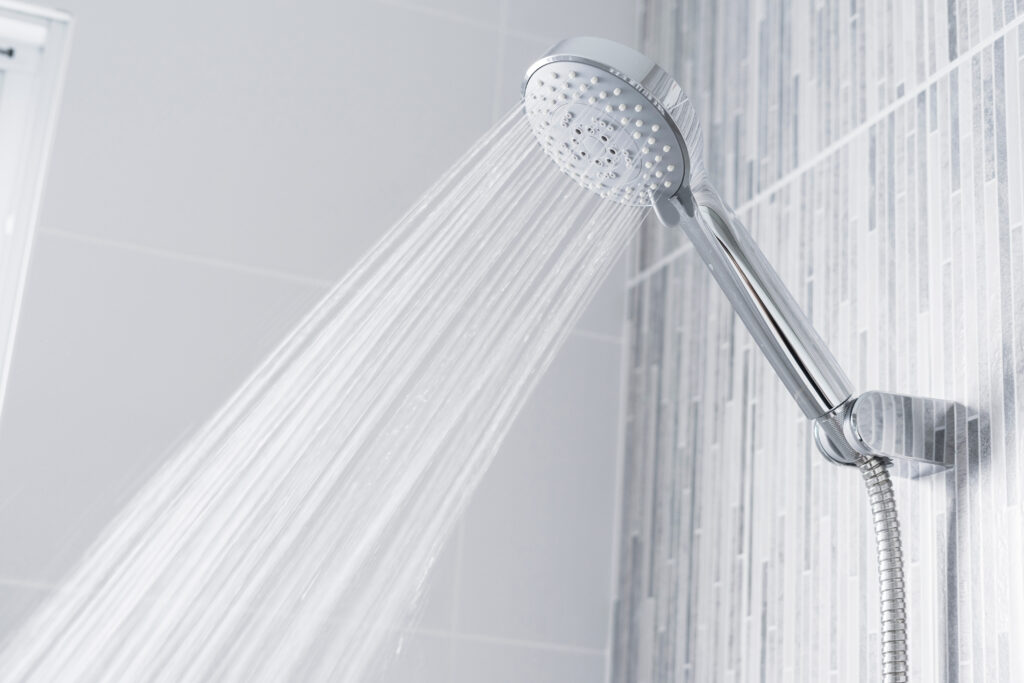
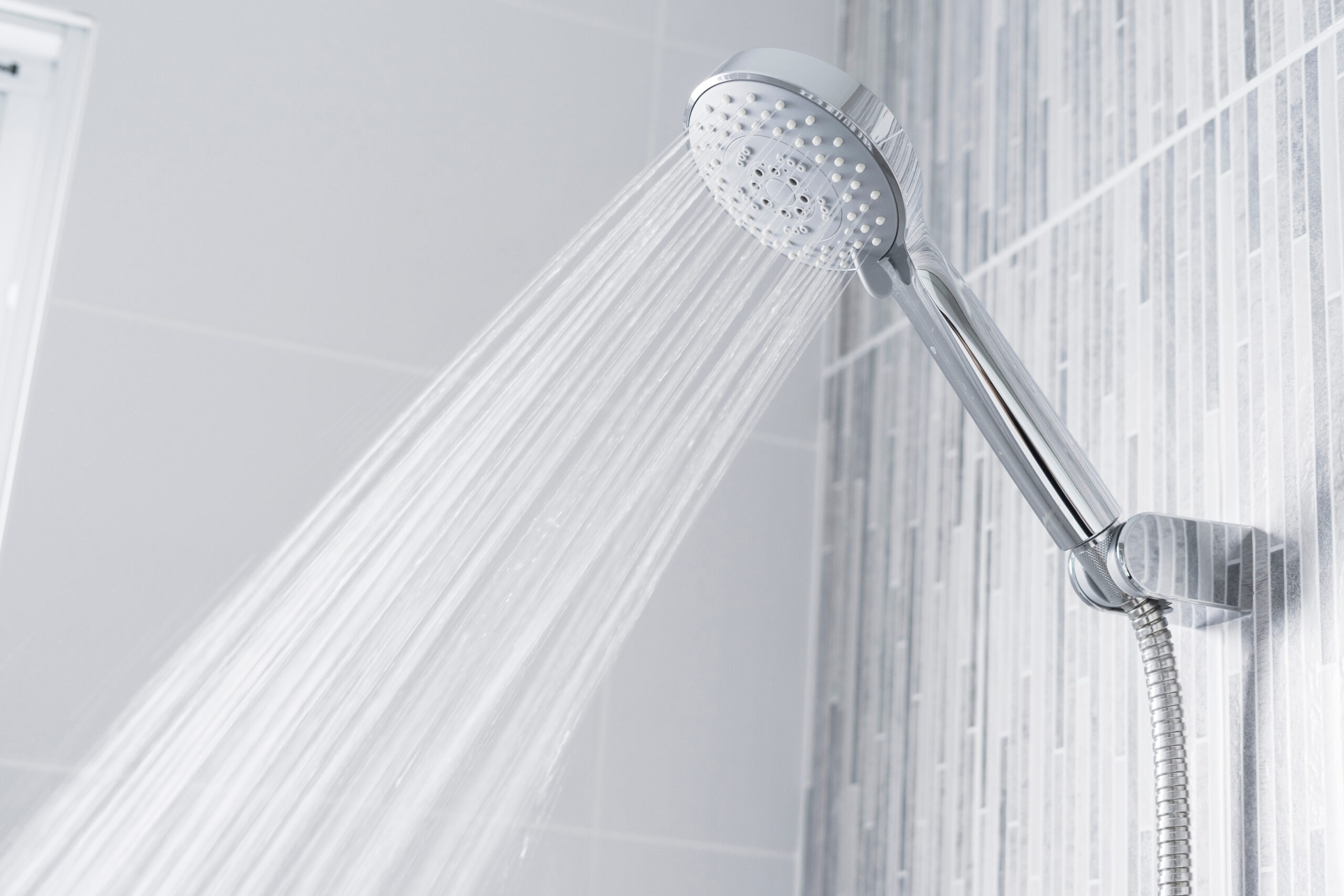
A diverter valve is a mechanical device designed to control the direction of water flow within a plumbing system. In residential households, diverter valves are most commonly found in bathroom fixtures, particularly in combination tub-and-shower setups. When you turn on the water in these systems, the water typically flows out of the tub spout by default. Engaging the diverter shifts that flow upward to the showerhead. Although shower diverters are the most familiar type, diverters also exist in kitchen faucets, outdoor hose bibs, irrigation systems, and even in HVAC or hot water recirculation lines. While diverse in their applications, their purpose remains the same—to redirect flow according to user control. This small component drastically affects how convenience and efficiency manifest in a plumbing system.
How a Diverter Valve Works
The actual mechanism behind a diverter valve is fairly straightforward but cleverly engineered. Inside the valve body, you’ll find a gate or piston-like structure that shifts position when a user engages a switch or handle on a fixture. In a tub-shower system, for instance, pulling a lever on the spout causes the internal diverter to rise and seal the tub spout, forcing the pressurized water to redirect up through the shower pipe. In kitchen faucets, a diverter redirects water from the main spout to the side sprayer. More sophisticated diverters can be found in thermostatic mixing valves or even within HVAC systems, where they help distribute hot water or air to different zones. Typically, diverters use rubber washers and seals to prevent leaks, which means they are susceptible to wear over time. When a diverter malfunctions, water may flow from both the showerhead and tub spout simultaneously or struggle to switch directions altogether. Understanding that failure points exist highlights the importance of both preventive maintenance and knowing whether such issues are covered under your home warranty.
Advantages of Diverters in Home Systems
Diverter valves offer several key advantages in modern home systems. First, they allow homeowners to switch between different water outlets easily, which enhances space efficiency and utility in a bathroom without requiring separate plumbing installations. Second, diverters can help conserve water by channeling flow precisely where it’s needed without unnecessary waste. Energy efficiency also benefits, particularly when diverters are included in hydronic heating systems or hot water recirculation configurations. Third, their design supports convenience; a single control mechanism becomes a gateway to multiple functions. That kind of versatility increases the usability of systems while reducing installation complexity. Lastly, diverters help preserve appliance quality by regulating flow properly. They add a kind of behind-the-scenes predictability—and in home plumbing, predictability often means fewer emergencies and lower long-term costs.
Common Issues and Drawbacks
Despite their benefits, diverter valves are not immune to problems. Because many models include rubber gaskets or washers to create tight seals, long-term exposure to hard water or mineral build-up can cause deterioration. Some common signs of a faulty diverter include weak or partial flow to the showerhead, leaking from unexpected areas, or difficulty switching between modes. Mineral deposits, rust, or mechanical fatigue from daily use can restrict motion or lead to internal leaks. In some cases, homeowners attempt to fix diverters themselves, only to discover that access may require disassembling certain wall-mounted fixtures, which quickly escalates from a DIY project into a contractor-level repair. It’s also worth noting that diverters—though small—can be a point of systemic failure that leads to more visible damage such as mold growth from persistent leaking, which may not be insured under basic homeowners insurance. Here’s where understanding your home warranty coverage becomes valuable. Knowing whether diverter-related failures are included in protection plans enables smarter decision-making when you first notice symptoms of malfunction.
When to Replace or Repair a Diverter Valve
Most diverter valves have a lifespan of five to ten years, depending on usage volume and water quality. Soft water environments tend to extend duration, while systems with untreated hard water typically wear faster. If a diverter becomes difficult to operate, begins leaking, or fails to redirect flow properly, it should be inspected immediately. Minor issues such as degraded seals may be handled by a plumber with relatively low cost. However, some integrated diverters—those built into wall-mounted faucets or cartridges—cannot be serviced individually and require full fixture replacement. Timely diagnosis can prevent water waste, reduce risk of fixture damage, and preserve the life of your plumbing hardware. Regular inspections during scheduled maintenance is the best prevention tactic. And more importantly, check your home warranty to understand how malfunctions like these are treated during a covered repair event.
Diverters and Home Warranty Coverage
In the context of a home warranty, diverter valves typically fall under coverage for “plumbing systems,” depending on your plan provider. Because they are essential components of shower and faucet functionality, diverters are often included in covered parts for water delivery and control. However, certain issues like corrosion from poor water chemistry, improper installation, or lack of maintenance may disqualify claims if stated in the fine print. Therefore, it’s essential to work with a reputable home warranty company that offers transparency and specific guidance on what’s included. When reviewing a warranty contract, search for terminology like “faucet diverters,” “shower mixer valves,” or “internal valve components.” These clauses indicate whether a diverter would be repaired or replaced if it fails due to standard wear and tear. Knowing your diverter is protected means you can rely on a functioning fixture without worrying about plumbing bills that creep past your budget.
Protecting Your Plumbing System with Armadillo
If you’d prefer not to be caught off guard by a malfunctioning diverter—or any plumbing component, for that matter—your best defense is the right home warranty coverage. Armadillo offers comprehensive service plans that include critical plumbing elements such as diverter valves, faucets, and more. By protecting your home from systems-level issues with a responsive repair policy, Armadillo ensures that small inconveniences don’t turn into larger, costlier problems. Visit armadillo.one for full details, or begin customizing your protection plan by entering your ZIP code at this link. When your diverter works exactly as it should, you don’t notice it. With Armadillo, you never have to worry about it again.