Window AC Units: Best Value Options and What Every Homeowner Should Know
When summer heat rolls in, staying cool becomes more than a comfort—it’s a necessity. Window air conditioning units are often the go-to solution for cooling individual rooms without overhauling your entire HVAC system. But what exactly are they? How do they compare to other cooling options in terms of cost, performance, and long-term reliability? And, importantly, how do they factor into the broader context of your home’s systems and protection under a home warranty? This guide provides a comprehensive, homeowner-centered look at everything you need to know about window AC units, from how they work to why they might be the right upgrade for your space.
What is a Window Air Conditioner and How Does It Work?
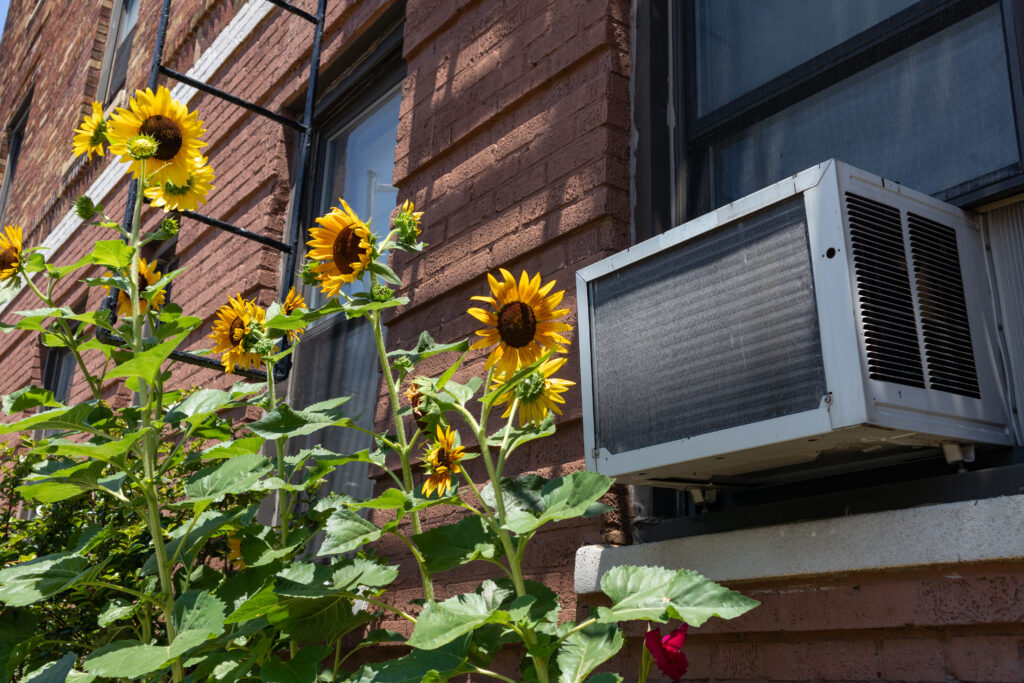
A window air conditioning unit is a self-contained appliance designed to cool a single room or space. Installed through a window, these compact systems draw in warm air from the room, cool it using refrigerant and a set of internal coils, and then recirculate the cooled air back into your living space. Hot air and moisture are expelled from the back of the unit, usually outdoors, making the placement critical to performance. The key advantage here is that all major components—compressor, condenser, and evaporator—are housed in a single, transportable box, making installation faster and more affordable than central air conditioning systems or ductless mini-split setups.
Key Benefits of Using a Window AC Unit
There’s a reason window AC units continue to be one of the most widely used types of room air conditioning. First, they’re budget-friendly. With prices ranging from $150 to $500 depending on the energy efficiency and cooling power, a window unit delivers localized comfort without the significant investment of installing central air. Energy consumption can also be more efficient when cooling only the space you’re in, rather than regulating an entire home unnecessarily. Many models today come with Energy Star certifications, offering improved utility savings over time. In terms of flexibility, the units can easily be removed or transferred to another room, providing seasonal versatility without permanent installation.
Drawbacks of Window AC Units Homeowners Should Consider
Despite their affordability and ease of installation, window units are not without limitations. Their cooling capacity is generally restricted to single rooms or small open spaces. Expect diminishing returns if trying to cover larger or partitioned areas. Aesthetically, they’re not always ideal—they can obstruct views and create visible bulk both indoors and out. Installation itself, though simple, does require a compatible window type and may not be suitable for certain apartments or homes without support brackets. Sound is another consideration, as units can produce noticeable operating noise. Finally, while not overly complex, the mechanical components are prone to wear and tear, making them a moderate risk item when considering home warranty coverage plans.
How to Choose the Right Window AC Unit for Your Home
The right choice depends on the room size, energy efficiency, and your performance expectations. Begin by measuring your space. Cooling power is measured in BTUs—British Thermal Units—and as a rule of thumb, you’ll need about 20 BTUs per square foot. For example, a 250-square-foot room typically requires a 5,000 to 6,000 BTU unit. Consider advanced features such as programmable timers, sleep modes, and smart home integration for better control and energy management. Always check for an Energy Efficiency Ratio (EER) rating: the higher the number, the more efficient the unit. You’ll also want to ensure the electrical requirements of the unit match your home’s system, particularly if the unit needs a dedicated 220V outlet.
Maintenance and Warranty Insights: What Smart Homeowners Do
Maintenance for window AC units is minimal but necessary. Simple steps like regularly cleaning or replacing air filters, checking condenser coils, and ensuring proper drainage will improve performance and extend the unit’s lifespan. That said, these systems will eventually fail—especially if used for long stretches during peak summer months. Common issues include refrigerant leaks, faulty thermostats, or compressor problems, which can quickly turn a budget appliance into an unplanned expense. This is where aligning your home warranty with your appliance ownership becomes significant. Not all home warranty providers offer coverage for window AC units, but some do—especially when bundled with broader HVAC protection plans. Investigating your plan coverage before purchase or during installation is an essential move.
Comparing Costs: Window AC Units vs. Central Air and Mini-Splits
The affordability of a window AC unit is unmatched. While central cooling systems can run into the thousands, including installation and ductwork, a high-efficiency window unit can be installed in under an hour for a few hundred dollars. Ductless mini-splits, although a good middle ground between window units and central air, typically cost $2,000 to $5,000 per unit with labor. Window ACs, on the other hand, often require no professional setup unless your home has nonstandard windows. For homeowners looking to supplement an overworked central system or add AC to a specific room like an attic or garage conversion, a window unit offers noticeable benefits in both speed and cost. The trade-off remains the limited cooling capacity and shorter lifespan.
Why Armadillo Makes Sense for Protecting Your Cooling Appliances
Owning a window AC unit is a smart move for managing temperature on a budget, but it’s still one more system that can break down—often when you need it most. That’s why a home warranty plan with Armadillo is a valuable safeguard. Unlike many providers, Armadillo offers transparent coverage options that can be built around your specific home needs—including cooling systems. With quick claims processing, real technicians, and stress-free maintenance support, your home stays covered beyond just the basics. Learn more about the coverage options optimized for households like yours by starting at the homepage (https://www.armadillo.one) or customize your protection with the plan builder here (https://app.armadillo.one/plan-builder?current=zip). Investing in efficiency is good, but protecting that investment just makes sense.