What Every Homeowner Should Know About Lock Changes—and Why It Matters
When you move into a new home, perform renovations, or experience a break-in, one often overlooked yet critical aspect of protecting your property is changing the locks. For many homeowners, understanding how lock change services work—and how they intersect with home warranties—can help avoid costly surprises and enhance peace of mind. While it’s easy to relegate door locks to the background of home maintenance, this subtle component plays a decisive role in your home’s security. This article demystifies the lock change process, how it functions within the framework of home warranties, and what you—as a responsible homeowner—should expect along the way.
Understanding Home Lock Systems and Their Importance
At its core, a lock system protects the most vulnerable access points of your home: the doors. These mechanisms serve as both barriers and signals—deterring unwanted entry and reinforcing your sense of safety. Whether it’s a traditional deadbolt, a smart lock, or a keyless entry system, the engineering behind home locks has advanced considerably in recent decades.
Most homes today use pin tumbler locks, which involve a sequence of pins that align when the correct key is inserted. This allows the lock cylinder to turn and open the door. More sophisticated locks, such as electronic or biometric systems, eliminate the need for a physical key altogether. Regardless of the technology involved, the goal is the same: ensure secure ingress and egress with minimal vulnerability.
Now, why does this matter? Simple. If someone else might have a key—whether that’s a previous tenant, former homeowner, or someone with ill intent—your home’s perceived security melts away. This is why lock changes are a vital part of both moving into a new home and ongoing home maintenance.
How Lock Change Services Work
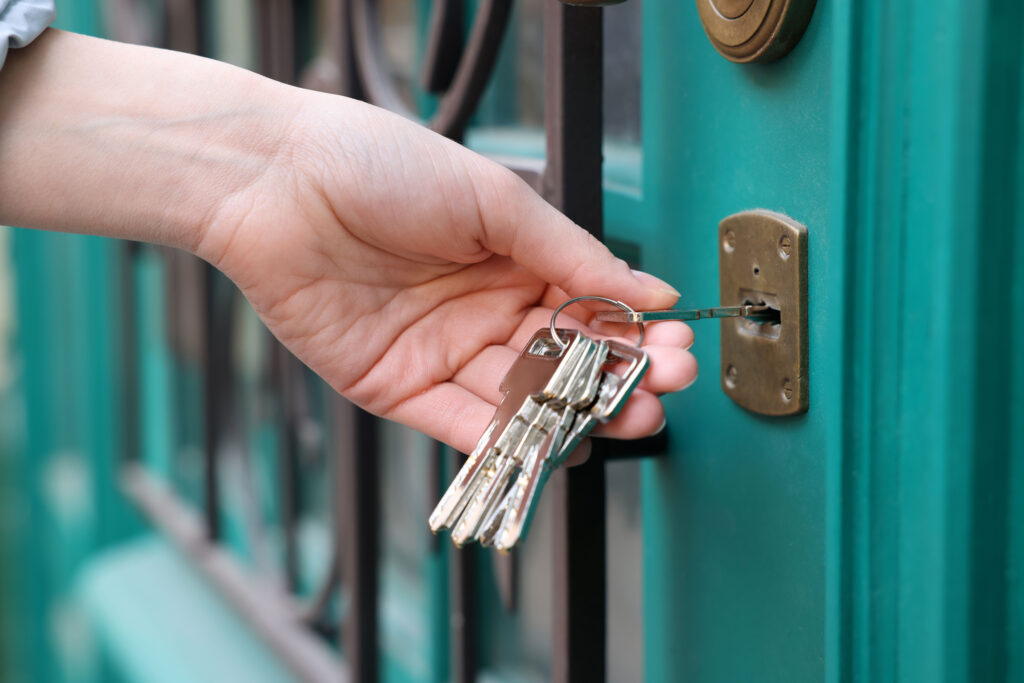
Lock change services typically involve either rekeying the existing locks or removing and replacing them entirely. Rekeying means adjusting the internal components of a current lock so that it can operate with a new key. It’s a cost-effective way to secure your home if the hardware is still in good condition. Lock replacement, on the other hand, involves installing brand-new locking mechanisms—something usually recommended if the current locks are outdated, damaged, or incompatible with your security needs.
The process starts with a professional locksmith assessing your home’s entry points. They’ll determine which doors require new locks and what level of security you need. Most licensed locksmiths can complete this process in a couple of hours, offering peace of mind with minimal disruption. In emergency situations—such as after a break-in—many lock change services offer same-day support to restore security swiftly.
Benefits of Changing Locks in a New or Existing Home
Changing your locks offers more than just comfort—it delivers control. Each time a lock is changed, you regain full ownership over who has access to your property. This is especially vital when moving into a new home, where you have no clear record of how many key copies were made or distributed by the previous occupants. In older homes, worn locks can make doors vulnerable to forced entry or manipulation. New lock installations offer stronger materials, better alignment, and enhanced resistance to tampering or “bumping.”
Keyless entry systems introduce further advantages. From remote locking and unlocking, to smartphone alerts and temporary code assignments, these modern alternatives offer both security and convenience. More homeowners are embracing smart systems not just for technical appeal but because they reduce human error—no more hiding keys under rocks or forgetting to lock up before bed.
Drawbacks and Misconceptions Every Homeowner Should Be Aware Of
Despite the clear security advantages, lock changes come with a few common hesitations. Chief among them is cost. While rekeying is generally affordable, upgrading to new lock hardware—especially smart or electronic systems—can be more expensive. However, it’s essential to weigh that cost against potential risks. A lock that fails or is compromised even once can result in expenses far greater than the cost of a security upgrade.
Another misconception is that changing locks is a do-it-yourself project. While hardware store kits make it appear simple, improper installation can lead to malfunctioning locks or misaligned deadbolts, which may result in security gaps or even door damage. This is why professional installation is advisable, particularly for homes insured under warranties that require professional servicing to remain valid.
Where Home Warranties Fit In
Many homeowners are unaware of the role home warranties can play in lock-related services. While not typically covered under basic plans, some home warranty providers include lock rekeying options, especially when residential turnover occurs. This is particularly true with providers that cater to modern home lifestyles and evolving homeowner expectations.
Armadillo, for example, offers tailor-made home warranty plans that extend far beyond traditional appliance coverage. While standard warranty packages may not include full lock replacements, add-on features or upgrades often address rekey services. Understanding the extent of your warranty coverage allows for better budgeting and planning, especially when dealing with unexpected lock failures or key loss scenarios.
Practical Tips for Managing Lock Changes Effectively
First, be proactive. Don’t wait for a crisis to change your locks. Make it a first-week priority when moving into a new space. Secondly, document everything—note which doors have been serviced, track which locksmith did the work, and keep all invoices for warranty compliance. If you’re considering a high-tech lock system, research compatibility with existing doors and your home’s Wi-Fi network to avoid installation hurdles later.
Engage with a licensed and insured locksmith with proper credentials, especially one who provides guarantees on labor. It’s also wise to request locks certified by agencies like the American National Standards Institute (ANSI); this ensures a recognized standard of quality has been met. Finally, revisit your warranty details periodically and consider upgrading to include items like smart technology installation or emergency rekey services, ideally through a flexible platform like Armadillo.
Secure Your Home—and Your Future—with Armadillo
At the end of the day, changing your locks is about more than protecting your belongings—it’s about restoring agency over your home. When paired strategically with a reliable home warranty, this foundational maintenance step reinforces both physical security and financial foresight. Think beyond traditional lock-and-key solutions. Think adaptability. Think smart home integration. And when you’re ready to bring it all together, Armadillo is here to meet you where you live—literally and figuratively.
Discover how Armadillo’s modern approach to home warranties offers real protections for real life. Start by visiting Armadillo’s homepage to explore our flexible plan options or begin building your custom plan here. Because your home should work as hard to protect you as you do to protect it.