Understanding Your HVAC System: A Homeowner’s Guide to Heating and Air Conditioning
When it comes to maintaining home comfort throughout the seasons, your HVAC (Heating, Ventilation, and Air Conditioning) system is the silent workhorse behind the scenes. Whether it’s battling the chill of February or taming the humidity of August, a well-functioning HVAC system keeps your environment livable, efficient, and pleasant. But despite being one of the most critical home systems, it’s often misunderstood and overlooked until it stops working — typically at the worst possible time. This guide aims to clarify how residential HVAC systems operate, the common components involved, the advantages and potential drawbacks of owning one, and the role a home warranty can play in protecting this essential system.
What Is an HVAC System and How Does It Work?
An HVAC system is a network of integrated components designed to regulate temperature, control humidity, and ensure indoor air quality. At its core, the system includes heating equipment (like a furnace or heat pump), cooling elements (air conditioners or heat pumps), ductwork for air distribution, a thermostat to set preferences, and ventilation systems to circulate and filter air.
Heating typically involves either a furnace that burns fuel (natural gas, oil, propane) or an electric heat pump that extracts outdoor warmth. Cooling systems usually rely on refrigerant-based air conditioners that absorb heat from inside the home and expel it outdoors. All of this energy exchange is routed through a system of ducts and guided by the thermostat’s settings. When any element malfunctions — from blower fans to evaporator coils — indoor comfort suffers significantly.
The Key Components of HVAC Systems
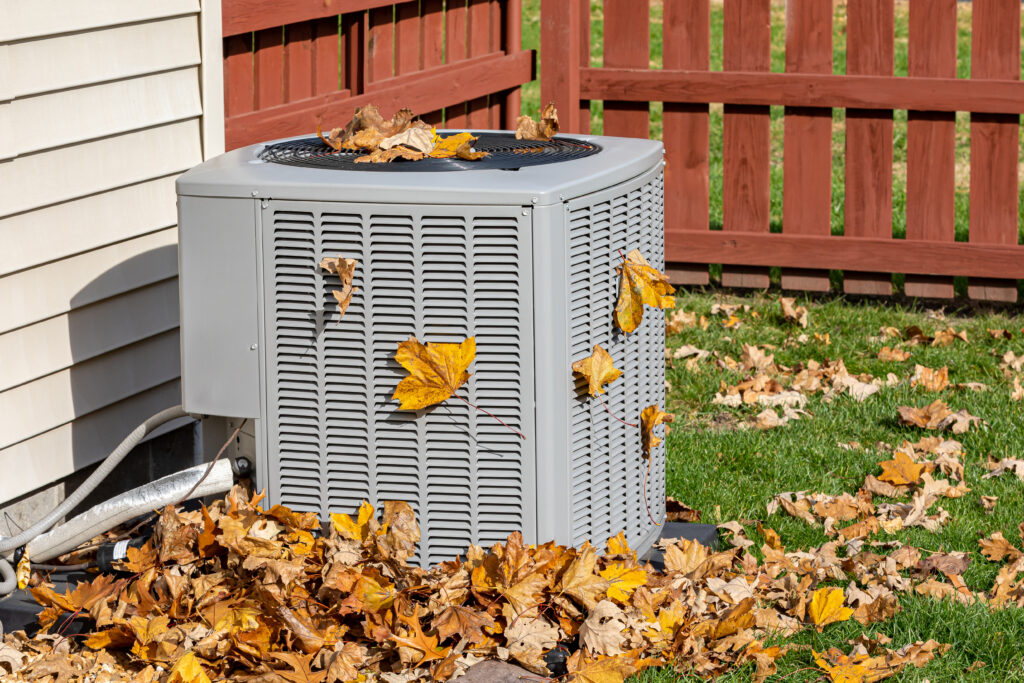
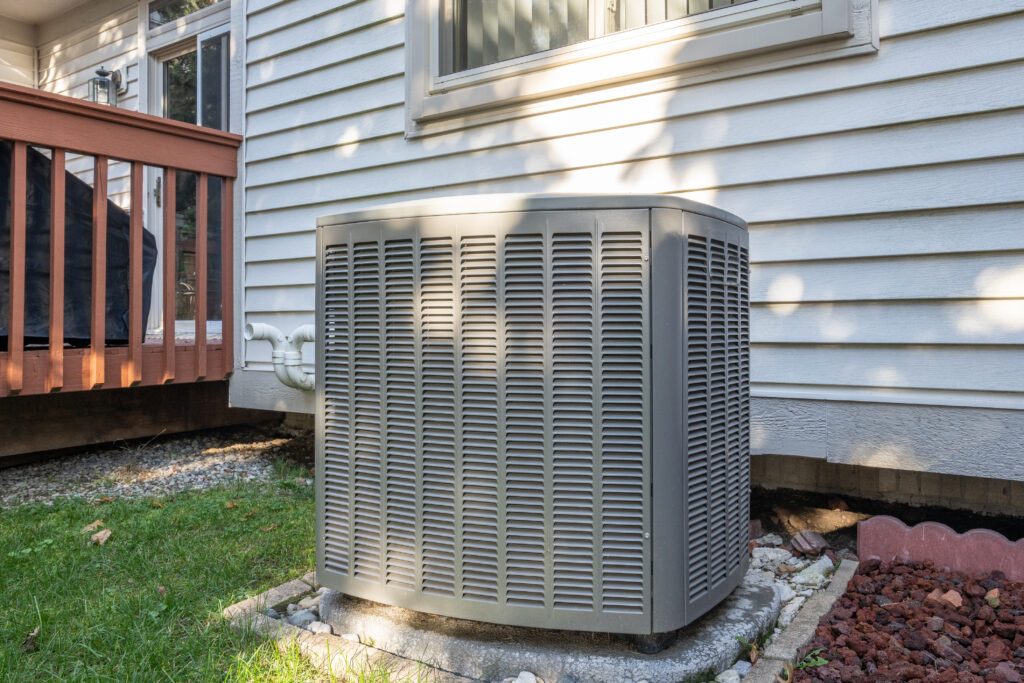
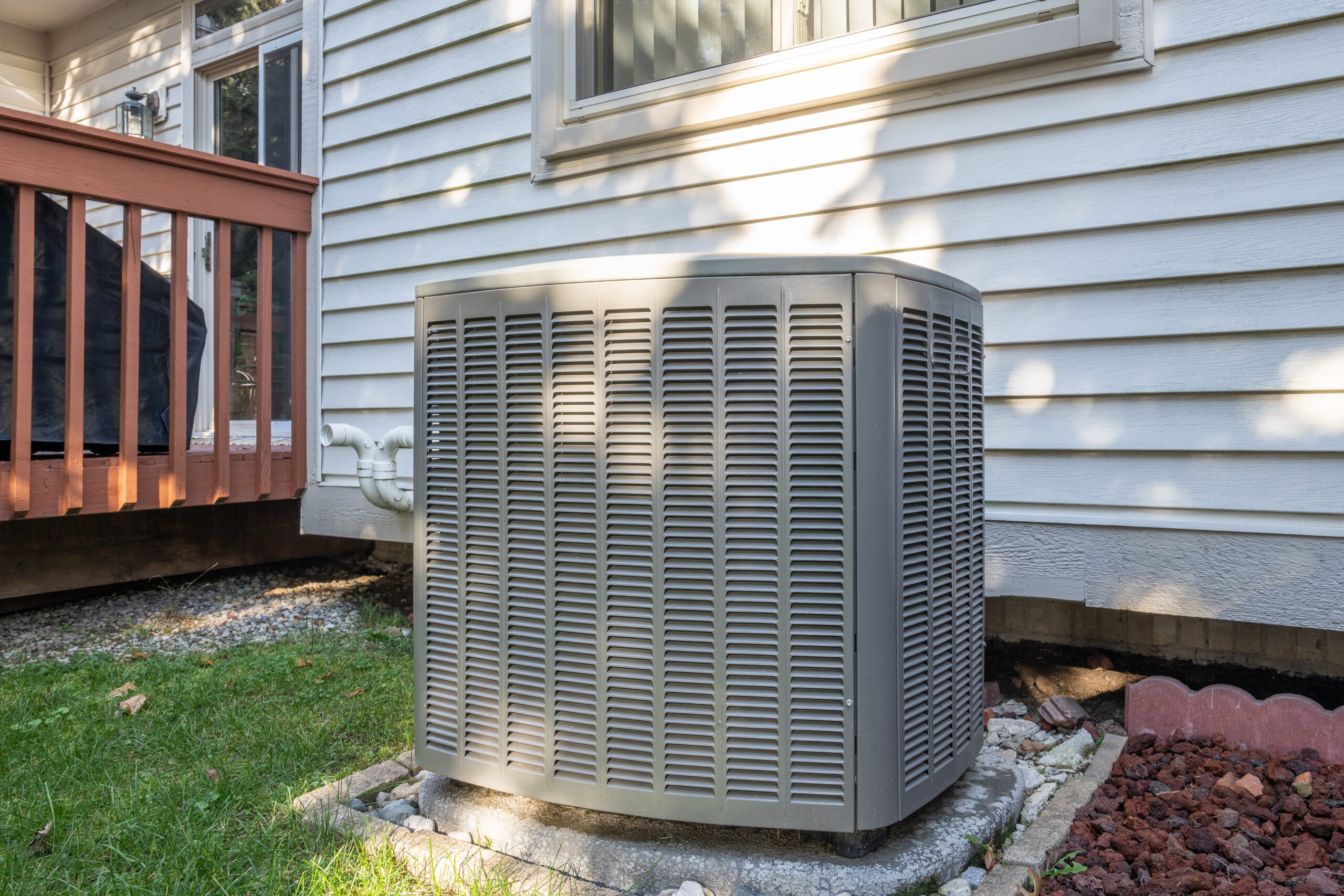
To understand your HVAC system better, it helps to look at the major components involved. The furnace is the central piece of most heating operations, housing crucial parts like heat exchangers, burners, and blowers. The air conditioner, typically located outside, includes a compressor, condenser coil, and fan. Connected to these units is the air handler or evaporator coil inside your home. Your thermostat interfaces with the entire system, sending signals to regulate heating or cooling cycles. Lastly, ductwork distributes conditioned air throughout your home via vents and registers, while return ducts pull air back into the system for reuse or exchange.
Advantages of a Modern HVAC System
Modern residential HVAC systems are designed for energy efficiency, consistency, and smart control. One of the primary benefits is year-round comfort with a single, integrated system rather than separate units. Advanced HVAC systems also offer zoned control, allowing homeowners to set different temperatures in various areas of the house, reducing energy usage and associated utility costs. Enhanced filtration and ventilation features improve indoor air quality, reducing allergens, odors, and airborne pollutants. Many systems today also integrate with smart home technology, offering remote monitoring and adjustments through mobile apps or voice assistants—translating into convenience and measurable savings.
Common Issues and Drawbacks of HVAC Systems
Even the most robust HVAC system is subject to wear and tear. Components like compressors, blower motors, and thermostats are frequently used and can be the first to fail. Ductwork may develop leaks over time, resulting in energy loss and uneven temperature distribution. Additionally, HVAC systems require regular maintenance—from filter changes to seasonal tune-ups—to perform efficiently. Neglecting maintenance can dramatically reduce the system’s lifespan and inflate monthly energy bills. Installation costs can be high initially, especially for whole-house systems or retrofitting older properties. And if the system fails unexpectedly, emergency repairs can become expensive and disruptive.
Tips for Maintaining Your HVAC System
Maintaining a reliable HVAC system begins with consistency. Homeowners should start by checking and replacing air filters every one to three months, depending on usage and household allergen levels. Schedule professional inspections and servicing at least twice a year—ideally in the spring before cooling season and again in the fall before heating season. During these visits, technicians can clean coils, lubricate moving parts, and check refrigerant levels, uncovering potential issues before they snowball into major repairs. Keep the area around your outdoor compressor unit clear of vegetation, debris, or snow for optimal airflow. And finally, keep an eye on your thermostat—small temperature variances could signal bigger issues lurking in the system.
Signs It’s Time to Upgrade or Replace Your HVAC System
While maintenance can extend the life of your HVAC system, all units have a finite lifespan—typically 15 to 20 years. If your system is reaching that age and repairs are becoming frequent or increasingly expensive, replacement may be the more cost-effective route. Rising energy bills without increased usage, uneven heating or cooling, and excessive noise are indicators that your system may be losing efficiency. Another sign to watch for is poor indoor air quality despite a new filter. A newer system can offer improved energy efficiency ratings (SEER or AFUE), better environmental performance using newer refrigerants like R-410A, and advanced smart features that provide tighter control over energy usage and comfort settings.
Protecting Your HVAC Investment with a Home Warranty
Given how critical your HVAC system is to overall home functionality and comfort, protecting it with a comprehensive home warranty is a smart decision. That’s where Armadillo comes in. At Armadillo, we offer tailored home warranty plans that go beyond basic coverage to provide real peace of mind for homeowners. If your air conditioner’s compressor fails during a streak of 90-degree days or your furnace gives out in January, a covered repair or replacement can save hundreds—if not thousands—of dollars. Our plans come with fast service response, vetted local contractors, and an easy claim process that gets your home back to livable faster. Explore our offerings by visiting our homepage at https://www.armadillo.one or customize your coverage today at https://app.armadillo.one/plan-builder?current=zip. Your HVAC system deserves protection as strong and efficient as the system itself. Armadillo makes that protection easy, reliable, and smart.