Understanding Summer Ceiling Fan Direction: Optimize Comfort and Efficiency in Your Home
Ceiling fans are among the simplest and most effective tools homeowners can use to manage indoor temperatures and energy use during the summer months. While it may seem like a straightforward feature, the direction your ceiling fan spins significantly influences how cool your living space feels—and how much strain your HVAC system endures. Knowing the correct ceiling fan direction for summer is essential to maintaining a comfortable, energy-efficient home. If you’re serious about reducing utility bills and improving air circulation, this is information you need. In this guide, we’ll explain how ceiling fan direction works, why it matters, and how it connects to your overall home system—especially when viewed through the lens of preventative maintenance and home warranties.
Why Ceiling Fan Direction Matters in Summer
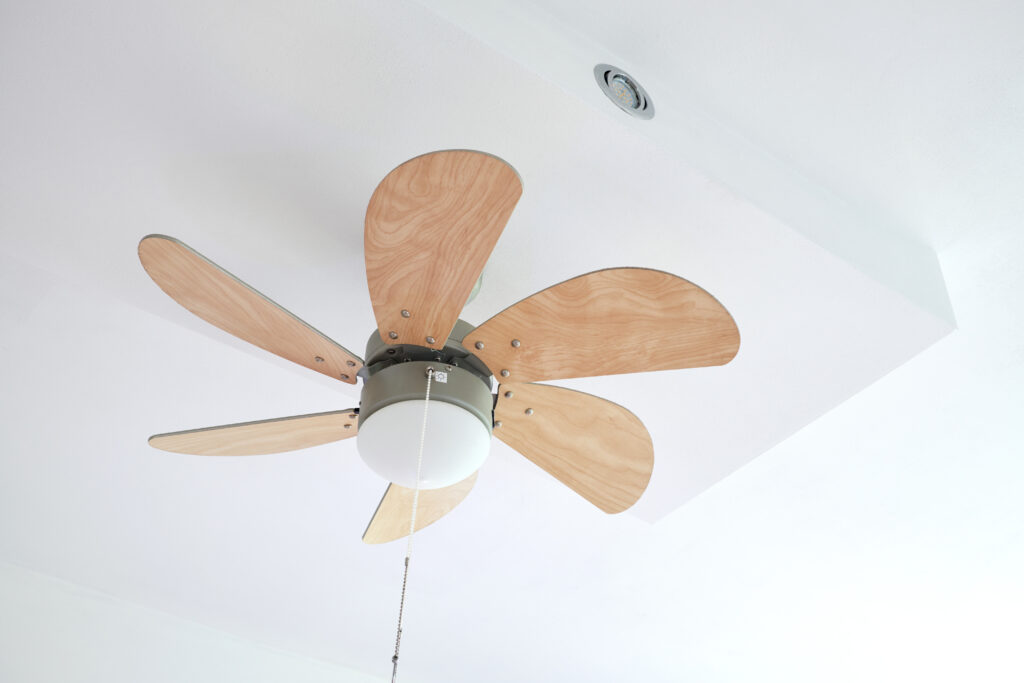
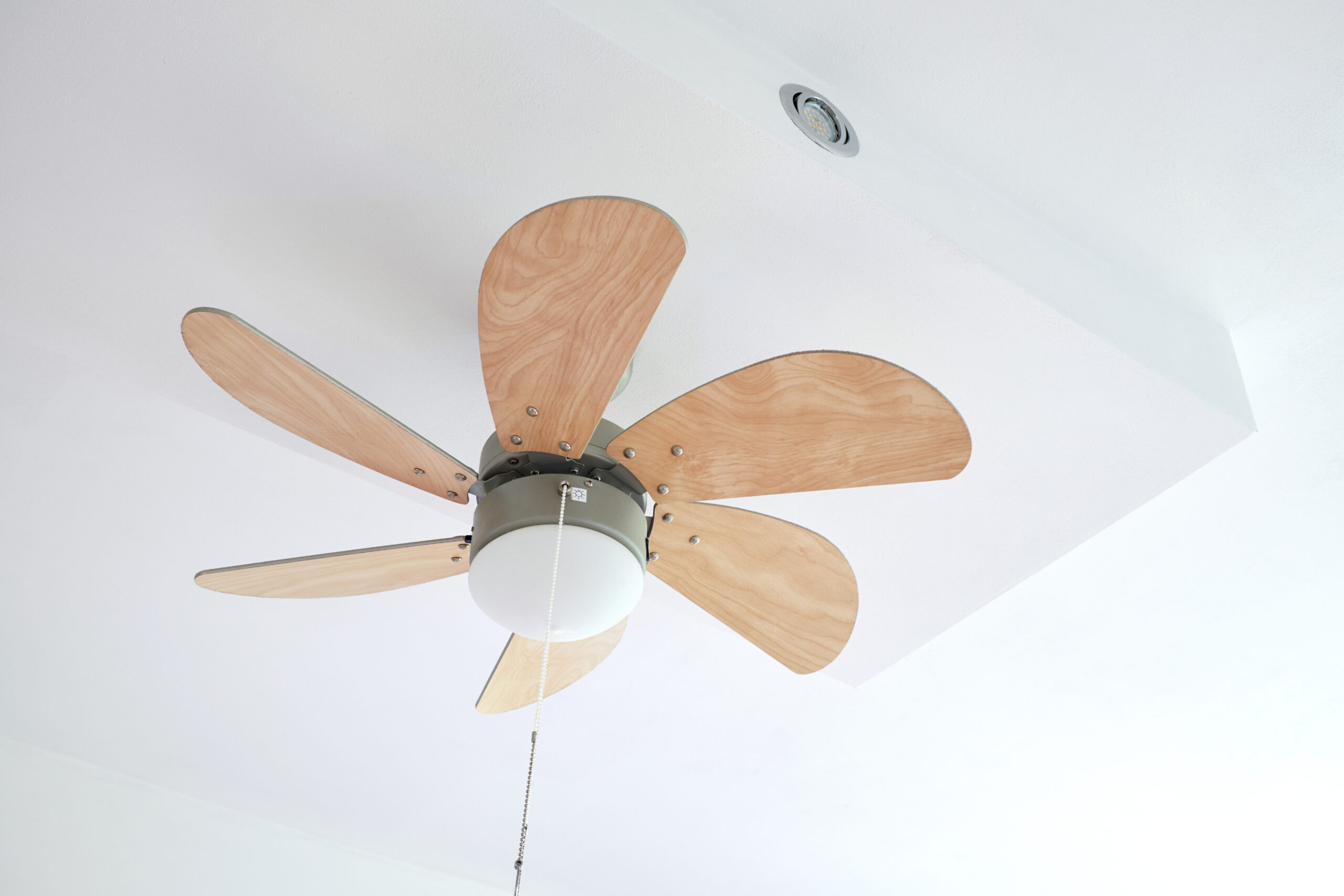
The function of a ceiling fan is not to lower the temperature in a room directly, but to create a cooling effect by moving air. That airflow functions like a breeze, which helps evaporate moisture on your skin, making you feel cooler even though the room temperature remains unchanged. In summer, your ceiling fan blades should rotate counterclockwise. This direction pushes air downward, creating a wind-chill effect that allows you to keep your thermostat a few degrees higher without sacrificing comfort. Operating the fan inefficiently—spinning clockwise during the hotter months—can do the exact opposite, recirculating warm air pooled near the ceiling and wasting energy.
How to Determine and Adjust Ceiling Fan Direction
Understanding which way your fan is spinning sounds easy until you’re looking up at a moving blade. To determine the direction, stand directly beneath the ceiling fan while it’s running on low speed. If you feel a breeze and the blades are moving left to right (counterclockwise), it’s in summer mode. If there’s barely any airflow and the fan seems to be turning right to left (clockwise), it’s in winter mode. Most modern fans have a small directional switch on the base or remote to reverse blade movement. Simply turn the fan off, locate that switch, flip to the opposite direction, and turn it back on, confirming the airflow direction has changed accordingly. It’s a one-minute adjustment that can save serious energy dollars over a few months.
Energy Efficiency and HVAC System Relief
When ceiling fans are used correctly in summer, homeowners can raise their thermostat by about 4 degrees Fahrenheit without noticing a reduction in comfort. This translates into tangible savings on cooling costs—approximately 3 to 5 percent per degree, depending on regional climate and system efficiency. From a home warranty perspective, this has broader implications. Central air conditioning systems are high-cost and high-use appliances. Reducing their workload by supplementing with ceiling fans not only lowers energy consumption but can also extend the lifespan of your system. Air conditioners that run less experience less wear and tear, which could delay repairs or replacements, a key factor in the preventive value of a home warranty policy.
When and Where to Use Ceiling Fans Effectively
Ceiling fans are most effective in rooms that are regularly occupied. Using them in unoccupied rooms leads to wasted electricity since fans cool people, not air. Bedrooms, living areas, and kitchens are ideal spaces for summer operation. However, fan size, ceiling height, and room layout do influence performance. A ceiling fan should hang 7 to 9 feet above the floor and be appropriately sized for the room’s square footage. Larger rooms need larger blade spans and, in some cases, multiple fans. If your fan rattles, wobbles, or operates with inconsistent speeds, a maintenance check may be necessary, especially if you have a home warranty that covers electrical or fixture-based issues. Malfunctioning fans can reduce cooling efficiency and create long-term inconvenience or potential safety risks.
Common Mistakes and Misconceptions About Fan Usage
Static air? That can be a problem. Yet many homeowners set fan direction once and forget it—missing out on seasonal benefits. Another mistake is running fans 24/7 in every room, which increases your electric bill without contributing to comfort. As mentioned, fans do not cool rooms in your absence. There’s also the misconception that higher fan speeds amplify cooling power. But the speed should align with the room’s ceiling height and size—a high-speed fan in a small space can be unsettling or noisy. Lastly, assuming that fans alone are enough for cooling leads to poor climate control planning. Fans should complement—not replace—your air conditioning unit, and when used together correctly, they maximize both comfort and efficiency.
Integrating Ceiling Fan Use with a Home Warranty Plan
With proper seasonal adjustment and mindful energy usage, ceiling fans improve indoor comfort and cushion your HVAC system from overuse. But what happens when your ceiling fan motor fails, your AC shows signs of wear, or your wiring becomes faulty? That’s where a home warranty comes in. A well-structured home warranty from a provider like Armadillo gives you peace of mind that home systems and appliances under consistent seasonal stress are backed by prompt, professional repair and replacement options. A ceiling fan engaging in vigorous summer use is still an electrical device subject to mechanical failure. Instead of scrambling for last-minute solutions, a home warranty positions you to contact expert service with just a few taps, often at a fraction of the out-of-pocket cost.
Choose Armadillo to Protect Your Cooling Systems and More
Summer comfort starts with small decisions—like adjusting your ceiling fan’s direction—but ends in big-picture strategies for home efficiency and reliability. Protecting household systems that work hard during the hottest months isn’t just smart—it’s essential. Armadillo’s home warranty plans are designed with proactive homeowners in mind, covering the core systems and appliances that keep your day-to-day running smoothly. When your ceiling fan contributes to reduced HVAC strain, your home warranty should be ready to maintain both. Explore plans tailored to your needs and geographic location now at armadillo.one, or start building your custom plan right away by visiting our plan builder tool.