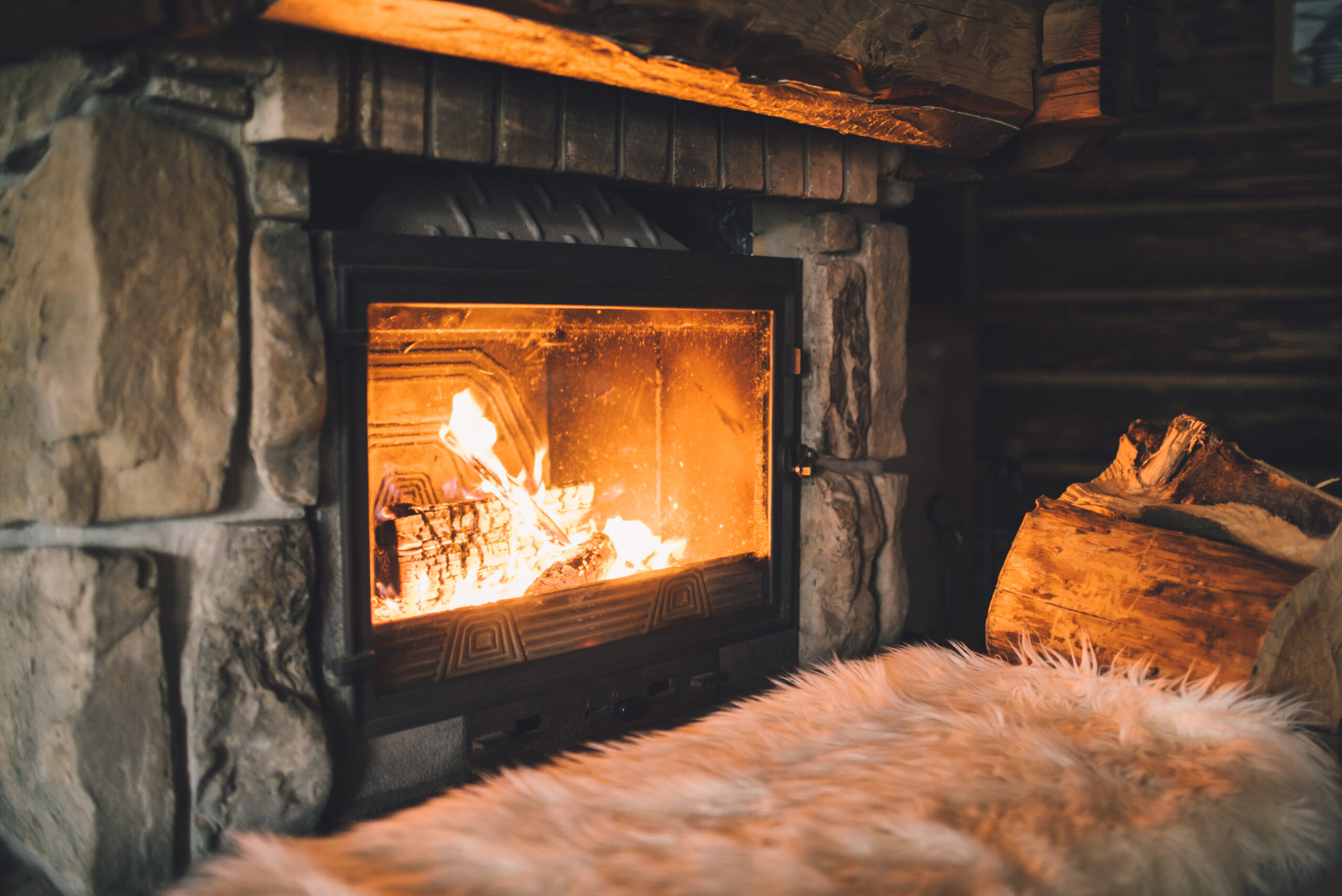
Fireplace Hearths: A Warm Addition to Your Home with Practical Benefits
A fireplace can transform the ambiance of a home, creating a central gathering space all year long. But what often gets overlooked is the hearth—the horizontal surface at the base of the fireplace that serves both form and function. Whether you’re exploring home improvements, planning a fireplace remodel, or reviewing your home systems under warranty, understanding the role of the fireplace hearth is crucial. This article outlines what a fireplace hearth is, how it works, its advantages, limitations, and how it fits into a broader home protection strategy such as coverage through a home warranty.
What is a Fireplace Hearth and How Does It Work?
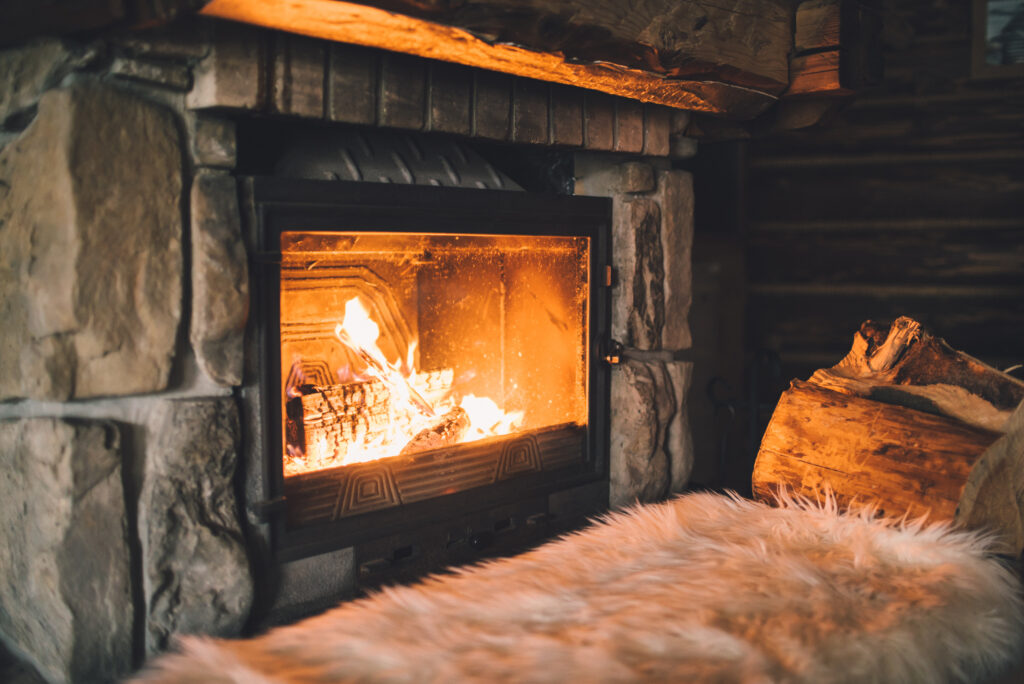
A fireplace hearth is the floor-mounted surface extending in front of and sometimes around a fireplace. Traditionally constructed from fire-resistant materials such as brick, stone, slate, or concrete, the hearth serves as a safety buffer and a decorative element. It’s designed to catch embers, ash, or stray sparks before they can damage your flooring or ignite a fire hazard. While modern gas and electric fireplaces may minimize those risks, the hearth remains an essential safety and aesthetic feature in any design.
Functionally, the hearth acts as a barrier between the firebox—the compartment where the fire burns—and the surrounding floor. In masonry systems, it also supports heat management, absorbing warmth and gently reflecting it into the room. In newer prefab units where the firebox is pre-manufactured from steel or ceramic, the hearth still qualifies as a key protective element, even if its thermal role is secondary.
Types of Hearth Designs: Raised, Flush, and Extended
Hearths come in a variety of configurations that influence both user experience and the longevity of surrounding components. A raised hearth sits higher than the floor and can double as an informal bench or visual focal point. A flush hearth sits level with the flooring, offering a sleek, modern look with minimal obstruction. An extended hearth, which projects beyond code requirements, offers more protective surface area and additional storage or decorative opportunities.
Each design comes with its own implications for maintenance, durability, and functionality. For instance, a raised hearth might collect less dust and be easier to clean at vertical angles, while a flush hearth can streamline foot traffic in smaller rooms. The proper design will depend on your home’s architecture, the type of fireplace you have, and personal use patterns. Whatever you choose, consistent inspection is key—especially if embers or high heat are involved—because wear and tear accumulate more subtly than many homeowners anticipate.
Material Matters: What Your Hearth is Made Of and Why It Counts
Material selection is foundational to the hearth’s performance. Non-combustible materials like stone, tile, granite, and brick are not only durable but also compliant with building regulations designed to minimize fire risk. Some homeowners reach for aesthetic impact first—naturally veined stone like marble or soapstone is popular in luxury environments—but durability and thermal resistance should guide final decisions.
Every material behaves differently when exposed to intense heat over time. Brick resists cracking but may stain or chip without sealant maintenance. Tile offers ease of cleaning but risks grout deterioration over years of use. Concrete offers flexibility in shaping and installation but is prone to surface imperfections and cosmetic hairline cracks. Knowing how materials respond under stress is just as important as style. Ensuring your hearth material matches the functional demands of your fireplace is fundamental to long-term home safety and satisfaction.
The Benefits of a Well-Maintained Fireplace Hearth
Beyond its obvious aesthetic contribution, a properly installed and well-maintained hearth improves home safety, supports energy efficiency, and helps preserve the surrounding structure from smoke, heat, or soot damage. When paired with a traditional wood-burning fireplace, it significantly reduces the risk of stray embers landing on combustible surfaces like rugs or hardwood flooring.
There’s also the matter of comfort. A masonry hearth can act as a secondary heat source even after the fire has burned out, emitting radiant warmth and extending the cozy effects of the fireplace. In spaces where central heating costs are high, that subtle retention can contribute to winter utility savings. Moreover, a strong hearth adds resale value and passes inspection criteria more easily during pre-sale assessments, especially in historic homes or retrofitted urban units.
Common Hearth Drawbacks and What to Watch For
It’s not all rustic charm and radiant warmth. Hearths, especially those in older homes, can present maintenance challenges. Soot, ash, and creosote residue can accumulate at the joints where the hearth meets the firebox or surround. Without diligent cleaning, debris may compromise the finish or introduce allergens. Additionally, underlying cracks—particularly in stone or concrete installations—can allow heat transfer where none should occur, weakening the structural integrity of nearby framing or subflooring.
Hearth surfaces may also loosen or shift if the foundation settles or moisture penetrates the seal between hearth and floor. Freeze-thaw cycles in colder climates can exacerbate minor gaps into functional weaknesses. These issues generally don’t manifest overnight but can lead to compounding repairs if ignored. Regular inspection—not just visual checks, but tactile ones too—goes a long way in detecting issues early, especially after seasonal changes or extreme usage periods.
Is Your Hearth Covered in a Home Warranty?
This is where professional home protection enters the conversation. Home warranties typically cover major built-in systems and appliances, but coverage of fireplace components, like a hearth, often exists in a gray zone. That said, certain premium plans may include fireplace system components such as gas lines, ignition elements, or blower motors. While the hearth itself may be classified as part of a structural or cosmetic feature, adjacent systems leveraging built-in electric or gas elements may qualify for warranty coverage depending on provider and plan.
The crucial step here is reading coverage language carefully. A warranty like Armadillo’s may not cover cosmetic hearth repairs, but if a hearth crack leads to unsafe conditions or affects a covered system, it may contribute to a service claim. This underlines the importance of selecting the right plan and knowing when and how the hearth intersects with other home infrastructure covered under a policy. It’s not just about protection against what breaks—it’s about proactive ownership of what sustains the home’s thermal and safety integrity.
Why Armadillo is a Smart Choice for Homes with Fireplaces
Homeownership doesn’t stop when the plans are complete or when the rooms are furnished—it evolves with how every feature performs year after year. If your home includes a fireplace with a custom or classic hearth, you’ve invested in style, warmth, and structure. Protecting the systems that support it—especially blower motors, ignition systems, and gas lines—through a tailored home warranty ensures you don’t get taken by surprise down the line.
Armadillo delivers modern home warranty plans designed to simplify protection for high-function features like fireplaces while eliminating the outdated complexities of legacy providers. With easy-to-understand coverage and a commitment to transparency, Armadillo empowers homeowners to focus less on what might go wrong, and more on what makes their house a home. Learn more at armadillo.one or begin customizing your coverage today at our plan builder.