Understanding Your Home’s Electrical System: How It Works, Why It Matters, and What to Watch Out For
Your home’s electrical system works quietly in the background—until it doesn’t. It’s one of the most essential systems in any residence, yet also one of the least visible. When the lights flicker or a breaker trips repeatedly, issues that once seemed invisible suddenly demand immediate attention. But understanding your electrical system before problems arise can help you prevent costly repairs, select smarter upgrades, navigate warranty coverage, and make your home safer and more efficient overall.
What Is a Home Electrical System?
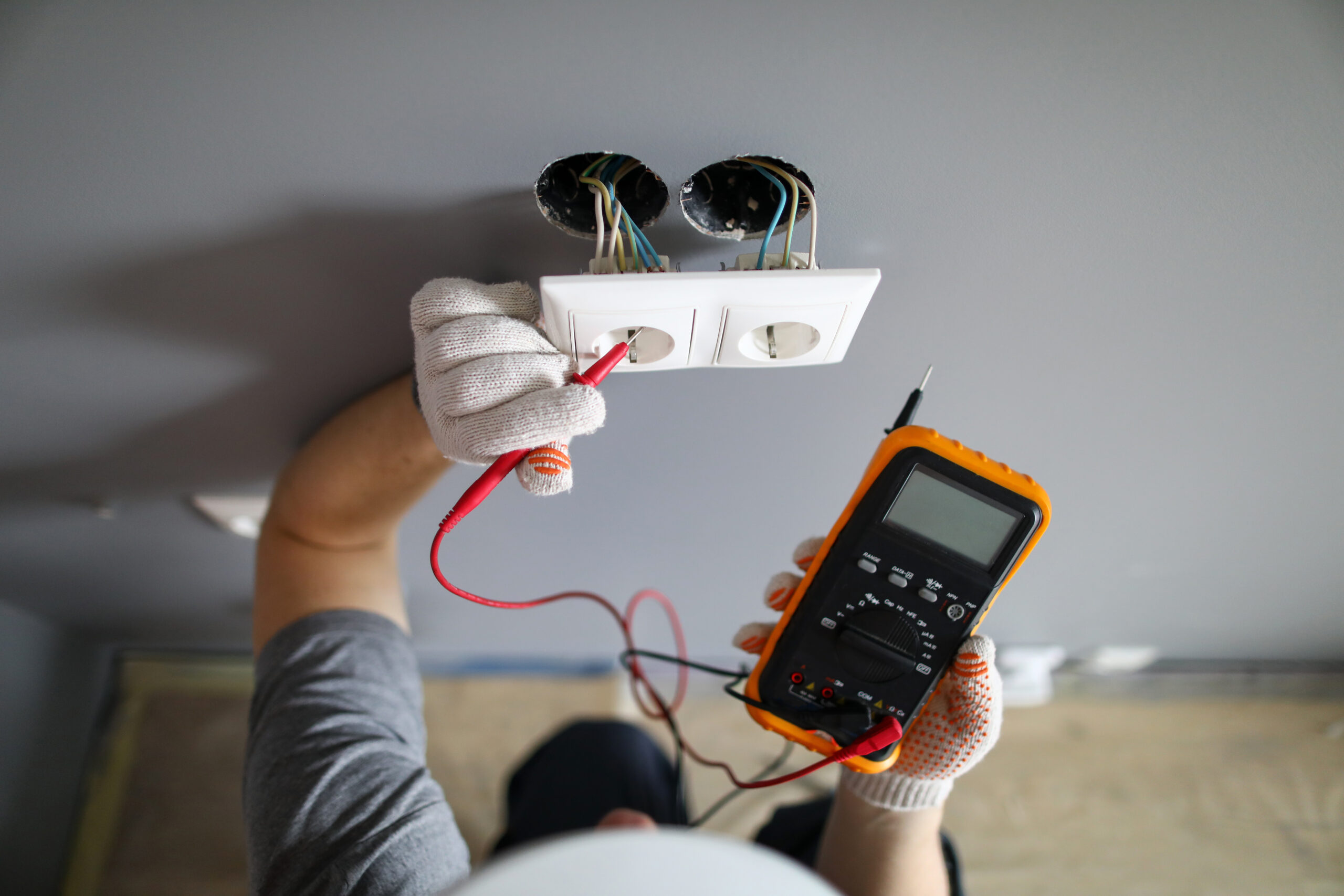
The home electrical system is an internal network of wiring, outlets, switches, circuit breakers, and service panels that distributes electricity from your utility provider to the outlets and appliances throughout your house. Essentially, it enables power to move safely from the entry point—usually a main service panel near where power lines connect to your house—all the way to your refrigerator, computer, light fixtures, and beyond. Installed according to strict local building codes and standards from the National Electrical Code (NEC), these systems are designed to operate safely under various conditions, provided they’re properly maintained and not overloaded.
How Does the Electrical System Actually Work?
When electricity enters your home through the main service panel, it’s divided into circuits—dedicated pathways that serve specific areas or devices. These circuits are protected by circuit breakers or, in older homes, by fuses. A circuit breaker trips—or automatically shuts off power—when it detects a problem like a short circuit or an overload. That’s how the system keeps itself safe from fires or equipment damage. Power flows through hot wires, typically black or red, and returns via a neutral wire, usually white. Ground wires provide an additional path for power to dissipate safely in case of a fault. That’s a basic summary, but under the hood, it’s a complex system that must operate in harmony to protect your appliances, your safety, and your peace of mind.
Advantages of a Well-Maintained Electrical System
There are clear benefits to keeping your electrical system in good shape. First, safety is paramount. Electrical hazards account for thousands of house fires annually. A professionally maintained system—and prompt attention to any signs of wear or malfunction—can dramatically reduce risk. Reliability is another key advantage. When properly maintained, your circuits and breakers will keep high-consumption devices running without disruption. Plus, if you’re thinking about upgrading to smart home features, electric vehicles, or solar systems, a healthy electrical infrastructure lays the groundwork for everything modern. Finally, energy efficiency matters—leaky or inefficient wiring wastes energy, and correcting that waste can lower your monthly utility bills significantly.
Common Drawbacks and Warning Signs to Know
An outdated or poorly functioning electrical system isn’t just inconvenient; it can be dangerous. Signs of trouble can include frequent breaker trips, warm or discolored outlets, buzzing sounds from switches, or dimming lights when appliances turn on. These aren’t just annoying quirks. They might point to aging wires, loose connections, or overloaded circuits. In older homes, systems designed decades ago often can’t meet today’s energy demands, especially as devices multiply and drawing power becomes more constant. That’s when an upgrade may be necessary—one that involves not just replacing worn-out parts but rethinking how the household uses energy day to day.
Electrical Systems and Your Home Warranty: What’s Covered?
Many homeowners aren’t sure whether electrical systems fall under the umbrella of their home warranty. The short answer? In most cases, yes. A trusted home warranty provider like Armadillo offers coverage for critical components of your home electrical system. That includes wiring, service panels, and internal circuit-based malfunctions that disrupt your home’s power. However, certain exclusions often apply—especially if damage stems from neglect, code violations, or natural disasters. Knowing your coverage gives you the confidence to call for help when a switch goes dead or the lights won’t flick on, instead of worrying about the cost every time something fails. And that peace of mind is foundational to smart homeownership.
Should You Upgrade Your Electrical System?
Possibly. Not every system needs a full-scale overhaul, but there are signs when modernizing can make your home safer and more functional. If you’re planning a kitchen remodel, installing a high-capacity air conditioning system, or adding an electric vehicle charger, your existing circuits may not handle the increased demand. Likewise, if your circuit breakers constantly trip, or you still have a panel with fuses instead of breakers, it’s time to consider an upgrade. An electrician can evaluate your existing system and provide an estimate for what new components—like a larger service panel or upgraded wiring—might be needed. While it’s not an inexpensive project, the long-term benefits in terms of safety and functionality often justify the investment.
Protect Your Home’s Power with a Plan That Works—Armadillo Makes It Easy
If you’re navigating the complexity of your home’s electrical system, you’re not alone. And when something breaks, there’s peace of mind in knowing you’re covered. Armadillo offers home warranty plans that include comprehensive coverage of key electrical components—helping you avoid the stress of unexpected repair bills. With smart, hassle-free service and customizable plans, Armadillo provides exactly the right balance of convenience and confidence. Learn more about how you can protect your home’s electrical system at www.armadillo.one or start building your personalized home warranty plan in just a few clicks by visiting this link. Because you shouldn’t have to worry every time the lights flicker.