DIY Floor Cleaner for Mopping: How to Protect Your Floors and Your Home Systems
Flooring is one of the most heavily used features of a home, yet it’s often overlooked in maintenance conversations. From hardwood to laminate and tile, keeping your floors clean isn’t just about aesthetics—it’s about longevity. And one of the most overlooked factors that can impact not just your floors but other systems in your home is what kind of cleaner you use. Many homeowners are seeking smarter, safer, and more cost-effective alternatives to commercial floor cleaners. This has led to a rising interest in DIY floor cleaners for mopping. Understanding how these homemade cleaning solutions affect your floors—and your home overall—is essential, particularly when you’re thinking about long-term home protection through a home warranty.
What Is a DIY Floor Cleaner?
At its core, a DIY floor cleaner is a homemade cleaning solution typically comprised of common household ingredients like vinegar, baking soda, essential oils, dish soap, and water. These solutions can be tailored to fit different types of flooring materials, including hardwood, laminate, tile, and vinyl. Unlike many commercial cleaning products that use harsh chemicals, DIY floor cleaners use gentler ingredients that are less likely to degrade the finish of your flooring or trigger sensitivities in your household. These solutions are appealing not only for their cost-effectiveness but also for their reduced environmental impact.
How DIY Floor Cleaners Work
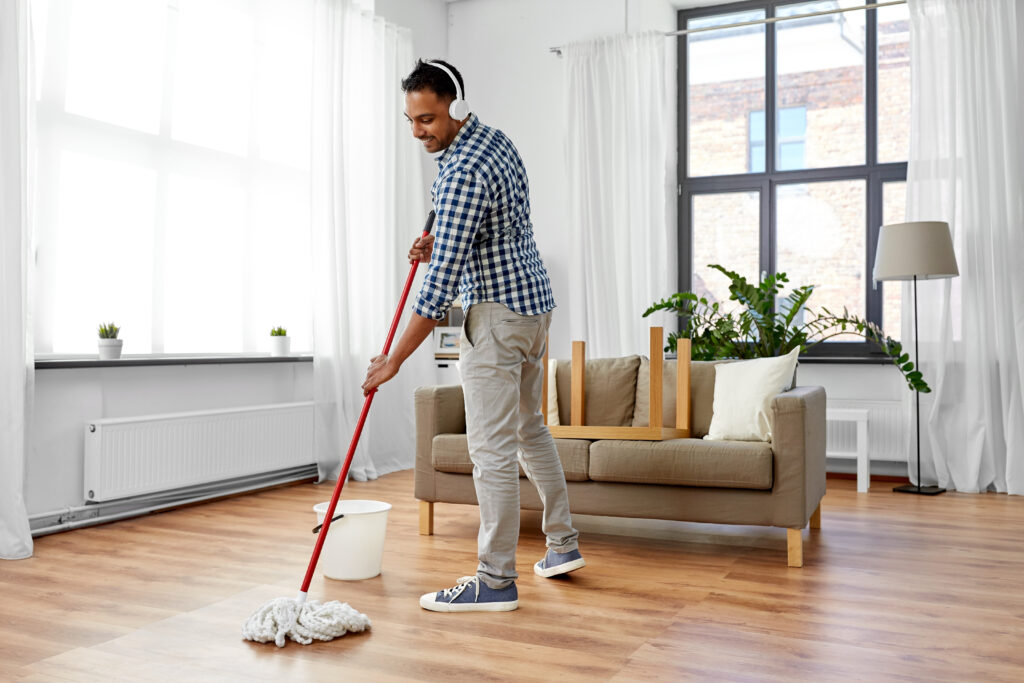
DIY floor cleaners function through basic chemistry. Acids like white vinegar break down grease and grime, while mild abrasives like baking soda can help lift stains. When combined with warm water, these elements dissolve contaminants on the floor’s surface. Essential oils can add a natural fragrance and even provide antibacterial properties. Because the cleaning power of these homemade solutions depends on the ratio and type of ingredients used, they must be matched correctly to the specific floor material. For instance, while vinegar works well on tile, it’s too acidic for hardwood or stone. The cleaning process typically involves applying the solution via mop, sponge, or spray bottle, followed by rinsing or drying to avoid residue.
Advantages of Using DIY Floor Cleaners
One of the most appealing benefits of using a DIY floor cleaner is cost savings. Most of the ingredients are pantry staples, significantly reducing your monthly cleaning budget. These solutions are also customizable, allowing homeowners to address specific cleaning needs or sensitivities to scents and chemicals. Even more importantly, DIY cleaners can prolong the lifespan of your floor finish. By avoiding corrosive substances commonly found in commercial products, you minimize the risk of surface degradation. Over time, this helps maintain the visual and structural integrity of your flooring, which can improve both everyday comfort and resale value. Lastly, non-toxic formulas contribute to a healthier indoor environment, ideal for homes with children or pets.
Drawbacks You Should Be Aware Of
However, DIY options are not without their challenges. The absence of preservatives and stabilizers, which are commonly found in commercial cleaners, means these homemade solutions have a shorter shelf life. Some mixtures can spoil or lose potency after just a few days. Additionally, improperly formulated DIY cleaners can do more harm than good. Misuse of acidic ingredients like vinegar on sensitive flooring types can strip protective coatings or cause discoloration. There’s also the inconvenience factor—measuring, mixing, and storing DIY cleaners requires time and attention to detail, which may not suit every homeowner’s lifestyle. Plus, DIY solutions often lack the tested formulation that guarantees effectiveness across a range of contaminants like mold or embedded grime.
Why Flooring Maintenance Matters for Home Systems
Maintaining your floors isn’t just about cleanliness—it’s also closely tied to the performance of key home systems. Moisture left behind by improper mopping can infiltrate subfloor materials, leading to mold growth or weakened structural elements. In homes with hardwood flooring, excessive dampness from over-saturated mops can result in warping or cupping. These issues can eventually extend to HVAC systems that are forced to work harder to manage unstable humidity levels. Damage to flooring can also impact appliances, such as water leaking under a dishwasher accelerating floor deterioration. Regular, correct maintenance using suitable cleaners helps preserve more than just appearances. It supports the interconnected systems that maintain efficiency and household comfort.
Impact on Home Warranty Coverage
Your choice of cleaning products—even DIY ones—can have implications for your home warranty coverage. Warranty providers often require that systems and appliances be properly maintained to remain eligible for service coverage. If damage to the flooring results from misuse of cleaning agents, it may invalidate a related claim. For example, a warped floor due to excess moisture might void parts of the coverage if it’s deemed preventable. Understanding the manufacturer’s recommendations for cleaning is as important as the cleaner itself. When paired with a home warranty that covers appliances and integrated systems, using the right floor maintenance practices adds an extra layer of protection—and accountability. Cleaning decisions, especially DIY ones, should align with broader home care strategies that support warranty agreements.
Tips for Safely Using DIY Floor Cleaners
If you’re ready to try a DIY floor cleaner, it’s essential to start small and test. Spot-test in an inconspicuous area of flooring first to observe any reactions. For most vinyl or tile flooring, a basic mix of warm water, a splash of dish soap, and a few drops of essential oil will be sufficient. Avoid vinegar or citrus-based solutions for hardwood and natural stone. Never oversaturate the mop; use a damp mop rather than a soaking one to prevent water damage. After cleaning, consider a dry microfiber pass to absorb residual moisture. Store any mixed solutions in airtight containers and use within a week to avoid spoilage or loss of cleaning power. Sticking to these best practices ensures performance without compromising the materials—helping maintain your home’s overall condition.
Why Armadillo Helps Safeguard More Than Just Your Floors
Keeping your floors in top condition supports the health and efficiency of your entire home. But even when you’re doing everything right—using DIY cleaners correctly, performing regular maintenance—systems and appliances can still fail. That’s where a strong home warranty matters. With Armadillo, unexpected breakdowns don’t derail your routine. Whether it’s flooring-related claims stemming from backed-up plumbing or moisture issues affecting other systems, a comprehensive warranty plan provides peace of mind. Armadillo not only values proactive home care but enhances it. Explore plan options and coverage details on our homepage, or start customizing your protection at our Plan Builder. Investing in both good maintenance and a reliable home warranty ensures your flooring—and your home—remain protected no matter what arises.