Understanding Tankless Water Heaters: A Smarter Way to Heat Your Home’s Water
For many homeowners, hot water is a quiet luxury—always available, rarely questioned. But if you’ve ever run out mid-shower or faced high energy bills, you’re likely searching for a better solution. Enter the tankless water heater. This innovative system promises endless hot water, boosted energy efficiency, and a smaller footprint than traditional storage tanks. But is it the right choice for your home? Understanding what a tankless water heater is, how it works, and the pros and cons of installing one can guide your decision with confidence. With more homeowners reevaluating household systems in search of smarter, more efficient solutions, this guide provides a complete look at tankless water heaters—through a homeowner’s lens.
What Is a Tankless Water Heater?
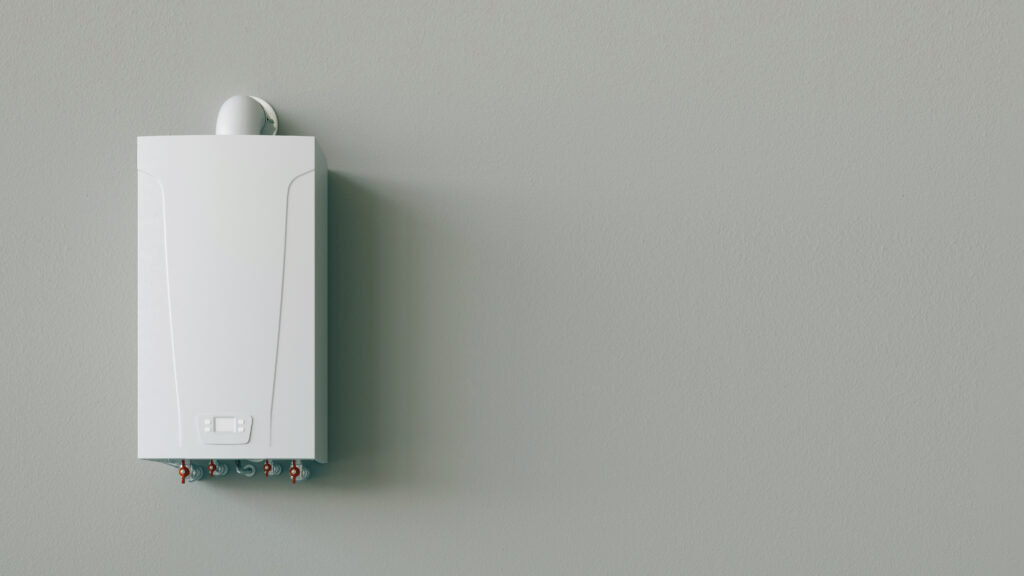
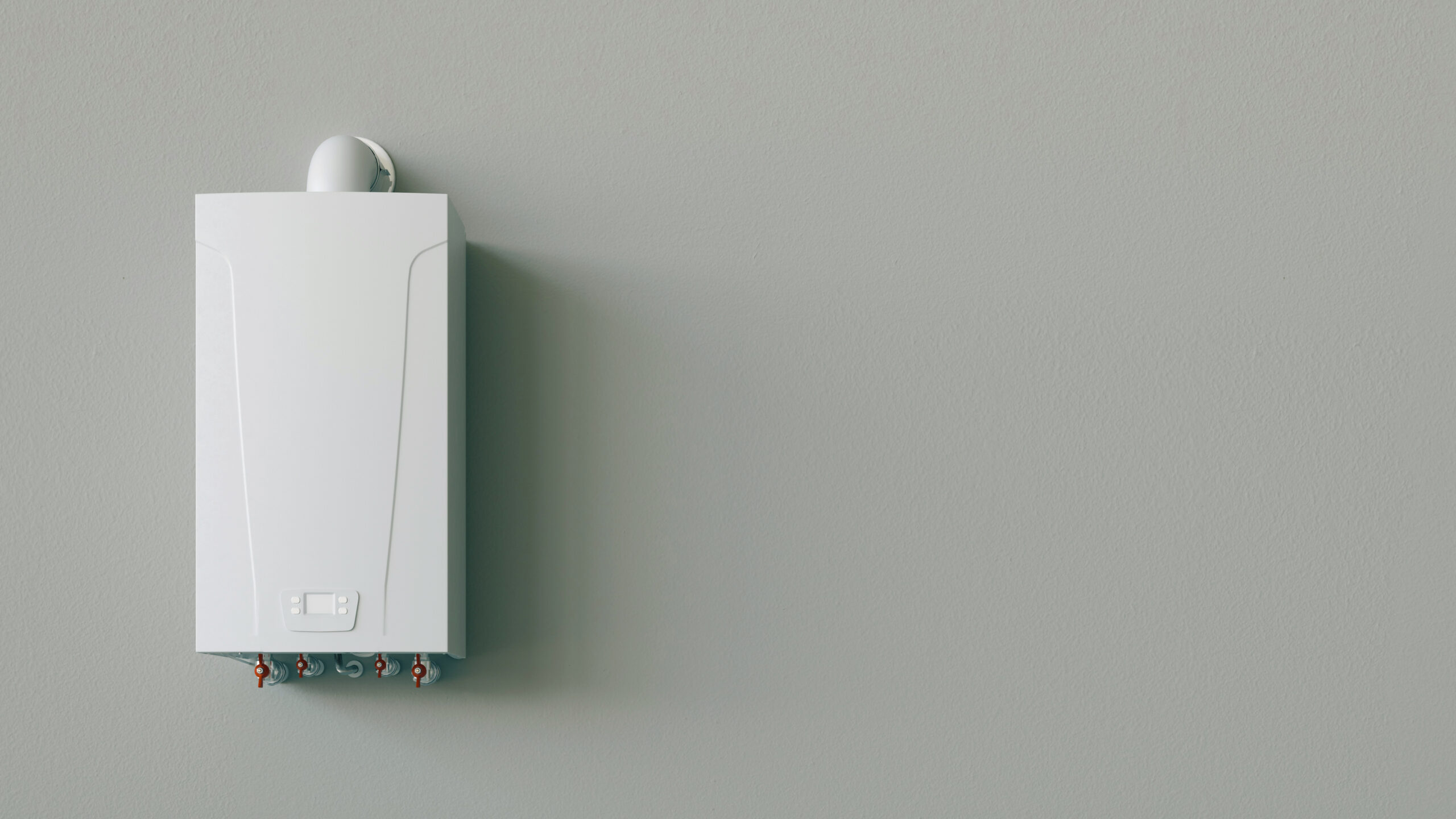
A tankless water heater, also called an on-demand water heater, is a compact appliance that heats water as it flows through the system rather than storing hot water in a tank for future use. Unlike traditional water heaters, which keep 30–80 gallons of water hot at all times, tankless models deliver hot water only when needed, directly to your faucet or showerhead. Because there’s no storage tank to deplete, you get continuous hot water for as long as your system can keep up with the demand.
These devices may be powered by electricity or gas, and they come in a range of sizes to accommodate different household needs. Commonly wall-mounted, they’re a popular choice in homes looking to maximize space and minimize energy consumption. While they’re not a recent invention, advancements in efficiency, size, and durability have made tankless water heaters a front-runner in home improvement upgrades.
How Does a Tankless Water Heater Work?
A tankless water heater replaces the conventional model’s standby system with a heat-on-demand design. When a hot water tap is turned on, cold water flows through a heat exchanger inside the unit. The internal heating element—either a gas burner or electric heating coil—instantly warms the water. The result is a continuous stream of hot water, provided the unit is properly sized for the home’s usage patterns.
The system shuts off immediately when the hot water is no longer needed, minimizing energy waste. There’s no limit to the supply, technically, though the flow rate can become a bottleneck if multiple hot water sources are being used at once. For example, running a dishwasher, washing machine, and shower simultaneously might cause a noticeable drop in temperature. A professional installer can help assess the right size unit or recommend installing multiple smaller units in large homes to manage high demand.
Key Advantages of Choosing a Tankless System
One of the most compelling reasons homeowners choose tankless systems is energy efficiency. Because there’s no energy wasted maintaining the temperature in a tank all day, tankless heaters typically use 24% to 34% less energy in homes that use under 41 gallons of hot water daily. This translates into lower utility bills and a reduced carbon footprint. Additionally, they have a longer lifespan—many models last over 20 years compared to 10 to 15 years for storage tank heaters.
The compact size is another attractive feature. Tankless systems can be mounted on a wall and tucked into utility closets or nontraditional spaces, freeing up valuable floor area. They’re also safer in some respects, with reduced risk of leaking tanks or water damage due to ruptures. Because water isn’t continuously stored, the risk of bacteria growth also decreases, providing a cleaner water supply.
Common Drawbacks and Considerations
Despite the benefits, tankless water heaters are not without limitations. One of the most significant barriers is the initial cost. Installation requires a higher upfront investment than traditional systems, especially if upgrades to the home’s gas line or electrical panel are required to accommodate the new unit. Although these costs are often offset by lower energy bills over time, the break-even point may take several years.
Flow rate can also be a challenge. While technically endless, hot water output is finite at any given moment. In high-demand households, a single unit may not be enough. Additionally, some users report a “cold water sandwich” effect, where warm water is briefly interrupted by a burst of cold if the system cycles too quickly between on-and-off periods. While not a defect, it’s something to be aware of when considering the switch.
Is Your Home a Good Fit for a Tankless Water Heater?
Before installing a tankless water heater, assess your home’s plumbing infrastructure, size, and water usage. Homes with two to three bathrooms and moderate simultaneous usage (for example, not running multiple showers and appliances at once) usually benefit the most. Older homes may require retrofitting, especially if the existing gas line or electrical system isn’t built to support the energy load. In such cases, professional consultation is critical to avoid overloads or underperformance.
Climate also plays a role. In colder areas, ground water enters the system at a lower temperature, requiring more energy to reach your desired setting. That can reduce the unit’s overall efficiency. Still, with proper sizing and installation, tankless options work well in nearly every environment.
Maintenance and Long-Term Performance
A tankless water heater is typically lower in maintenance than traditional models, but routine care is still needed to maximize performance. Mineral buildup, particularly in areas with hard water, can compromise the efficiency of the heating elements. Descaling the unit once or twice a year is often recommended, depending on the local water quality. Installing a water softener can reduce the frequency of scale-related issues.
With fewer moving parts and no tank corrosion issues, these systems are less prone to sudden failure. Troubleshooting often involves low gas pressure, blocked ventilation, or circuit overloads—usually resolved quickly by an experienced technician. Staying on top of maintenance means fewer surprises and a longer-lasting appliance.
The Role of Home Warranties in Tankless Water Heater Coverage
Including a tankless water heater under your home warranty coverage can be a smart safeguard. Repairs and replacements, though less frequent, can be costly. If your water heater fails unexpectedly, the service fees for diagnosis, parts, and labor can add up quickly. By working with a home warranty provider that understands—and actively supports—modern home systems, you’re better positioned to protect your investment. That’s particularly valuable when services can be dispatched fast, by someone familiar with these specialized systems.
Why Armadillo Is the Right Partner for Your Tankless Home
Upgrading to a tankless water heater is a smart step toward energy efficiency and long-term cost savings, but it only performs at its best when supported by the right protection. With a robust and modern approach to home coverage, Armadillo makes it easy to safeguard essential systems like tankless heaters. Our plans are designed to adapt to the evolving needs of today’s homeowners and eliminate the stress of costly, unexpected repairs. If you’re considering the switch—or already have—make room in your plan for coverage that keeps pace. Explore our options at armadillo.one, or get started today with a custom plan builder at our sign-up page.