Understanding Your Water Heater: What Every Homeowner Should Know
Among the many essential systems that support daily life at home, the water heater is one of the least visible—but arguably most relied upon. It delivers hot water for showers, dishwashing, laundry, and cleaning. Most of us don’t think about it until something goes wrong. If you’re a homeowner, understanding what a water heater does, how it works, and how to care for it can save you time, money, and frustration. In this article, we walk you through the essentials of water heaters, including options, functionality, benefits, and the drawbacks you should prepare for. Whether you’re considering an upgrade or want to be proactive about maintenance, these insights will help you make confident, cost-wise decisions.
What Is a Water Heater?
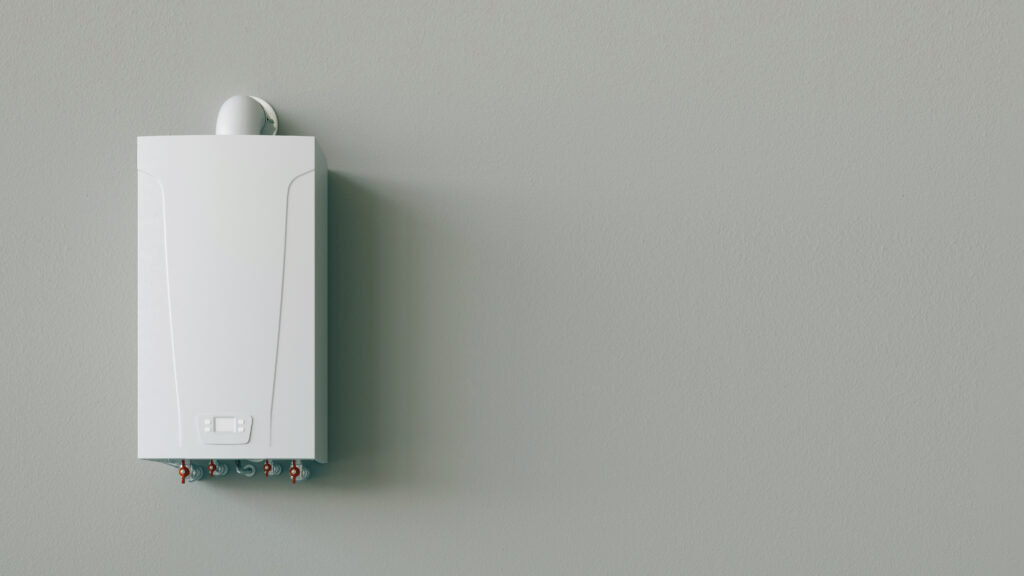
A water heater is a household appliance that heats cold water and distributes it throughout your home. There are two primary types: tank and tankless. Traditional tank heaters store a certain number of gallons—commonly 40 to 50—of hot water that’s preheated and ready for use. Tankless water heaters, also known as on-demand systems, heat water only when it is needed. Each type has different energy usage patterns, physical space requirements, and lifespans. Regardless of the model, all water heaters are connected to plumbing and typically powered by gas or electricity.
How Does a Water Heater Work?
In a standard tank water heater, cold water enters through a dip tube near the top of the tank. A heating element or gas burner at the bottom warms the water. As the water heats, it naturally rises and is drawn out through a hot water outlet pipe when you turn on a faucet. The tank maintains its temperature using a thermostat, cycling the heater on and off as needed. In contrast, tankless models operate without storing hot water. When you open a tap, water flows over a heat exchanger, powered by electricity or gas, delivering hot water instantly—but only while it’s demanded. This difference in operation results in varied output volumes and energy efficiency profiles.
Key Benefits of Installing or Maintaining a Water Heater
Reliable access to hot water is a baseline comfort in any American home, and a properly functioning water heater makes this possible without you ever thinking about it. A newer, well-maintained system can also contribute to better energy efficiency, lowering monthly utility bills. Tankless models, in particular, use less energy over time and last longer—often up to 20 years compared to a tank model’s 10 to 15. Additionally, upgrading to a newer unit may increase your property’s value and appeal during resale, especially if it’s energy-efficient or has smart-home integrations.
Common Drawbacks and Issues to Watch For
Water heaters, like any major appliance, aren’t without limitations or risks. Sediment buildup in tank models can reduce efficiency and shorten lifespan, especially in areas with hard water. Leaks, faulty thermostats, and failed heating elements are other common culprits when hot water stops flowing. Tankless heaters, while energy-efficient, have limitations in simultaneous use—if multiple showers and appliances run at once, the system may struggle. The installation cost for tankless units is also higher. Finally, if a water heater fails suddenly (and they often do after 10+ years), the result could be extensive water damage or a complete loss of hot water until it’s replaced.
Tips for Diagnosing Water Heater Problems
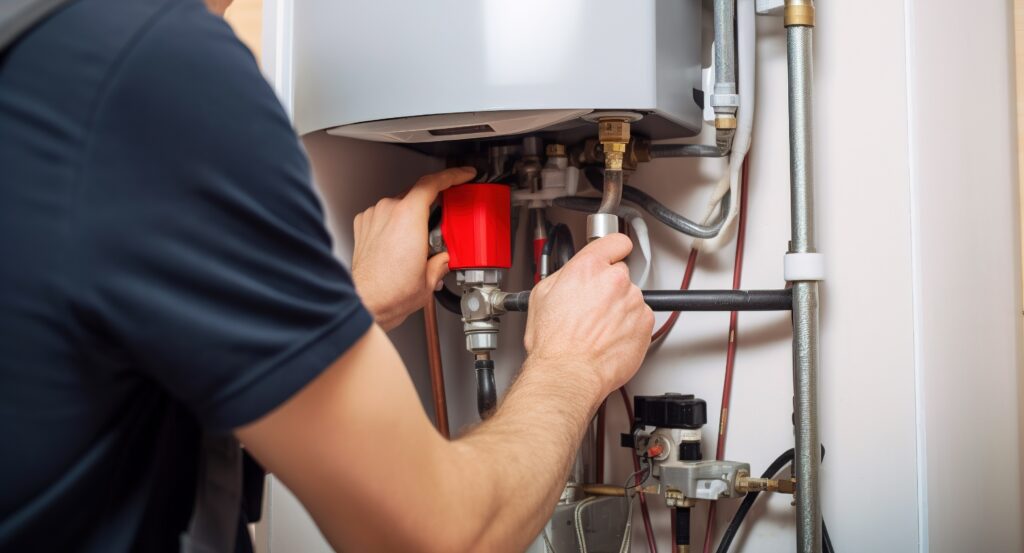
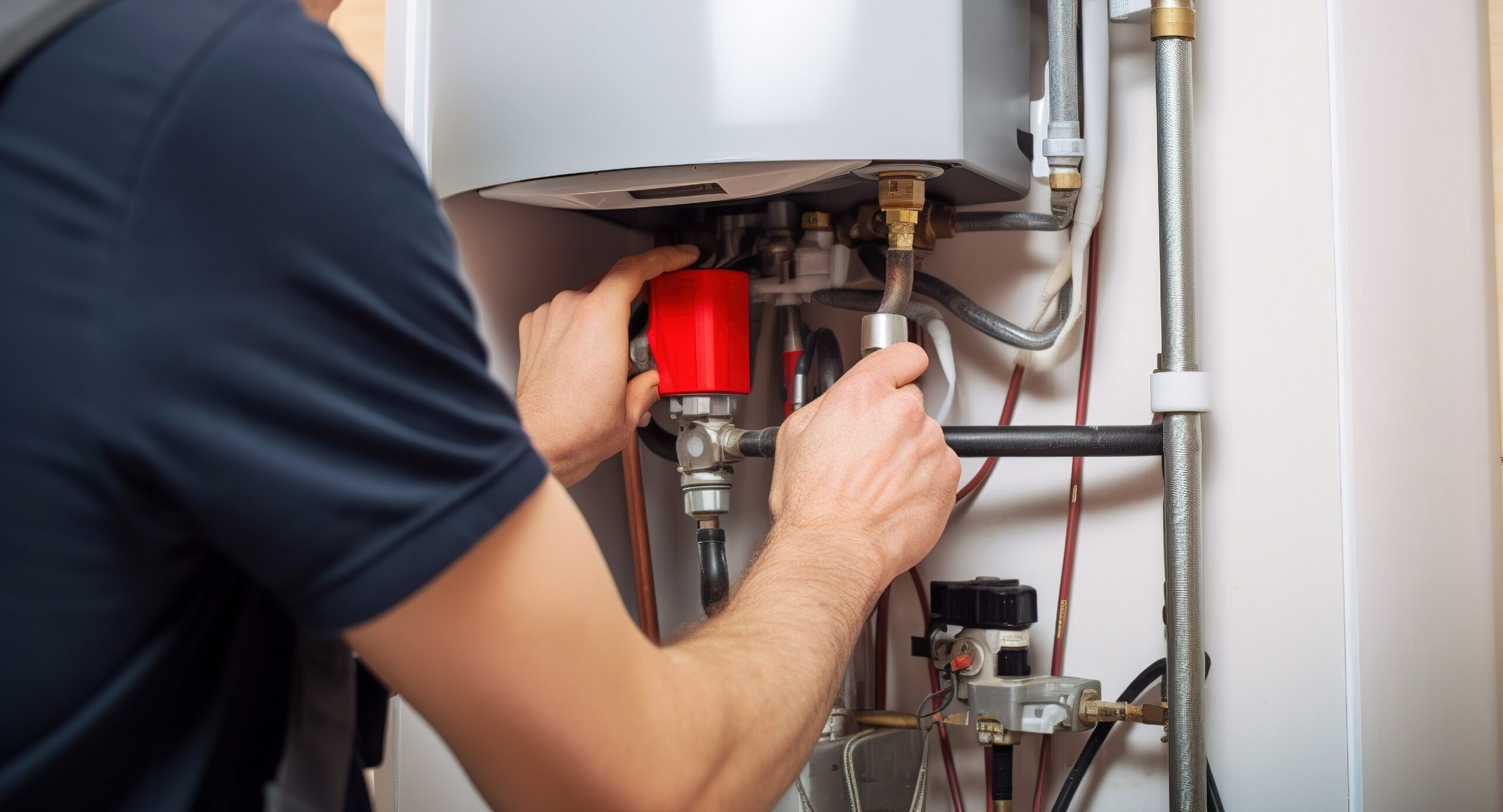
If you notice water with fluctuating temperatures, reduced supply, or strange smells and noises, your heater may be sending early signs of distress. Cloudy water with a metallic taste can suggest rust or sediment buildup, while popping noises may mean minerals are accumulating at the bottom. For electric models, no hot water at all may point to a tripped circuit breaker or a failed heating element. With gas heaters, a lack of hot water could mean a blown-out pilot or a gas supply issue. Remember, diagnosing is not troubleshooting. If damage is suspected, it’s wise to leave it to an experienced technician—especially if pressure release valves or gas lines are involved.
How a Home Warranty Can Protect Your Water Heater
Water heaters are one of the home systems most frequently covered under a home warranty plan. They’re not only high-use but also expensive to repair or replace. A home warranty helps bridge the financial gap when systems fail from normal wear and tear—not freak accidents or neglect, but the kind of breakdown that happens over years of use. With coverage in place, homeowners avoid urgent, costly out-of-pocket repairs and have immediate access to qualified technicians through the warranty provider’s network. This can be exceptionally valuable during winter months, when a sudden loss of hot water has real impact. Choosing a plan that includes water heater coverage gives homeowners predictable service fees and year-round peace of mind.
When to Replace Versus Repair Your Water Heater
Replacing your water heater is a major investment, so it’s smart to weigh the benefits and costs. If your unit is over 10 years old, requires frequent repairs, or shows signs of corrosion, replacement is likely the more economical option. For newer units experiencing isolated issues—a failed thermostat or heater element—repairs may be sufficient. Energy efficiency is another consideration: newer models consume less power and could qualify for rebates or tax incentives depending on your state. When calculating potential costs, combine the projected repair invoice and expected energy savings. If your water heater is nearing the end of its typical service life and your warranty doesn’t cover repair, replacing it might save long-term hassles and expenses.
Why Choose Armadillo for Water Heater Coverage?
A reliable water heater is a fundamental comfort. But when it stops working, the disruption can be immediate and costly. Armadillo makes it easier for homeowners to prepare for the unexpected. Our home warranty plans are designed to cover critical systems—including your water heater—with no red tape and no hassle. Whether you’re covering an older unit or planning ahead with a new installation, Armadillo simplifies repairs, arranges trusted service providers, and keeps your finances protected from surprise breakdowns. Ready to get started? Visit our homepage to learn about coverage options, or start customizing your plan right away using our intuitive online experience at our plan builder.