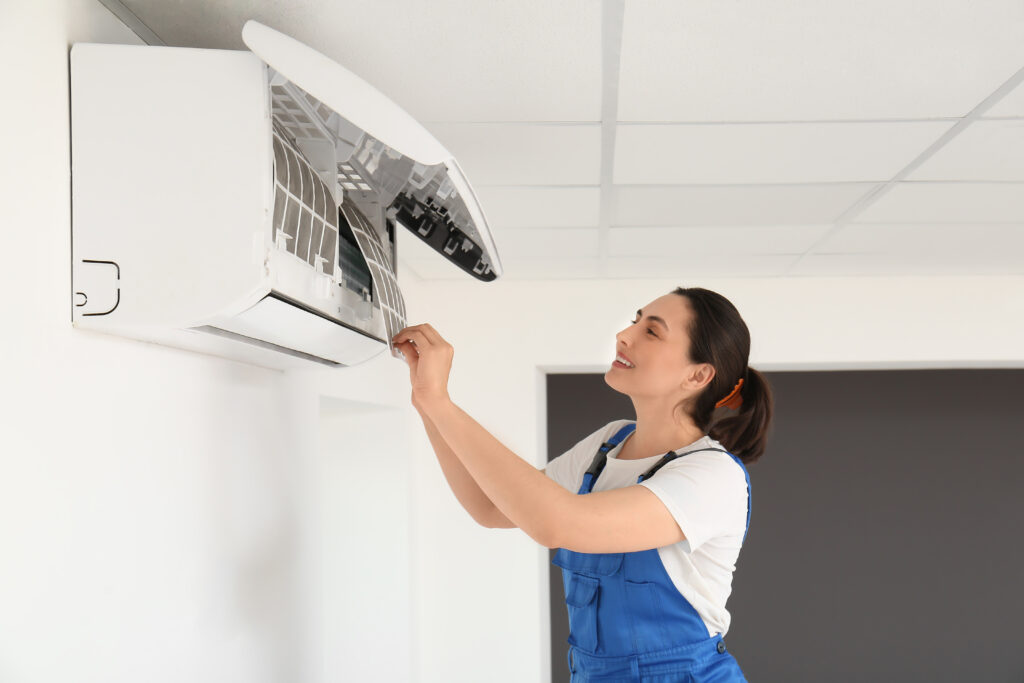

Understanding Your HVAC System: What It Does, Why It Matters, and How to Protect It
For most homeowners, the HVAC system is one of the most critical yet often misunderstood parts of their home. You know it keeps you warm in the winter and cool in the summer, but beyond that, many aren’t exactly sure what it really does—or what to do when something goes wrong. Given its importance to year-round comfort and energy efficiency, a clear understanding of how HVAC systems work, along with the benefits and risks of ownership, is essential. If you’ve recently closed on a home or are looking to better maintain what you already have, becoming HVAC-savvy puts you on firmer ground when it comes to repair decisions, replacement considerations, and price negotiations. All of this is especially relevant if you’re protected by a home warranty. Let’s break it down.
What Is an HVAC System?
HVAC stands for heating, ventilation, and air conditioning. It’s an integrated system designed to regulate indoor temperature, humidity, and air quality in your home. HVAC systems typically include a furnace or heat pump, air conditioner, ductwork, thermostats, and sometimes air purifiers or humidifiers. Whether you live in a snowy climate or endure humid summers, your HVAC adapts to keep things balanced—moving heated or cooled air throughout your space as needed.
Depending on the home, setups vary. Some have centralized systems that control the entire house through one hub. Others are made up of separate cooling and heating units. Many modern systems are programmable and digitally connected to smart thermostats. Regardless of the format, their job remains consistent: keep indoor environments livable, stable, and efficient throughout the year.
How Does an HVAC System Work?
The process behind HVAC is fairly straightforward—but it’s doing a lot more than you might expect. The air conditioner compresses refrigerant gas (think freon) and circulates it through coils to absorb heat energy from indoor air. As the air passes over these cooled coils, the heat is transferred, and the now-cooled air is blown back into your home through ducts.
In heating mode, it’s the reverse. Furnaces burn fuel (usually natural gas or oil) or use electric heating elements to warm air, then use a blower to circulate it through your space. Heat pumps, common in milder climates, can reverse their operation to provide either warmth in winter or cooling in summer. All of this moves through a system of vents and filters, ensuring pollutant reduction and consistent circulation.
Primary Benefits of a Functional HVAC System
The major advantage of a reliable HVAC system is clear: comfort. The ability to maintain a consistent indoor temperature regardless of external conditions is essential for health and productivity. But there’s more behind the value, especially if you’re a homeowner thinking about long-term impact.
Modern HVAC systems are designed to be energy-efficient, helping you lower electricity and gas bills. Many models are now ENERGY STAR-rated, meaning they use less operating power to achieve the same result. Better systems can also play a strong role in air quality control, removing allergens, dust, mold spores, and even bacteria. For homes with asthma sufferers or allergy-prone family members, that adds significant quality-of-life gains.
Homes with updated HVAC systems also carry added market value. Buyers often evaluate system age and performance during inspections—an efficient, well-maintained unit can set your listing apart or reduce closing-time negotiations.
Common Drawbacks and Vulnerabilities
No system is flawless. HVAC equipment is built to last, typically functioning well for 10–15 years with proper care, but breakdowns can and do happen. A sudden malfunction can result in temperature loss, high energy bills, or worse—costly replacement. One of the most frustrating issues is the lack of early warning. A failing compressor or worn-out blower fan sometimes doesn’t show signs until it quits completely.
Another challenge is maintenance. HVAC systems need regular air filter replacements, ductwork inspections, coil cleanings, and thermostat calibrations. Without this upkeep, energy efficiency suffers and your system may age prematurely. Ignoring upkeep can even void manufacturer warranties, leaving you entirely exposed to repair costs.
Finally, labor and parts can be expensive. Even minor fixes often involve specialized skill sets and diagnostics. A simple refrigerant leak repair or ignition sensor adjustment quickly becomes a several-hundred-dollar job, and full unit replacement can range from $4,000 to over $10,000, depending on the system type and home layout.
Signs Your HVAC System May Need Service
Pay attention to what your system tells you—it usually gives subtle signals before something serious occurs. Inconsistent temperatures across different rooms often mean poor duct airflow or thermostat trouble. Short-cycling, or turning on and off too quickly, may indicate sensor or control board malfunctions.
Unusual noises—rattling, buzzing, or hissing—can mean anything from a loose motor belt to refrigerant leaks. And skyrocketing utility costs without any notable change in weather or usage are typically a red flag for system inefficiencies or undetected damage. If your unit is more than 10 years old and repair needs are becoming frequent, replacement might be more economical in the long run.
How a Home Warranty Protects Your HVAC System
Let’s be honest—HVAC repairs are not something any homeowner wants to budget for out of pocket. That’s where a home warranty becomes more than just paperwork; it becomes a layer of financial insulation. A comprehensive home warranty plan typically covers major components of your HVAC system under standard coverage, including the compressor, blower motors, ductwork, and sometimes even thermostats.
If you experience a failure, your home warranty lets you file a claim instead of scrambling for an emergency technician at full retail rates. Most plans involve a predictable service fee, making costs manageable and transparent. This not only saves money but reduces the guesswork and stress during an already uncomfortable situation—especially if it happens during peak summer or winter seasons when HVAC professionals are in high demand.
Tips for Maximizing HVAC Longevity and Efficiency
While repairs will occasionally be necessary, the best defense is a proactive approach. Schedule seasonal tune-ups before temperatures swing in either direction. This includes checking refrigerant levels, tightening electrical connections, and confirming burner function. Change your air filters every 30 to 90 days, depending on your usage and household conditions.
Keep vents unobstructed and dust-free to allow for clean, even airflow. If your thermostat isn’t programmable, upgrade to one that allows energy-saving settings while you’re asleep or at work. Many smart systems can even detect usage patterns and adapt over time. Lastly, keep outdoor units clear of debris and shaded from extreme sunlight—this reduces strain on the compressor and can slightly lower energy use.
Partnering with Armadillo for Total HVAC Peace of Mind
Your HVAC system plays an essential role in how you live and how well your home performs. With so much depending on its function, having a safety net in place isn’t just smart—it’s essential. That’s where Armadillo comes in. As a modern home warranty provider, we offer HVAC system coverage designed for real-world living, protecting homeowners from surprise costs and long repair delays. And when you service your unit proactively while backed by Armadillo’s responsive support team, you can go into every season with confidence. Get started by exploring coverage options at armadillo.one or begin customizing your plan today with our streamlined tool at Plan Builder.