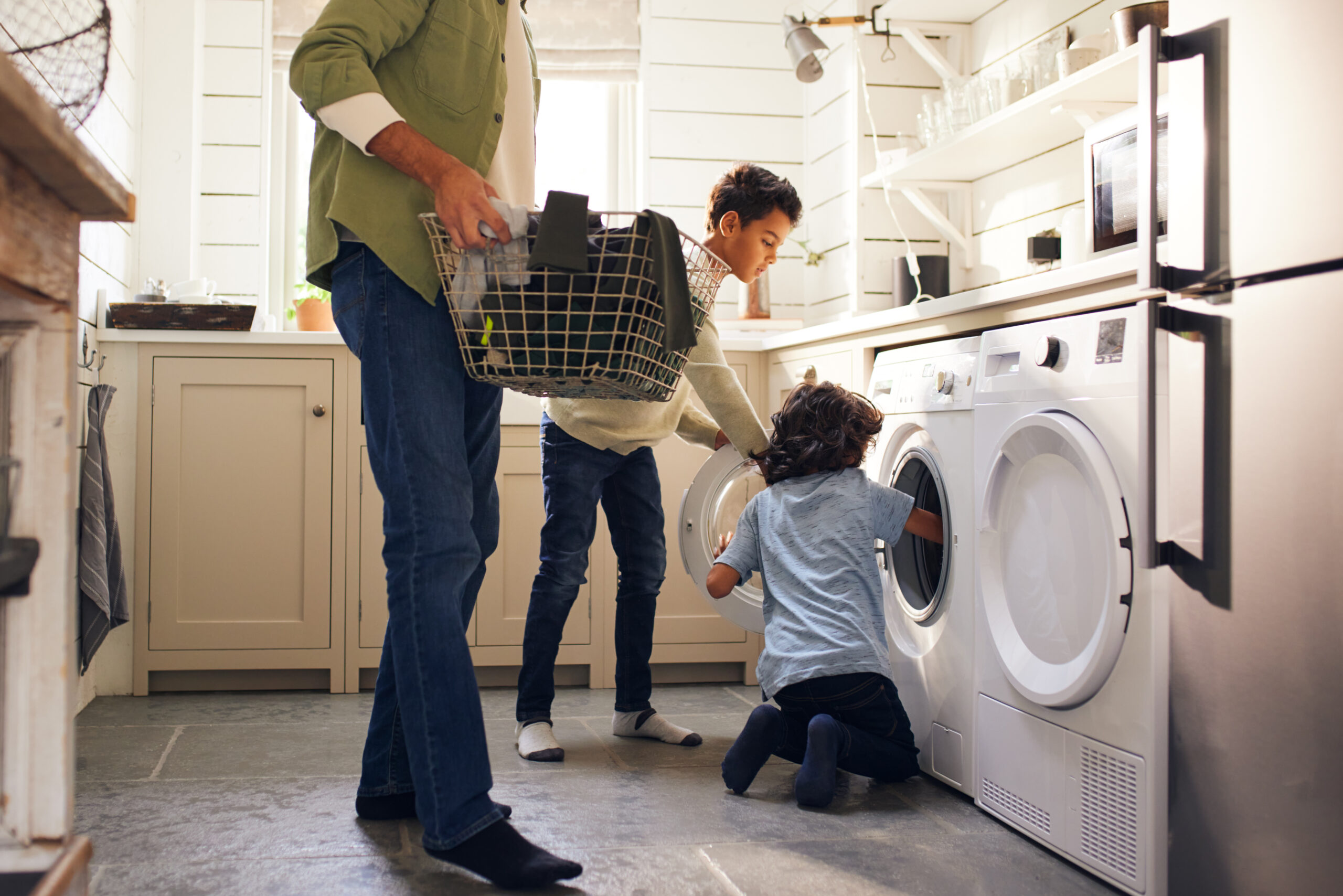
How to Prevent Shirts from Shrinking: A Homeowner’s Guide to Caring for Your Washer and Dryer
Shrunken shirts are frustrating. You loved that shirt, wore it once, and now it fits a child. As a homeowner, it’s easy to overlook your laundry habits in the rush of daily life. But repeated shrinking, fading, or damaged fabrics often points to more than just careless folding. It signals misuse—or misunderstanding—of one of your home’s most essential appliance pairs: the washer and dryer. More than just machines that clean your wardrobe, your laundry appliances can affect the longevity of your clothing, your utility bill, and the health of your home systems over time.
Understanding the Laundry System in Your Home
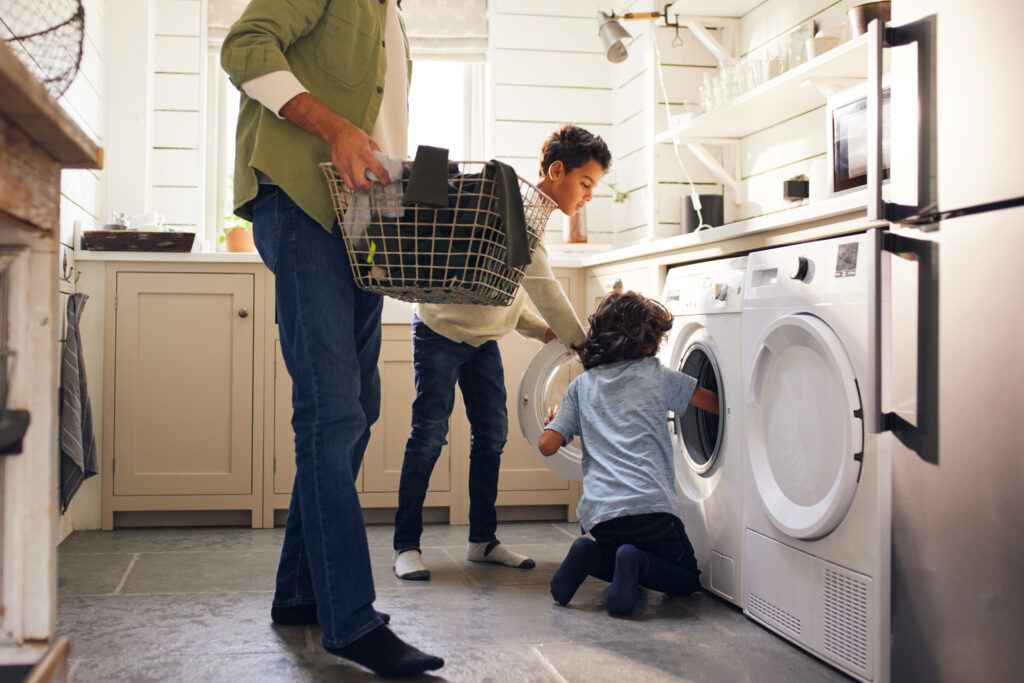
The washer and dryer function as a two-part system, working in tandem to help maintain the cleanliness and quality of clothing and household fabrics. Your washer uses water, detergent, and pre-programmed cycles to remove stains and dirt, while the dryer removes moisture with heat and ventilation. When these machines run efficiently and are used appropriately, fabric care becomes simpler. When neglected or poorly managed, you’ll see immediate impacts: shrinking clothes, high energy bills, or worse, mechanical failure.
What Causes Clothes to Shrink?
Shrinking generally happens due to heat, agitation, or a combination of both. Natural fibers like cotton, wool, and linen are especially vulnerable. During washing, high heat can relax fiber tension in those fabrics, and aggressive spinning or tumbling during drying can consolidate the fibers, essentially tightening them up. The main causes? High water temperatures, prolonged drying cycles, and overloaded machines. A predictable pattern for those who don’t often monitor appliance settings or perform regular maintenance.
The Role of Your Dryer in Fabric Damage
Dryers are particularly notorious for shrinking clothes because of the sustained high temperatures they use to evaporate moisture. If your dryer has a broken thermostat, clogged ventilation, or worn-out moisture sensors, it may overheat unintentionally. Unfortunately, this is one of the most overlooked maintenance issues in homes. A malfunctioning dryer doesn’t just shrink shirts—it can over-dry towels, fade linens, waste energy, and in worst cases, cause a house fire. Knowing the condition of your appliance and catching these issues early is critical.
The Right Way to Wash: Preserving Fabrics with Proper Washer Use
One of the most effective ways to avoid shrinking is by developing consistent laundry habits centered on washer capability and fabric needs. Using cold water for most cycles is the safest default. Delicate cycles reduce agitation, essential for softer or knit fabrics. Never overload your washer—when clothes don’t circulate freely, the friction creates fabric stress. Regular maintenance, such as cleaning the detergent drawer and running empty hot cycles with bleach, extends appliance life and keeps clothing intact. Improper washer use isn’t just a detergent problem; it’s an appliance performance issue too.
Common Dryer Settings That Help Avoid Shrinking
Your dryer offers multiple settings for a reason, and using the default “high heat” for every cycle is a mistake. Opt for lower heat or even air-dry settings when possible. Permanent press functions are designed to smooth wrinkles without blazing hot air. Timed drying can also help, but only if you understand how long your fabrics actually need. Don’t overlook the moisture sensor cycles—when working properly, they shut off the dryer automatically when clothes are appropriately dry. And if your dryer doesn’t have these features, it may be time to consider an upgrade. Intelligent use saves both wardrobe and electricity.
Appliance Maintenance and How It Keeps Your Clothes Safe
Routine maintenance of laundry appliances is the hidden key to long-term clothing care. Dryer lint traps should be emptied after every use. Vents need to be cleaned professionally at least once a year to enhance airflow and prevent overheating. Washers benefit from monthly drum clean cycles to remove internal buildup that leads to odors and compromised washes. When dryers run too hot or washers fill unevenly, it mostly comes down to user oversight or internal wear. Treating your appliances like long-term investments means you’ll avoid more than shrunken shirts—you protect your household budget from larger repair needs.
What Happens If Washer or Dryer Issues Go Unchecked?
Unresolved issues in laundry appliances often result in more than garment damage. Over time, unchecked friction and heat stress internal machine components. Machines may become noisier, cycles may take longer, bills may creep up. Mismanaged detergents or overloads put strain on motors, belts, and heating elements—components not designed for abusive use. With time, these issues compound. At that point, you’re not just facing one poorly fitting T-shirt but a major appliance replacement cost. All of which could have been mitigated with preventive care, early detection, or coverage through a reliable home warranty provider.
Protect Your Wardrobe—and Your Budget—with Armadillo Home Warranty
Avoiding shrinking clothes isn’t just about laundry tips—it’s about keeping your washer and dryer running smoothly for the long haul. At Armadillo, we help homeowners protect the appliances they depend on every day, including washers and dryers. Our plans cover the repair or replacement of mechanical failures due to normal wear and tear. That way, if your dryer suddenly starts overheating or your washer won’t spin correctly, you’re not left scrambling—or spending thousands. Intelligent home protection starts with a clear plan, and that starts with us. Learn more about our coverage options at armadillo.one or start building your custom home warranty plan today at this link.