What Direction Should a Fan Go in the Summer? A Practical Guide for Homeowners
Ceiling fans are a small but essential component of maintaining energy efficiency and indoor comfort. Especially during the summer months, the direction your ceiling fan spins can significantly impact not only room temperature but also your monthly energy bills. While this detail might seem minor, many homeowners overlook this simple adjustment. Let’s break down the science behind fan direction, how it connects to your home’s HVAC system, its role in climate control, and why understanding these basics matters for both comfort and cost-efficiency. It’s an often missed detail in the world of home maintenance, but one with outsized benefits when managed correctly.
Understanding Ceiling Fan Direction
Most ceiling fans come with a reversible motor that allows the blades to spin in two directions: clockwise and counterclockwise. This feature allows your ceiling fan to enhance your HVAC system, offering year-round efficiency. In the summer, the blades should rotate in a counterclockwise direction. This motion pushes air straight down, producing a cooling breeze effect often referred to as the “wind chill” effect. It doesn’t actually reduce the room temperature—but it can make it feel cooler, allowing you to raise your thermostat by a few degrees without sacrificing comfort. This single adjustment can significantly influence how evenly temperatures are distributed across rooms, reducing the load on your air conditioning system.
How to Determine Fan Direction
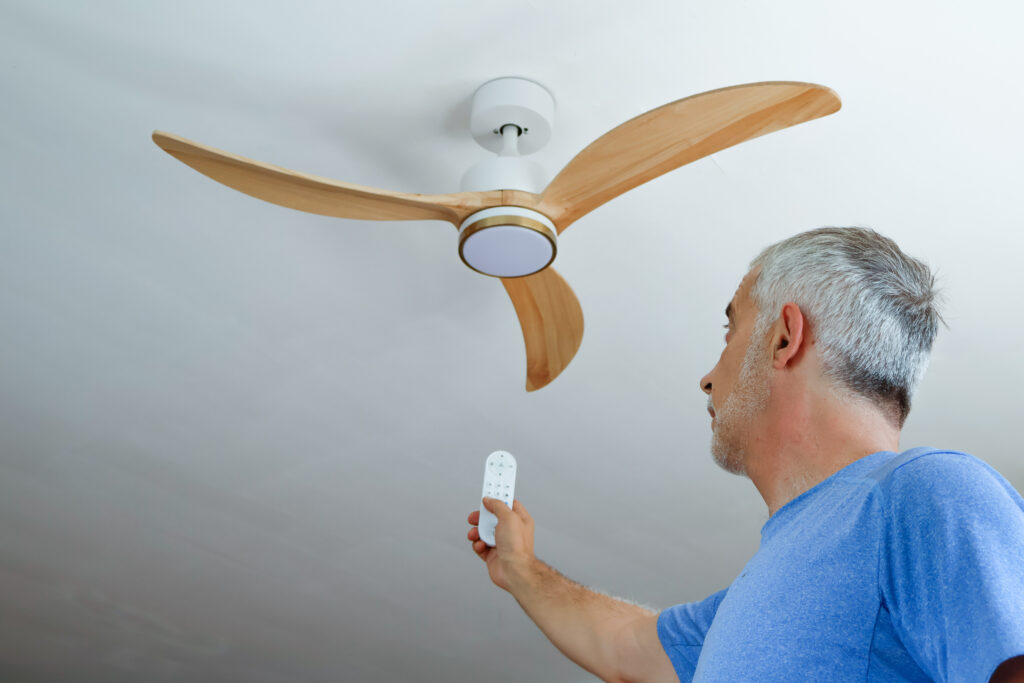
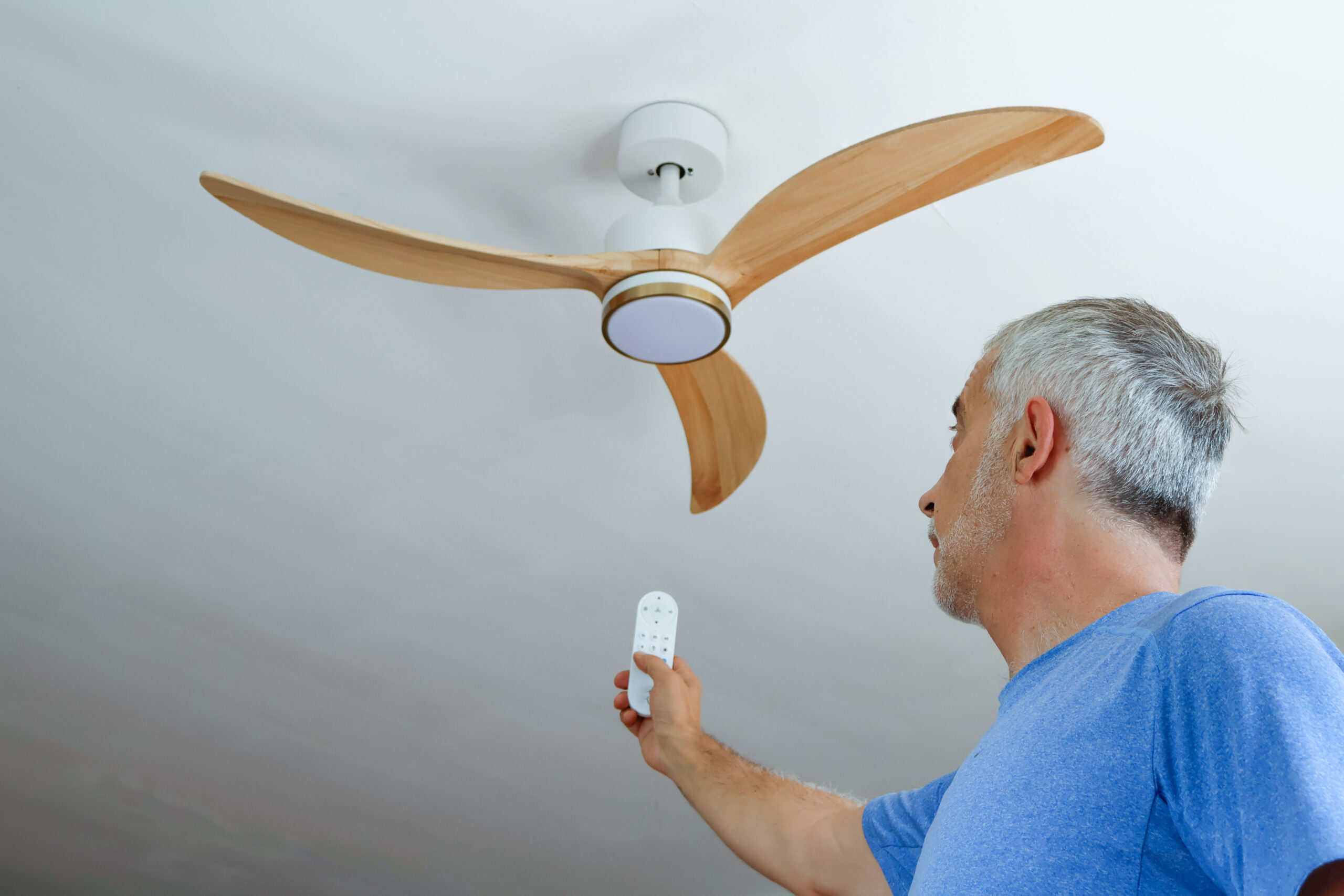
Stand directly beneath your ceiling fan while it’s running at its highest speed. If you feel a strong breeze, it’s set to the correct summer direction—counterclockwise. Visually, the blades should move from left to right, or anticlockwise, depending on your viewing angle. If the airflow feels weak or you’re unsure, turn off the fan and locate the switch on the motor housing, usually on the side. Toggle it and turn the fan back on to test the airflow again. Many newer fans also come with remote controls or mobile automation features, allowing you to reverse direction digitally. Understanding this small mechanic can bridge the gap between a room feeling stuffy and one that promotes optimal airflow.
How Ceiling Fans Support Your Cooling System
Your HVAC system carries the bulk of your home’s climate control responsibilities, but ceiling fans are the unsung heroes of air distribution. By promoting air movement, fans help reduce cold spots and improve overall circulation. In summer, when ceiling fans are spinning counterclockwise, they allow your air conditioner to run less frequently. By elevating the thermostat and employing fans in occupied rooms, your HVAC unit burns less energy while maintaining consistent comfort levels. Less mechanical strain extends its lifespan, improves efficiency, and minimizes the frequency of repairs. Homeowners quickly discover that fan direction has a direct line to functional, not just physical, comfort.
Advantages of Proper Fan Rotation in Warmer Months
There are both immediate and long-term advantages to using your ceiling fan wisely in the summer. First, there’s tangible energy savings. By raising your thermostat setting by just three to four degrees and running your fan counterclockwise, homeowners can reduce cooling costs by up to 15 percent. Then there’s improved comfort. Air becomes more dynamic, reducing the heavy, stagnant feeling often found in poorly ventilated rooms. You’ll also see reduced burden on your central air unit, which equates to fewer mechanical issues over time. Another less discussed benefit is better indoor air quality—air movement helps reduce the buildup of allergens, dust, and contaminants, creating a more breathable environment.
Common Misconceptions and Drawbacks
Many homeowners mistakenly believe that ceiling fans actually lower room temperature. In truth, fans cool people—not spaces. Running your fan in an empty room provides no benefit and only consumes electricity unnecessarily. Another frequent mistake is assuming all fans rotate the same by default, but brand variations and model differences make this assumption risky. Additionally, older fans may not have a directional switch, and attempting to reverse them manually can damage the motor. Overuse can also create pressure imbalances in homes with poor insulation, slightly disrupting overall HVAC efficiency. Lastly, misusing fan direction during the shoulder seasons—when outside temperatures vary—can work against your system unless properly adjusted to climate needs.
Fan Direction and Smart Home Integration
Modern home improvements increasingly involve smart technology. Many ceiling fans today integrate with home automation systems or smart thermostats. With platforms like Google Home, Amazon Alexa, or SmartThings, ceiling fan direction and speed can be adjusted through apps or voice commands. That kind of seamless integration has two primary outcomes. First, it simplifies routine tasks. Second, it enhances your responsiveness to shifting indoor conditions. These intelligent systems often utilize humidity and temperature sensors, triggering appropriate changes in settings. The result is a balanced, cost-effective solution where fan direction naturally complements your overall climate control strategy, without asking for much attention from the homeowner.
When to Rethink or Replace Your Ceiling Fan
Ceiling fans, like any other mechanical device, have a lifespan. Signs of inefficiency—wobbling, inconsistent speed, or faulty switching—may indicate it’s time for a replacement. Performance loss could mean the power consumption outweighs comfort gains. In some older homes, ceiling fans were sized or placed more for aesthetics than functionality. Modern fans are designed with better blade curvature, energy-efficient motors, and more advanced balancing systems, all of which contribute to superior airflow. When upgrading, look for Energy Star-rated models and consider fan size relative to room dimensions. A properly chosen and well-functioning fan enhances not only comfort but safety and longevity of your home’s cooling system.
Stop Guessing. Protect Every Detail of Home Comfort with Armadillo
Understanding something as specific as ceiling fan direction can feel minor. But it’s often these quiet efficiencies that determine whether your home systems are merely functioning—or functioning wisely. And when one piece falters, like an overburdened HVAC system or a failing fan motor, your comfort and costs take the hit. That’s where Armadillo comes in. We deliver modern home warranty protection designed to support homes at every angle—from monthly maintenance to large system repairs. Whether it’s ceiling fans, climate control, or full HVAC coverage, Armadillo ensures you can focus less on what might go wrong and more on keeping your home cool, comfortable, and confident year-round. Get started today by visiting our homepage at armadillo.one or begin building your custom plan at our plan builder.