Why Is Your Outside AC Unit Frozen and What Should You Do?
It’s a midsummer afternoon. The sun is blazing, humidity is high, and you walk inside expecting crisp, cool air—only to be greeted by a strangely stuffy atmosphere and a humming HVAC system that doesn’t seem to be doing much of anything. You step outside to investigate and realize your air conditioner’s outdoor unit is frozen, encased in a layer of ice that seems entirely out of place. How can a piece of equipment designed to cool your home freeze over in the middle of a heatwave? If you’re a homeowner—especially one protected by a home warranty—this is more than a head-scratcher; it’s a headache waiting to escalate. Let’s break it down for you.
What Is an Outdoor AC Unit and How Does It Work?
Your air conditioner is more than just the box mounted outside. It’s a complex system made up of multiple components working together to extract warm air from your home and replace it with cool air. The outside unit, often referred to as the condenser, is crucial to this process. It houses the compressor, condenser coil, and a large fan. Essentially, the indoor unit pulls warm air from your home, pushes it over an evaporator coil filled with refrigerant, and cools the air before sending it back in. The heat pulled from your home is transferred outside via the condenser. It’s a continuous, closed-loop cycle—until something interrupts it.
Why Does an Outdoor AC Unit Freeze?
It feels counterintuitive. Freezing is a winter issue, right? Not exactly. A frozen AC unit in the summer is actually a common and serious HVAC malfunction. The most typical reasons behind a freezing unit include restricted airflow, low refrigerant levels, malfunctioning parts like the fan motor, or dirty coils. When air can’t properly circulate through the system, or when refrigerant levels fall off balance, the evaporator coil can become colder than it should. Moisture in the air then condenses on the coil and freezes over. Eventually, ice coils its way through the lines and reaches the outside condenser unit, hampering performance or stopping it entirely. That’s when the ice becomes visible—and your home becomes uncomfortably warm.
Common Warning Signs Before a Freeze Occurs
Units rarely freeze overnight without warning. Small symptoms often go unnoticed until it’s too late. Maybe you’ve heard strange noises from your outdoor unit. Maybe airflow has decreased inside the house, or you’ve noticed warm air blowing from the vents. Spikes in your energy bill with no recent thermostat changes can also be a red flag. These indicators often point to underlying mechanical or airflow issues that, left unchecked, trigger a freeze. Early maintenance and swift detection are your best defenses against an expensive and inconvenient repair.
The Role of Refrigerant and Electrical Grounding
Two lesser-known culprits in the freezing saga are refrigerant imbalances and grounding issues. Low refrigerant levels can cause the evaporator coil to absorb more heat than it should, dropping in temperature and causing ice buildup. Leaks or aging systems are usually to blame. Electrical grounding issues, although less common, can also trigger malfunctions across the unit. When an AC unit isn’t properly grounded, it’s susceptible to electrical inefficiencies or short-circuiting. That can miscommunicate signals across the thermostat and components, speeding up conditions for a coil freeze or complete system shutdown. It’s a subtle but dangerous fault that professionals need to address.
What Can You Do When the Unit Is Frozen?
First, turn the system off—completely. Running a frozen system can lead to compressor damage, often the most expensive component to replace. Next, allow the unit to thaw naturally, which may take several hours depending on weather conditions. Avoid the temptation to manually chip away the ice; you can damage delicate fins and coil elements. Once thawed, swap out your air filter if it’s dirty, make sure air vents throughout your home are open and unblocked, and check the outdoor unit for debris. If the system refreezes after restarting, it’s time to call in a certified technician who can diagnose the deeper cause—likely tied to airflow restriction, refrigerant low charge, or an electrical issue.
How Home Warranties Address Frozen AC Units
In the home warranty industry, air conditioning issues are among the most common claims—especially during peak summer months. A frozen outside AC unit may often be covered if the root cause stems from normal wear and tear or a rupture in essential components like the coil or fan motor. However, neglect, such as failure to perform routine filter changes or inadequate maintenance, usually isn’t covered. That’s where selecting the right home warranty provider becomes critical. A well-structured policy ensures that when critical systems falter—whether from age, use, or failure—you’re not footing the entire repair or replacement bill solo. For homeowners, it’s an affordable layer of protection that can turn an emergency into a manageable service call.
Preventive Maintenance to Avoid Frozen Units
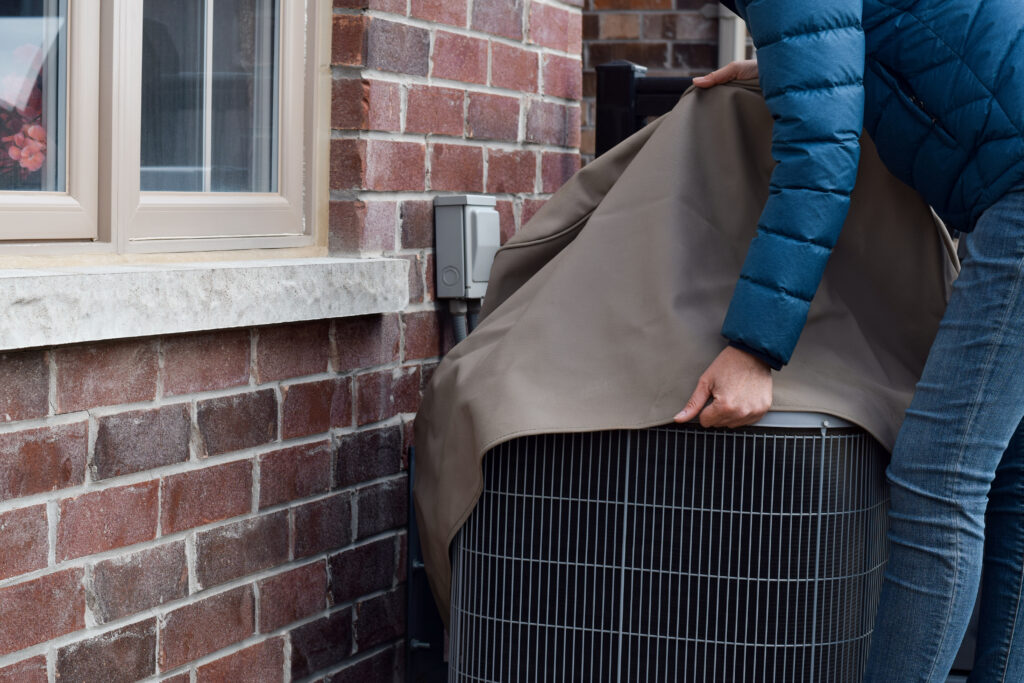
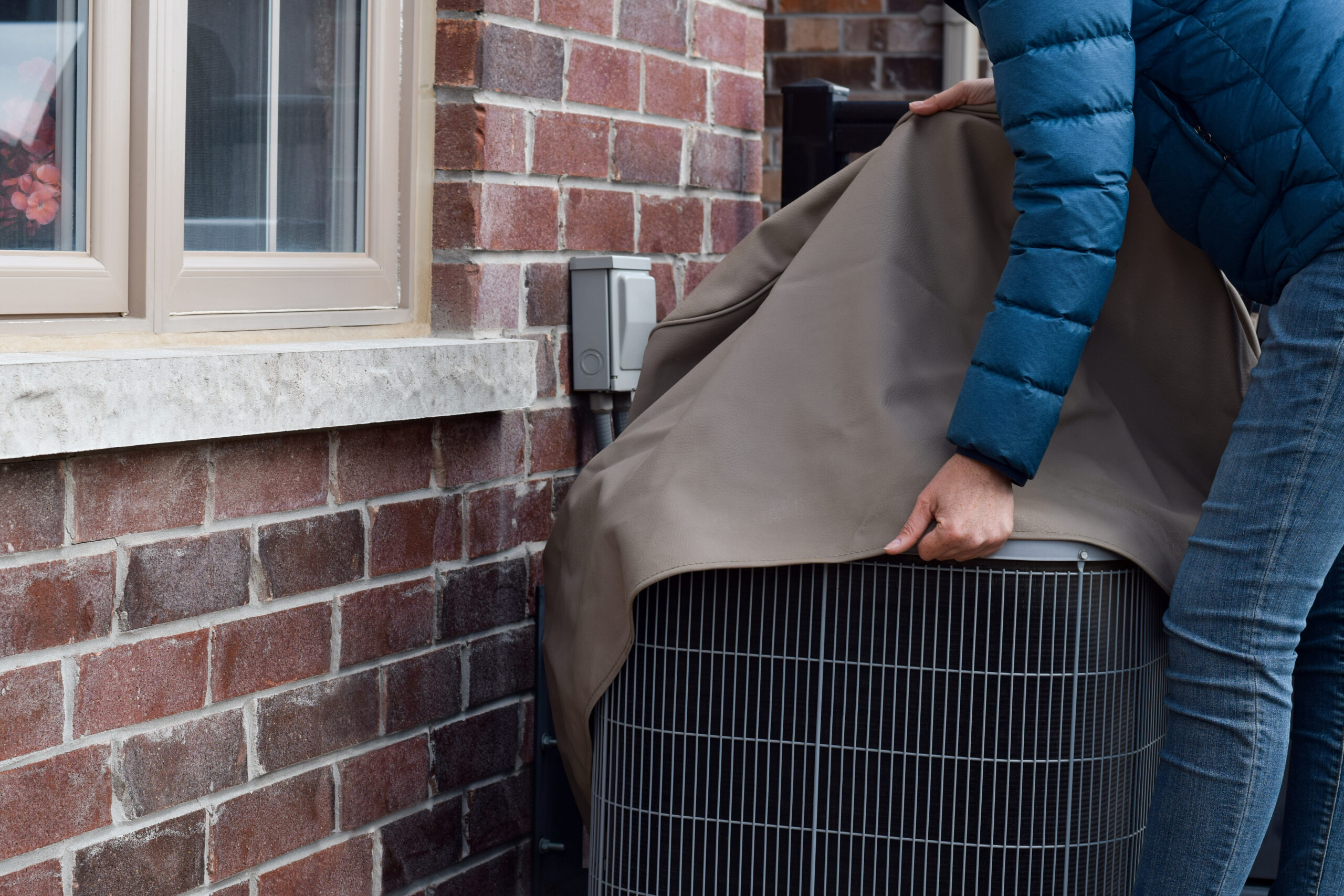
As with most things in the home, preventive maintenance pays dividends. Schedule biannual inspections—ideally in early spring and fall—to ensure your HVAC system is working as intended. Replace your air filter every one to three months depending on use and filter rating. Clear the area around the outdoor unit of leaves, branches, and debris to ensure steady airflow. Monitor refrigerant levels and have coils cleaned annually by a professional. Remember that systems typically show signs of strain before failing. Catching those early can be the difference between a minor adjustment and a full system failure.
Protect Your HVAC System with Armadillo
A frozen outside AC unit isn’t just frustrating—it’s disruptive and costly. With Armadillo, you gain more than a warranty; you get peace of mind. Our smart, predictable protection plans cover aging home systems, including HVAC components that freeze from wear, failure, or refrigerant issues. If your AC falters on the hottest day of the year, you’ll want the rapid response and trusted professionals that come standard with Armadillo’s coverage. Discover better home protection at www.armadillo.one or start building your custom plan today at this link. With Armadillo, frozen systems won’t freeze your budget.