




















What Is Home Warranty

Resources

Washer Repair Guide: Diagnose, Fix, and Prevent Breakdowns

How to Fix a Washer: A Homeowner’s Guide to Understanding, Diagnosing, and Maintaining Your Washing Machine

Washing machines are one of the most heavily used appliances in modern homes, and when they break down, the disruption feels immediate. From mysterious noises to standing water, washer issues can appear suddenly—but often, they’re symptoms of underlying problems that are entirely fixable. Understanding how your washer works, how to identify common issues, and when to repair or replace it empowers you to make smart, cost-effective decisions. Whether you’re considering a DIY fix or evaluating the value of a home warranty for coverage, this article breaks down everything you need to know in practical, actionable terms.

Understanding How a Washing Machine Works

Your washing machine is a complex system of mechanical and electronic components engineered to clean your clothes efficiently. At its core, the machine works through a combination of water intake, agitation, rinsing, and spinning. Cold or hot water enters through the inlet valve, fills the drum to a specified level, and mixes with detergent. The motor and agitator or impeller then begin movement to loosen dirt from the clothing. After the cycle completes, the washer drains the dirty water and spins the clothes to wring out excess moisture.

Washers come in two main designs: top-loading and front-loading. The core function is the same, but the internal mechanics and water usage strategies differ. Front-loaders are often more efficient in terms of water and energy consumption, while top-loaders generally offer faster wash times and simpler mechanics. Regardless of the design, understanding the workflow is the first step in diagnosing problems when they arise.

Top Causes of Washer Failure

If your washer stops working properly, there’s usually a clear explanation. The most common point of failure is the motor—not surprising considering it works hardest during the wash and spin cycles. Belts and pulleys may wear out or break over time. Drain pumps and filters can become clogged. Meanwhile, electrical components such as the control board or door lock mechanism may malfunction, especially in newer, more electronically complex models.

Some issues are fixable with basic tools and a bit of careful inspection. Others require professional service or, in worst cases, full replacement. Indicators of trouble include excessive vibration, standing water, water not draining, strange noises during spin cycles, or the machine refusing to start at all.

Diagnosing the Problem Accurately

Accurate diagnosis is critical. Start with the obvious signs. If your machine doesn’t turn on, rule out simple electrical issues—check that it’s plugged in and that the circuit breaker hasn’t tripped. If water won’t drain, examine the drain hose and pump for clogs. Constantly unbalanced loads or violent shaking often point to either an overloaded drum or worn shock absorbers in front-loading machines.

Many modern machines have onboard diagnostics. Follow the manufacturer’s instructions to access error codes or test modes. If you don’t know the model number, locate it on a sticker usually placed inside the door frame or on the back panel. With this, cross-reference online troubleshooting guides specific to your make and model, which can accelerate diagnosis and determine if the repair is within your skill range.

DIY Washer Repair: When and How

Certain repairs can be safely and effectively executed without calling in a professional. Replacing a drive belt, unclogging a drain pump, or cleaning out the detergent tray usually require minimal tools and straightforward instructions. Again, knowing the exact model is essential to source correct parts and follow the appropriate repair steps.

However, proceed with caution. Unplug the unit before any inspection or work. Water and electricity never mix well. Minor repairs can become major if handled incorrectly, particularly when dealing with electronic control systems or high-efficiency features. If you sense hesitation or uncertainty, calling a trained technician is a safer, more efficient choice.

When a Washer is Beyond Repair

No appliance lasts forever. The average life expectancy for a washer is between 10 to 13 years. Repairs can extend that timeline—sometimes for just a few months, sometimes for a few more years. The decision to repair versus replace should hinge on three factors: cost of repair, age of the machine, and frequency of breakdowns.

If the washer needs a new motor, control board, or drum, the cost could exceed half the price of a new unit. At that point, replacement becomes the more financially sensible route. Additionally, if the machine has required frequent service visits over the past 12 to 18 months, it may be at the end of its reliable lifespan. Investing in a more efficient, modern washer could lower future utility bills and reduce repair costs.

The Role of Preventive Maintenance

Routine maintenance is your best insurance against unexpected washer problems. Never overload the drum—doing so strains the motor and suspension. Use the correct detergent type and quantity, especially if using a high-efficiency model. Excess soap can cause buildup, leading to clogs and sensor malfunctions. Clean the detergent tray, drum, and filter every few months to prevent mold, mildew, and clogging. Inspect hoses annually for bulges or leaks, and replace them every five years regardless of appearance to prevent burst-related water damage.

Allowing the drum to air dry with the door slightly ajar after each use also minimizes mold and odor issues, especially in front-loading machines. These small habits add up over time, extending your washer’s lifespan and performance reliability.

How Home Warranties Help with Washer Repairs

Even committed homeowners with maintenance routines can’t avoid every washer issue. That’s where a home warranty becomes an intelligent layer of protection. A home warranty plan helps cover the cost of repairs or replacements when systems or appliances—like your washer—break down due to normal wear and tear. That protection can mean hundreds of dollars saved annually, and more importantly, peace of mind.

Unlike homeowners insurance, which covers events like fire or flooding, a home warranty addresses the day-to-day failures of essential home components. So when your spin cycle stops spinning or the water refuses to drain, you file a claim rather than a frantic internet search for local repair technicians. The warranty provider coordinates service, handles billing, and ensures licensed professionals do the work.

Why Armadillo is the Smart Choice for Washer Coverage

Washer breakdowns are rarely convenient and often completely unexpected. Armadillo home warranty plans are built to make those moments of stress instantly manageable. With a simple filing process, quick access to skilled professionals, and transparent coverage that includes clothes washers under standard plans, Armadillo ensures you’re never caught off-guard by a laundry room surprise. Visit Armadillo to explore all available protection options, or begin customizing your coverage today at our plan builder. When repair decisions feel urgent, Armadillo provides a smart, proactive safety net to keep your home—and your schedule—running smoothly.

Share:

Next Posts

resources

Prevent Costly AC Damage from Clogged Drain Pans Fast

AC Drain Pan Clogs and Damage: What Homeowners Need to Know Air conditioning is a vital component of home comfort, […]

resources

Heated Floor Cost Per Square Foot and Installation Insights

Understanding Heated Floors: Cost Per Square Foot and What Homeowners Should Know For homeowners considering new ways to make their […]

resources

Ceiling Fan Direction in Winter: Optimize Warmth and Efficiency

Which Way Should Ceiling Fans Spin in Winter? A Homeowner’s Guide to HVAC Efficiency Knowing which way your ceiling fan […]

Welcome to a new age of home warranty

Affordable plans.
Hassle-free home ownership.

Subscription-based protection for when major
appliances and systems break down.

Armadillo

What is Home Warranty?

Home Warranty plans cover the costs of repair or replacement of major appliances and systems like HVAC, refrigerators, dishwashers, washer/dryers and so much more.

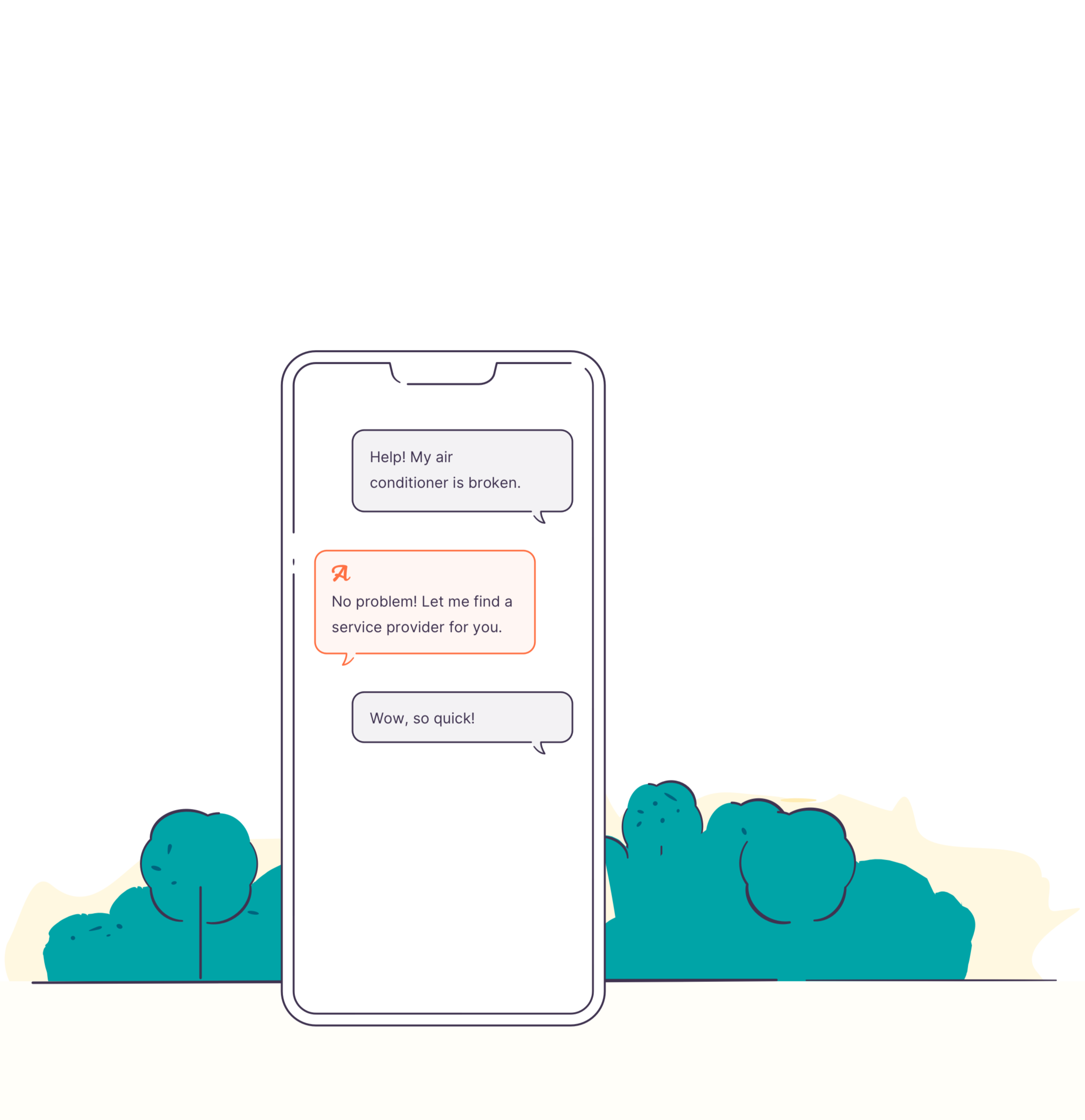
Armadillo is a technology company that makes requesting a repair and resolving the issue streamlined, easy, at your fingertips, and affordable.

Typical Home Warranty

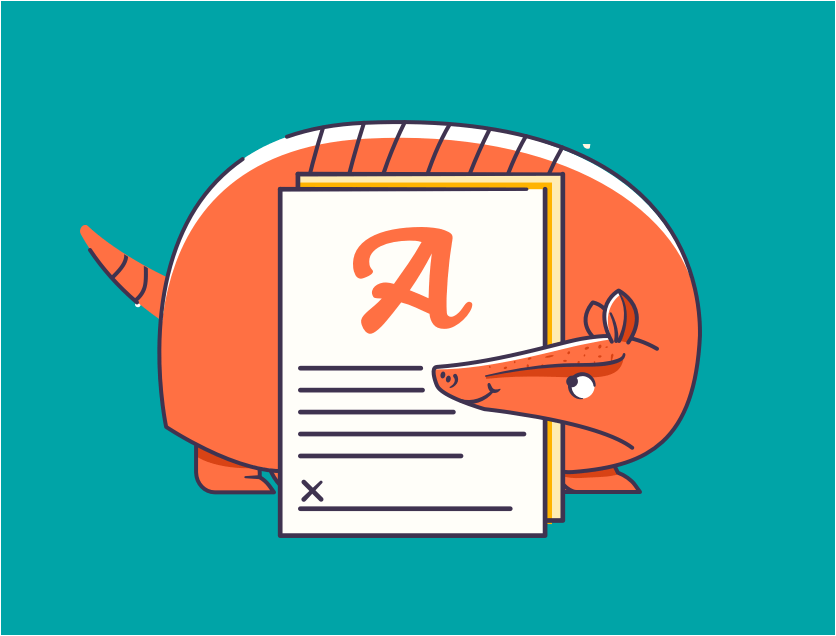
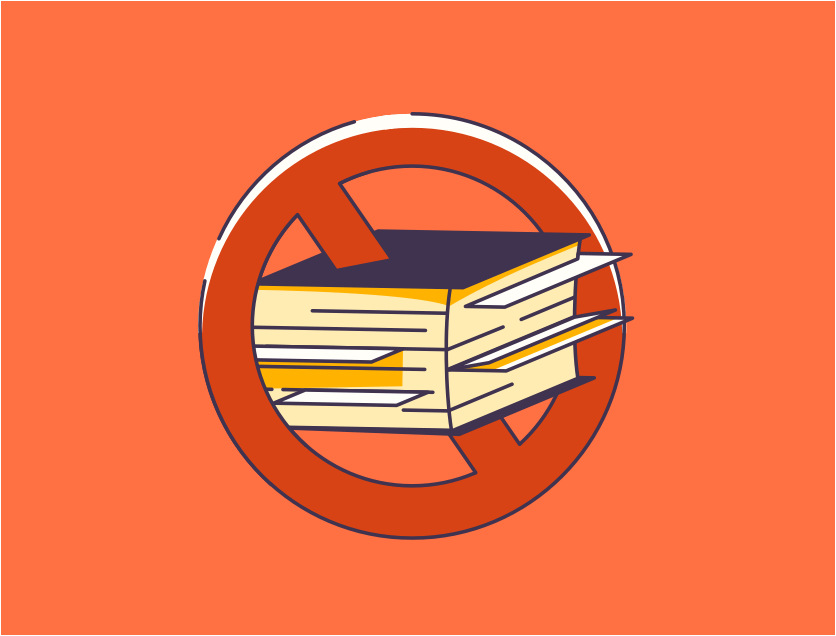
A long legal contract. More pages means more conditions and exclusions – and more reasons to deny you service.

Armadillo’s Home Warranty

Shortest, most transparent and digestible plan in the industry. That means less fine print so that we can actually deliver for you.