Ceiling Fan Direction in Summer: A Simple Change for Better Home Cooling
When temperatures soar and utility costs creep higher with every degree, homeowners search for ways to keep cool without breaking the bank. Often overlooked, the ceiling fan is one of the most effective yet underappreciated tools for home comfort. But its efficiency hinges not just on whether it’s on or off—but which direction it’s spinning. In the home warranty industry, understanding the interaction between home systems and appliances is fundamental. Ceiling fans, though seemingly simple, play a crucial role in indoor climate control and energy management. Knowing which direction your ceiling fan should rotate during the summer can improve comfort and help reduce energy expenses.
How Ceiling Fans Work
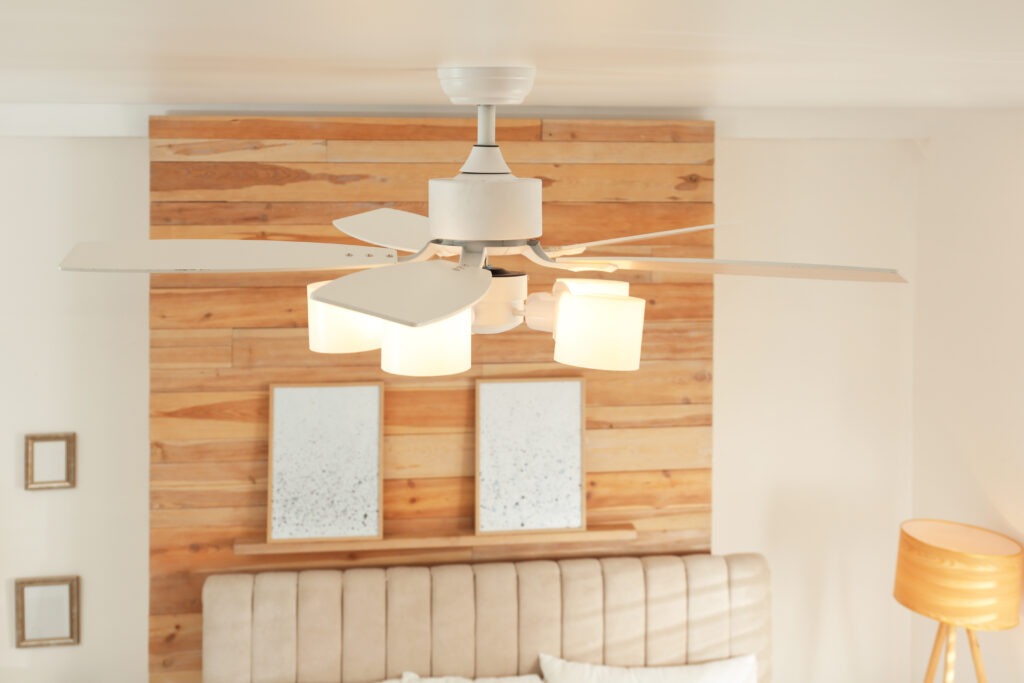
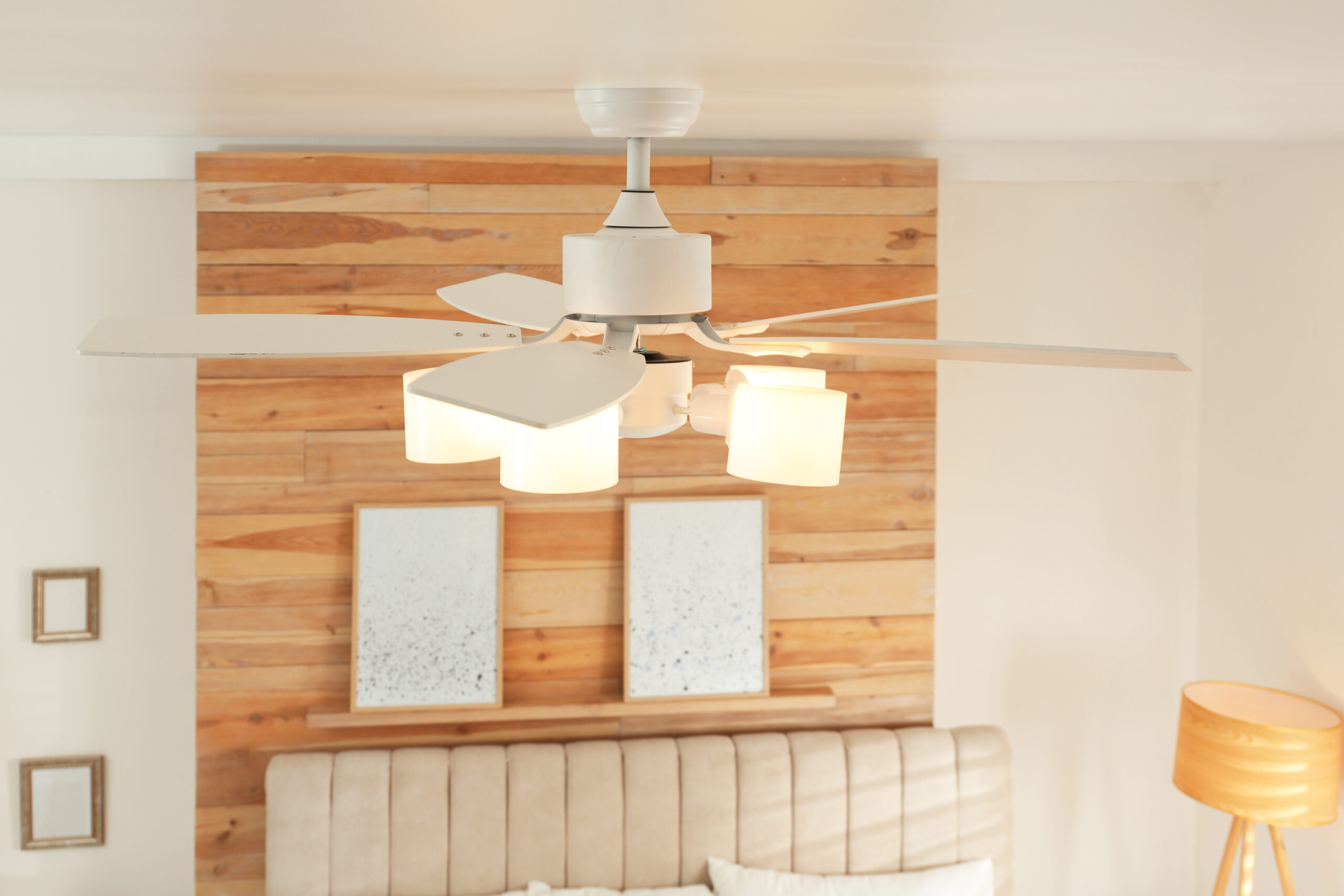
A ceiling fan doesn’t cool air the way an air conditioner does. Instead, it works by circulating air in the room, creating a breeze that helps evaporate moisture from the skin. This evaporation gives a cooling sensation, making the room feel several degrees cooler to a person, even though the air temperature remains consistent. The motor within the fan powers blades as they rotate around a central fixture. Most modern ceiling fans come with a reversible motor, which allows them to spin either clockwise or counterclockwise, depending on seasonal needs. This change of direction determines whether the fan pulls air upward or pushes it downward, significantly affecting its function in different temperatures.
Understanding the Right Direction for Summer
In summer, the ceiling fan should spin counterclockwise when viewed from below. This direction pushes air straight down, producing a wind-chill effect. When seated or standing beneath the fan, you should feel a direct, noticeable breeze. This airflow creates a perceived drop in temperature, allowing homeowners to raise their thermostats by a few degrees without losing comfort. Setting your fan to this directional flow can help optimize energy usage by reducing your reliance on air conditioning. The impact may seem small, but over several months, it translates into measurable energy savings, especially when used throughout the home in occupied rooms.
How to Switch Your Ceiling Fan Direction
Reversing the direction of your ceiling fan is typically a simple task. Most fans contain a small toggle switch located on the motor housing—though the design and placement may vary by manufacturer and model. For newer remote-controlled fans, a button on the remote or mobile app often handles the transition from clockwise to counterclockwise. It’s essential to ensure the fan is off and fully stopped before changing the direction. Once you’ve reset it to counterclockwise, turn the fan back on at a medium or high speed and stand beneath it. If you feel cool air moving directly down, you’ve set it correctly for summer use. Take this opportunity to dust the blades and check for any wobbling, which can impair efficiency and increase wear over time.
Advantages of Using Ceiling Fans in Summer
Ceiling fans offer a long list of benefits during warm weather. Chief among these is improved comfort without intensive energy consumption. Fans can make a room feel 4 to 5 degrees cooler, which reduces the need to rely solely on air conditioning. Ceiling fans also help distribute cooled air more evenly throughout a space, preventing cold hotspots near vents and stagnant air in other areas. They’re cost-effective to run, typically consuming no more electricity than a 100-watt light bulb on the highest setting. Furthermore, ceiling fans add aesthetic value and, in some cases, property value when properly installed and maintained. For homeowners with a home warranty, routine use of ceiling fans can also reduce strain on HVAC systems, potentially extending lifespan and reducing breakdown frequency.
Common Drawbacks and Misconceptions
Despite their value, ceiling fans are not without limitations. They do not lower room temperature—they only create airflow that makes occupants feel cooler. Running a fan in an empty room wastes energy without delivering any real benefit, so fans should be turned off when a room is unoccupied. Improper fan size or placement can also limit effectiveness. A fan too small for a large room might not circulate enough air, while installation on low ceilings could pose safety risks. Another issue is incorrect directional settings. Many homeowners mistakenly leave their fans spinning clockwise year-round, which is more appropriate for winter use. Understanding basic fan mechanics can help avoid such inefficiencies. Additionally, while fans are inexpensive to run, they still consume energy. Using fans in conjunction with smart thermostats and efficient windows yields the greatest payoff in energy savings and comfort.
Maintenance Tips for Optimal Fan Performance
To keep your ceiling fan performing at its peak, regular maintenance is key. Start by cleaning the blades at least once per month, as dust buildup can reduce efficiency and contribute to indoor allergens. Ensure screws and fixtures are tight to prevent wobbling, which may cause wear and additional strain on the motor. Lubrication isn’t often necessary with modern fans, but older models may benefit from periodic oiling to keep parts moving freely. Check the balance of the blades using a balancing kit or a household item as a testing reference. A well-maintained fan runs more quietly, lasts longer, and offers more consistent airflow. From a home warranty perspective, proper fan care can mitigate system stress that leads to HVAC service claims and supports a more holistic approach to household efficiency.
When to Consider Upgrading Your Ceiling Fan
Even the best-maintained ceiling fan has a lifespan. If you have a fan older than 10 to 15 years, it may be using outdated motors or inefficient blade designs. Modern fans offer energy-efficient motors, advanced controls, and improved aesthetics that can significantly enhance functionality and appeal. Some models even include reversible motors that adjust automatically with temperature sensors or integrate into home automation systems. If your fan makes excessive noise, doesn’t respond to speed changes reliably, or wobbles despite balance corrections, replacement may be more cost-effective than repair. When upgrading, select a model appropriate for room size and desired airflow output, measured in cubic feet per minute (CFM). Choosing an Energy Star-rated fan ensures greater efficiency and may even qualify for energy rebates, depending on local programs and incentives.
Why Armadillo Makes Smart Homeownership Even Smarter
Ceiling fans may be just one part of your overall climate control strategy, but they connect to a broader network of home systems—all of which need protection and support. Armadillo delivers modern home warranty coverage designed for homeowners who care about keeping systems running smoothly without the guesswork. Whether you’re managing HVAC performance, tackling appliance breakdowns, or simply maintaining home comfort, Armadillo’s intelligent platform removes friction from the repair process. With transparent pricing and digital claim features, you’re always in control. Learn more about how Armadillo protects what makes a house feel like home at armadillo.one. Ready to get started? You can begin building your plan at our plan builder.