Do You Really Need a Window AC Winter Cover? A Homeowner’s Guide to Cold Weather Protection
When the seasons change and winter takes hold, it’s not just your wardrobe that needs attention—your home’s systems and appliances require seasonal care, too. Among the often-overlooked items on a winter prep checklist is the window air conditioning unit. While these units work hard all summer long, come winter, they become a vulnerability point. That’s where the window AC winter cover enters the conversation. In the scope of home maintenance and warranty protection, it’s a small but strategic safeguard that can bring long-term benefits. In this homeowner-focused article, we’ll explore what a window AC winter cover is, how it functions, its core advantages, drawbacks you should consider, and why it matters for both your comfort and your wallet. If you’re looking to improve your home’s winter resiliency—either on your own or with the support of a home warranty—this guide will walk you through an essential seasonal fix.
What Is a Window AC Winter Cover?
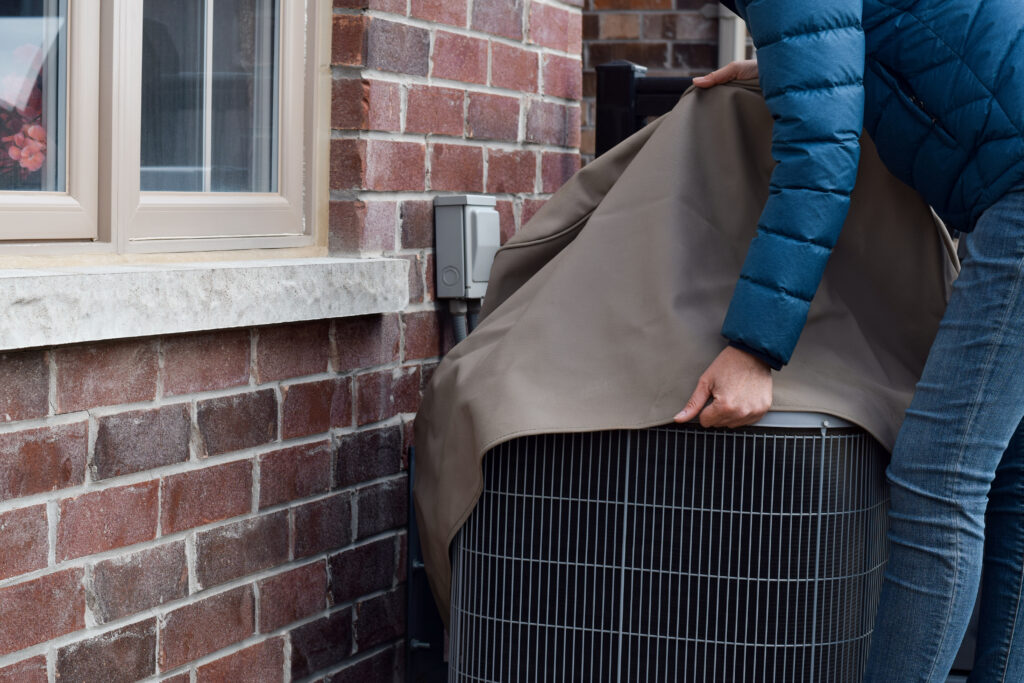
A window AC winter cover is a fitted protective shield designed specifically to cover window-mounted air conditioning units during the off-season. Typically made from vinyl, polyester, or a water-resistant plastic blend, these covers are tailored to securely fit over the outdoor part of your air conditioner, shielding it from weather-related damage. They’re especially relevant for homes with permanently installed window ACs that can’t be removed easily during the winter months. These units are exposed to cold, wind, snow, and ice—factors they were never meant to endure while dormant. The window AC cover acts as a barrier, preserving the unit’s functional integrity and serving as an added layer of insulation for your living space. It’s uncomplicated in design but can play a crucial role in extending your AC’s lifespan and maintaining household efficiency.
How Does a Window AC Cover Work?
The mechanics are surprisingly straightforward. Once securely placed over the exterior part of the window unit, the cover blockades wind drafts, moisture, and debris from entering both the AC and your home’s interior. Many homeowners aren’t aware that these units, even when turned off, can become conduits for cold air seeping into a room—sparking heating inefficiencies and higher energy bills. Additionally, excess moisture from snow or ice can corrode internal components, reduce performance, and eventually lead to full system failure. The cover, when properly installed, reduces exposure by minimizing contact with winter’s harshest elements. Some versions include inner liners or added insulation to increase thermal resistance, offering even more protection for your heating system and enhancing home sealing.
Advantages of Using a Window AC Winter Cover
The most obvious advantage is protection. By covering your air conditioning unit during winter, you help prevent rust, corrosion, and damage from debris like twigs or small rodents seeking warmth. The result is generally fewer maintenance issues in the spring and summer, preserved refrigerant levels, and sustained cooling efficiency over time. Then there’s the energy angle. Leaving an uncovered AC unit in your window allows cold air to funnel directly into your space, forcing your heating system to work overtime. Imagine trying to insulate your home but leaving one small open window year-round—it quickly becomes a significant efficiency breach. The cover works as a plug for that gap. It stabilizes interior temperature, helps regulate monthly heating costs, and contributes to the overall climate performance of your home. For homeowners with a home warranty plan, it’s also a useful preventative measure that aligns with best practices in warranty terms—helping avoid denials due to lack of maintenance protections.
Potential Disadvantages to Consider
No solution is without its limitations. A window AC winter cover, while beneficial, is not a replacement for removing the unit entirely. The most effective winter protection always involves taking the AC out of the window and storing it indoors. For homeowners in apartments or older homes with complex window frames, removal isn’t always realistic. In those cases, the cover presents a practical middle ground. However, if not installed correctly, it can act as a trap for moisture rather than a barrier, promoting mold growth inside the unit rather than preventing it. Upkeep is also key. Covers should be checked regularly after snowstorms or heavy wind to ensure they haven’t shifted or torn. Improper sizing can lead to gaps around the edges, making protection incomplete. In very cold climates, additional insulation around the unit may be necessary to fully seal out drafts, particularly in older homes with dated windows. So, while effective, the cover strategy works best when combined with broader winterization tactics.
Installation Tips for Optimal Effectiveness
Installing a window AC winter cover requires both precision and patience. Start by cleaning the air conditioner’s exterior to remove dirt and moisture—trapping any debris under the cover can cause long-term damage. Choose a cover designed for your unit’s model or measure the dimensions and opt for a universal fit with reliable side straps or bottom bonding. Place the cover snugly over the outdoor portion, securing it per the manufacturer’s guidance. Some homeowners choose to add foam blocks or weatherstripping inside the window to bolster insulation further. If you live in a high-wind area, consider additional external fasteners to prevent ballooning or tearing. After installation, monitor the seal periodically throughout the winter. Any signs of moisture intrusion or air leakage should be addressed promptly to prevent recurring problems. Think of this not just as a seasonal task, but an investment in seasonal protection.
The Role This Plays in Your Broader Home System
Your window AC doesn’t operate in isolation—it’s interconnected with your home’s overall heating and cooling systems. If your unit leaks cold air in winter, it places more demand on your heating components, especially if you rely on single-system strategies like electric baseboard heat or gas furnaces. Over time, this added strain can shorten appliance life expectancy and reduce your home’s performance rating. From a home warranty perspective, repeated service calls related to heating inefficiencies stemming from poor insulation or neglected AC preservation could lead to non-covered claims. Home systems work in a balance, and even seemingly minor components like window units play into that. Protecting them extends more than just their operational life—it helps stabilize your entire home’s seasonal functionality. In short, the cover is not just for the AC. It’s for the system beneath and around it.
When to Replace or Upgrade Your AC Cover
Like any protective layer, an AC cover has an expiration timeline. Depending on the weather severity and material quality, most covers hold up for three to five winters. Cracking, fading, or the loss of elasticity in straps are early indicators that it’s time to replace. If you’ve recently upgraded your window unit or changed windows altogether, a one-size-fits-all cover may no longer apply. It’s also worth reassessing if you’re planning to add centralized cooling or mini-split systems, where permanent removal of the window unit may become possible. Investing in a high-quality cover is a relatively minor expense—usually under $50—but the return in appliance longevity and energy savings can pay off in one winter season alone. Take stock each fall, and if in doubt, replace. It’s a low-effort, high-return layer of assurance.
How a Home Warranty From Armadillo Enhances Winter Protection
When winter hits hard, every layer of home protection matters. While a window AC winter cover provides essential seasonal defense for your cooling unit, a comprehensive home warranty plan ensures you’re equipped to handle the rest of your systems with confidence. Armadillo offers intelligent, customized home warranty plans that protect your essential appliances and systems—whether it’s a furnace overstressed by leaky AC drafts or electrical work strained by cold weather inefficiencies. Unlike singular fixes, a plan from Armadillo bridges the gaps, turning seasonal maintenance like AC cover installation into part of a holistic protection strategy. And with straightforward signup at our plan builder, it’s easier than ever to tailor coverage to your home’s specific needs. Explore what’s possible at Armadillo and move into each season prepared—because peace of mind should never be seasonal.