




















What Is Home Warranty

Resources

Unclog Your Washing Machine Drain Like a Pro | Armadillo

How to Unclog a Washing Machine Drain: A Homeowner’s Guide to Smooth Laundry Days

When your washing machine suddenly stops draining properly, everyday convenience comes to a halt. Laundry piles up. The drum fills with murky water. And that odd, sour smell? It starts to linger. A clogged washing machine drain is more than a minor nuisance—it’s a disruption to your home’s rhythm. In this article, grounded in the realities of everyday homeownership and backed by insight from the home warranty industry, we’ll walk through what causes drain clogs, how to fix them, and more importantly, how to prevent them. Understanding this common household issue helps homeowners make better decisions about maintenance and long-term protection through reliable home warranty coverage.

Understanding Your Washing Machine Drain System

At the heart of your laundry setup is the drainage system—a critical yet often overlooked component. After a wash cycle completes, your machine pumps water out through a drain line that feeds into your home’s plumbing, typically into a standpipe, laundry tub, or utility sink. It’s a process that relies on pressure, gravity, and clean, unobstructed pathways. But over time, lint, soap scum, debris, and even small articles of clothing can build up in the drain or hose. When that happens, your washing machine can’t expel water efficiently. You might notice it draining slowly, stopping mid-cycle, or not draining at all. The entire operation grinds to a halt, and you’re left tackling backed-up water, wet clothes, and mild panic.

Common Causes of Washing Machine Drain Clogs

The reasons behind a clogged washing machine drain can range from simple to structural. Lint accumulation, while gradual, is a leading culprit. It passes through tiny gaps in the washer drum and collects in the hose or drainpipe. Food residue from kitchen rags can break down into sticky, glue-like grime. Items like coins, socks, or hairpins may accidentally find their way past the drum seal and lodge themselves in the pump filter. Detergent residue contributes too—especially if the washer is overloaded or not maintained regularly. In homes with older plumbing systems, mineral deposits or narrow pipe diameters can exacerbate the problem, turning a small clog into a full blockage. Knowing what you’re up against is essential before attempting a meaningful fix.

How to Unclog Your Washing Machine Drain

Before calling in professional help, there are safe, manageable DIY steps you can try to unclog your washing machine’s drain. Start by turning off the appliance and unplugging it. Safety first, always. Locate the drain hose at the back of the machine and detach it carefully. Check for visible obstructions within the hose—lint, grime, and small objects may be stuck inside. You can clear minor blockages by flushing the hose with hot water or using a plumber’s snake gently. If water drains freely through the hose, the clog likely resides deeper in the home’s drainpipe. In that case, inspect the standpipe for signs of overflow or backup. If water pools immediately, a snaking tool or enzymatic drain cleaner might help. However, if the issue persists, it’s time to contact a professional plumber. Avoid using caustic chemical drain cleaners, as they may damage pipes and won’t resolve issues caused by non-degradable obstructions like coins or socks.

Signs You Have a Drainage Problem

Recognizing early warning signs of a clogged washing machine drain can help you avert more serious plumbing issues. If your machine stops mid-cycle, doesn’t drain fully, or leaves clothes sopping wet, start investigating. Water pooling around the base of the washer after a cycle points to a potential hose or drainpipe clog. An unusual gurgling sound from the pipe may also be a sign of air being blocked by a clog. Slow drainage—where water lingers in the tub longer than it should—is a slower-moving clue of growing buildup. And if you start to notice a musty smell in your laundry room or from the drum itself, it’s often due to stagnant water caught in the drain line. Act promptly when these signs appear, as ignoring them could lead to water damage and more expensive repairs down the line.

Prevention Tips to Keep Your Washer Draining Smoothly

Routine maintenance is the most effective way to prevent a clogged washing machine drain. Start by cleaning the lint trap or filter at least once a month—some washers have a built-in filter located near the front bottom panel. Avoid overloading the washer, since too many clothes can increase lint and strain the drainage system. Use the correct amount and type of detergent (high-efficiency detergent for HE machines), and consider running a hot water cycle with white vinegar once a month to break up buildup in hoses and internal components. For households with high mineral content in water (hard water), installing a water softener can reduce sediment accumulation. Finally, always inspect pockets before tossing clothes in the washer—foreign objects are one of the top causes of pump clogs. Practicing these habits may save you from bigger issues and extend the lifespan of your appliance.

When to Call a Professional Versus a DIY Approach

The decision to fix it yourself or call in an expert hinges on the severity of the clog and your comfort level with appliance maintenance. If you’re faced with standing water and a quick drain hose flush doesn’t solve the issue, enlisting a licensed plumber is the safer route. Similarly, water leaks, electrical issues, or signs of mildew behind the machine require a more comprehensive inspection to avoid long-term damage. With proper tools and guidance, basic clogs can often be cleared by homeowners, but deeper obstructions or recurring issues are symptoms of something more systemic. That’s where relying on your home warranty coverage becomes invaluable—having access to vetted professionals means less guesswork, faster response time, and fewer out-of-pocket costs for covered repairs.

How Home Warranty Coverage Supports Washer Drain Repairs

When your washing machine drain suddenly stops functioning, your first concern is often “How soon can I fix this?” followed by “How much is this going to cost?” With a home warranty in place, especially one that includes appliance coverage, you gain access to prompt service and cost-effective repair options. Home warranties fill the gap left by homeowners insurance, which typically doesn’t cover appliance breakdowns caused by wear and tear or component malfunction. A clogged drain might be the result of a faulty drain pump or an internal hose leak—components that are covered in most plans. Rather than scrambling to find a trusted technician or diagnose the issue yourself, your warranty provider manages it for you. That level of support and peace of mind means spending less time troubleshooting your washer and more time managing the rest of your home with confidence.

Protect Your Home from Unexpected Breakdowns with Armadillo

As a homeowner, you’re juggling a hundred responsibilities at once. Unexpected breakdowns shouldn’t derail your routine—or your budget. That’s where Armadillo steps in. If your washing machine drain clogs because of a failed component or pump issue, a reliable home warranty from Armadillo ensures you’re covered. Our intuitive platform makes building your coverage simple, starting with just your zip code. And because we only work with vetted, licensed professionals, you know you’re getting service you can trust. Take the stress out of household surprises. Learn more at Armadillo.one or start building your custom plan today on our Plan Builder Tool. With Armadillo, your home runs, even when things go off course.

Share:

Next Posts

resources

Smarter Hot Water Solutions: Tankless Heater Benefits Explained

Understanding Tankless Water Heaters: A Smarter Way to Heat Your Home’s Water Water heaters aren’t the most glamorous fixtures in […]

resources

Freezer Not Freezing but Fridge Works? Causes and Solutions

Why the Refrigerator Works but the Freezer Fails—and What Homeowners Need to Know When the refrigerator seems fine but the […]

resources

Refrigerator Repair Costs in 2024: What Homeowners Should Know

How Much Does Refrigerator Repair Cost? A Homeowner’s Guide to Costs, Causes, and Your Protection Options If you’ve ever discovered […]

Welcome to a new age of home warranty

Affordable plans.
Hassle-free home ownership.

Subscription-based protection for when major
appliances and systems break down.

Armadillo

What is Home Warranty?

Home Warranty plans cover the costs of repair or replacement of major appliances and systems like HVAC, refrigerators, dishwashers, washer/dryers and so much more.

Armadillo is a technology company that makes requesting a repair and resolving the issue streamlined, easy, at your fingertips, and affordable.

Typical Home Warranty

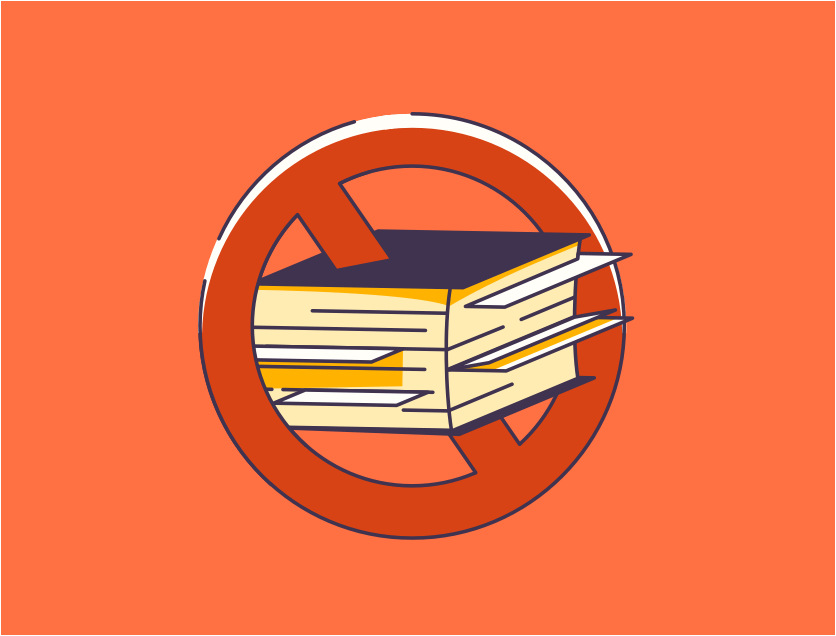
A long legal contract. More pages means more conditions and exclusions – and more reasons to deny you service.

Armadillo’s Home Warranty

Shortest, most transparent and digestible plan in the industry. That means less fine print so that we can actually deliver for you.