
Why the Refrigerator Works but the Freezer Fails—and What Homeowners Need to Know
When the refrigerator seems fine but the freezer isn’t freezing, it can be confusing and frustrating—especially if you just stocked up on groceries or rely on frozen storage for your week-to-week meals. The good news: this issue is common and often solvable. But it’s also a reminder of how interconnected your home appliances are and how critical it is to keep them in peak condition. If you’re wondering why this happens, how these appliances actually work behind the scenes, and what to do next, you’re in the right place.
Understanding How Your Refrigerator-Freezer System Works
Most modern homes use a top-freezer or bottom-freezer refrigerator where the fridge and freezer compartments share one cooling system. This system relies on a single compressor that powers the refrigerant through coils and fans that move cooled air. Here’s where it matters: while both compartments share components, they don’t receive cooled air in the same way. Typically, the freezer gets direct access to the evaporator coils, and the refrigerator regulates its cooling by drawing in a portion of that chilled air. This means that if the freezer isn’t working but the fridge is, the system as a whole is partially functioning—but not delivering the expected performance.
Why the Freezer Stops Freezing While the Fridge Stays Cool
A range of components could be responsible when your freezer isn’t pulling its weight. One common culprit is a malfunctioning evaporator fan motor. This small but essential component circulates the cold air throughout the freezer. If the fan fails, air won’t reach the frozen goods—even if the refrigeration cycle is still technically running. Another possibility is a clogged or frosted-over evaporator coil. In this scenario, built-up ice or overly humid air can block proper airflow. A broken defrost thermostat or heater can create a similar effect. There’s also the door seal to consider: if the gasket on the freezer door is loose or cracked, warmer air seeps in, requiring more energy to maintain freezing temperatures—and often failing.
What to Check Before Calling a Technician
Before contacting a repair professional, there are a few diagnostics that homeowners can carry out safely. First, listen for the fan. When you open the freezer, the evaporator fan should kick off, then restart when the door closes. No sound? The fan could be the issue. Next, inspect the vents inside the freezer and fridge for ice buildup or noticeable blockages. A defrost issue could require a more technical fix. Verify the temperature settings—it’s more common than you’d expect for someone to mistakenly adjust the freezer temperature. Finally, examine the door seal by placing a dollar bill between the door and the frame. If the bill slides out easily, the gasket isn’t sealing properly.
The Value of Preventative Appliance Maintenance
Appliance failure often seems sudden, but most issues develop gradually. Staying ahead of potential breakdowns saves money, prevents food loss, and reduces the frequency of urgent repairs. Routine maintenance includes cleaning the condenser coils, located either behind or beneath the refrigerator, and checking that the freezer temperature remains around 0°F for optimal performance. It’s also important to keep the appliance leveled and avoid overpacking both compartments. When free airflow is compromised, the entire cooling cycle is strained. Investing in smart sensors or a Wi-Fi-enabled appliance can also allow for early detection alerts before a small issue turns into major damage.
Common Freezer Repair Costs and Homeowner Expectations
Repairing a non-functioning freezer component varies widely in price. Simple fixes like replacing a door gasket may range from $60 to $100, while evaporator fan motor repairs, depending on the brand and availability, can climb to the $200 to $350 range. If the issue lies with the defrost system, including the thermostat or heating elements, repairs can run between $150 and $400. In worst-case scenarios involving compressor replacement or severe refrigerant leaks, the cost may cross the $600 threshold, prompting homeowners to evaluate whether a full replacement makes more financial sense. Knowing these numbers helps homeowners budget accordingly and make smart decisions about repair versus replacement.
How Home Warranties Protect You from Appliance Surprises
This is where a home warranty delivers real value. Your freezer might be built to last a decade or more, but components can still fail unexpectedly. A good home warranty covers essential kitchen appliances, including refrigerators with freezers, providing homeowners with service call benefits and capped service repair costs. That means you’re not shouldering a full $400 repair whenever something breaks. Instead, the burden is shared with your provider. Some top-tier home warranty plans even allow customized appliance coverage, great for households with specialized or higher-end refrigerator units. With the right coverage in place, you gain peace of mind—along with real financial cushion.
Signs That It’s Time to Call in a Professional
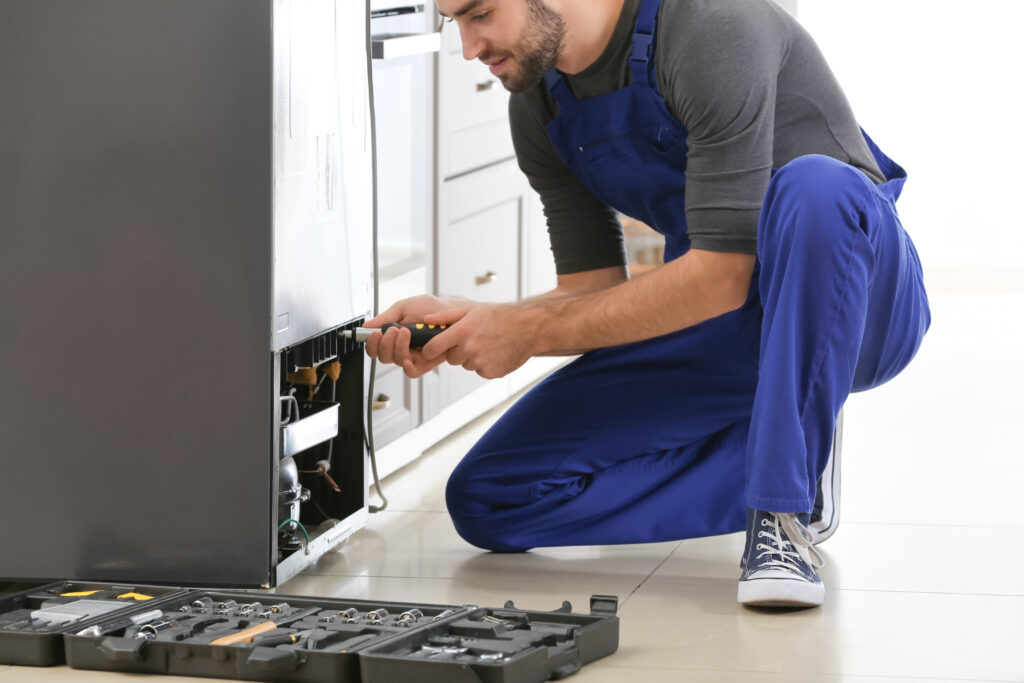
If you’ve ruled out basic DIY checks, and the freezer still isn’t coming back to life, it’s time to get help. Warning signs include visible condensation inside the freezer, unusually loud operation, or any indication of warm air cycling through the interior. These could signal electrical faults, component burnout, or even coolant leaks. Repeated compressor cycling or fluctuating temperatures also call for expert attention. A licensed technician will inspect the thermostat, fan assembly, coils, and defrost systems to isolate and resolve the issue. With complex systems like refrigerators, trying too many at-home fixes can exacerbate the problem or void coverage, if you’re under warranty.
Protecting Your Home Appliances with Armadillo
When appliances falter—especially major ones like refrigerators with built-in freezer systems—it can throw your entire routine into chaos and hit your wallet unexpectedly. That’s where a comprehensive home warranty from Armadillo can make a meaningful difference. Armadillo gives homeowners reliable coverage for kitchen appliances and other essential systems, simplifying the repair process when things go wrong. With Armadillo, you’re not facing appliance failures alone—you’re backed by modern protection designed for modern living. Explore more about how we protect your home’s heartbeat systems at Armadillo’s homepage or take the first step toward smarter ownership by building your custom plan at our plan builder tool.