Understanding Plumbing Drains and Vents: A Homeowner’s Guide
Plumbing systems are one of the unsung heroes of homeownership. Behind your walls and under your floors runs a network of pipes that ensures clean water arrives and wastewater exits without your ever needing to think twice. Among the most critical components of this system are the plumbing drains and vents. Whether you’re renovating, troubleshooting, or planning to stay ahead of household maintenance, knowing how drains and vents function is essential. This guide explores what these components do, how they work together, and what homeowners should be watching for to protect their homes—and their wallets.
What Are Plumbing Drains and Vents?
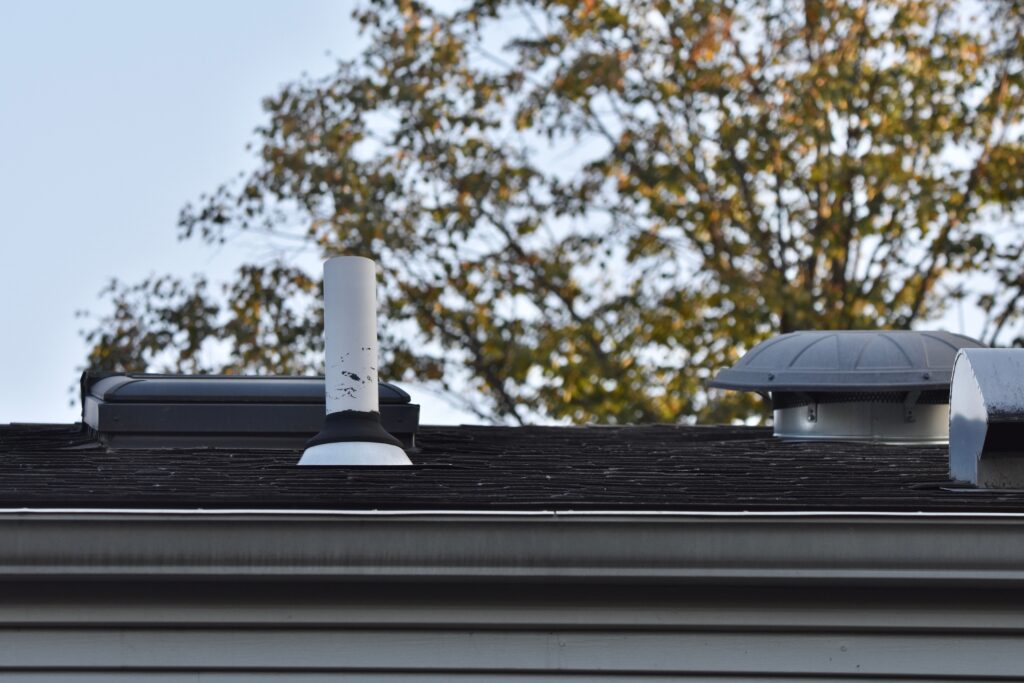
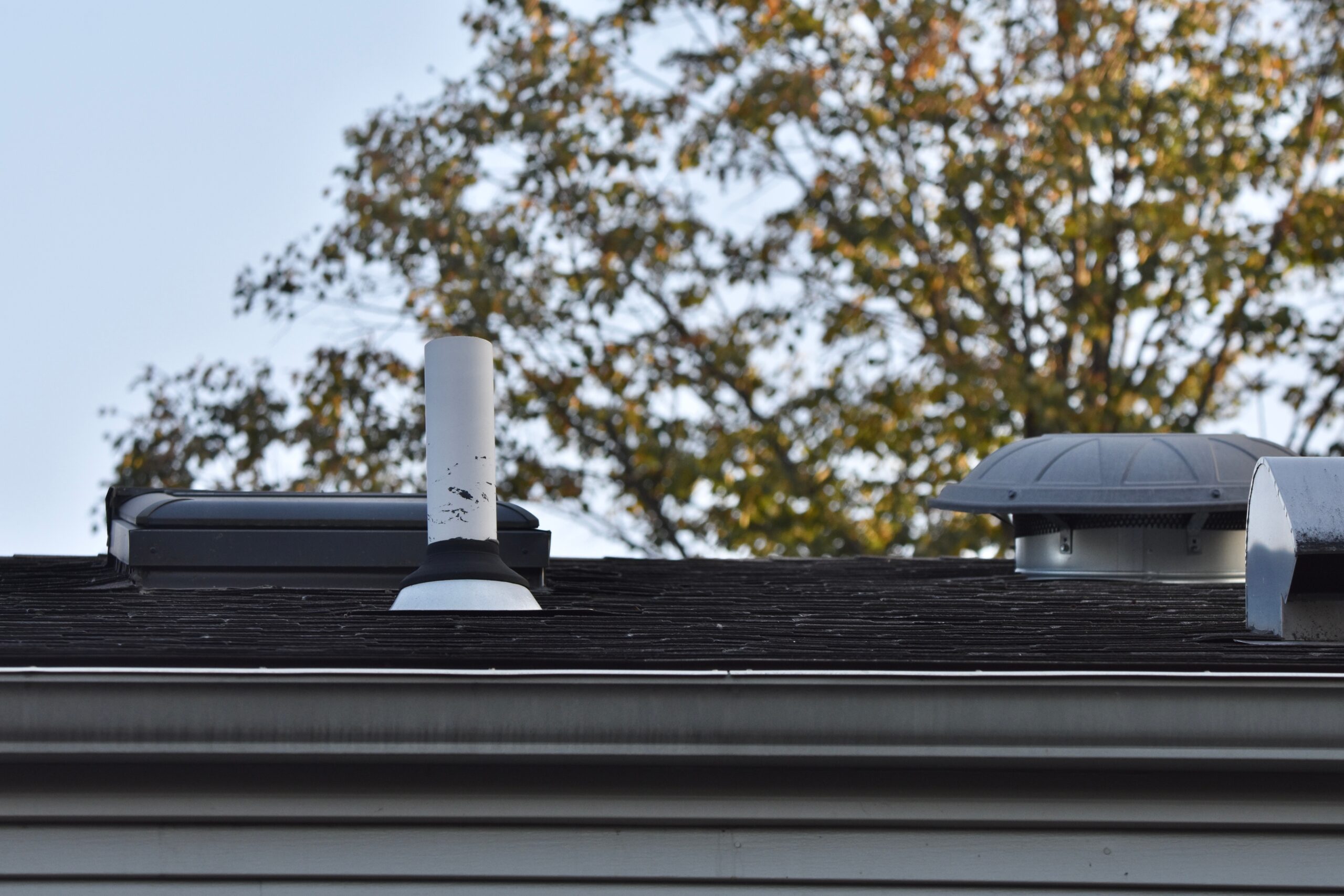
At their most fundamental, plumbing drains remove wastewater from your home, while vents regulate the air pressure in the plumbing system to keep everything moving smoothly. Drains channel used water from sinks, showers, tubs, dishwashers, washing machines, and toilets to the sewer or septic system. Vents, which most often exit through the roof, serve a less visible but equally crucial role: they allow air into the plumbing system to prevent vacuums or airlocks that would impede the flow of waste. Without vents, drains would gurgle, slow down, or even stop working altogether. The result? Foul odors, clogs, or worse—backsplash and water damage.
How Drains and Vents Work Together
Drains and vents operate as an interdependent system, often referred to as the drain-waste-vent (DWV) system. When you flush a toilet or empty a sink, wastewater flows down through gravity-fed drainpipes. Simultaneously, vent pipes provide a supply of air to the pipes, ensuring pressure remains balanced so that water flows smoothly. Every fixture requires a properly installed vent to keep trap seals intact. These are the U-shaped portions of pipes you may be familiar with under sinks. They hold water, which acts as a barrier against sewer gases from entering the home. Without proper venting, that water can be siphoned away, defeating its purpose.
The Benefits of a Modern Drain-Vent System
Modern DWV systems are built to code, designed with efficiency and hygiene in mind. Properly functioning drains and vents mean that wastewater is quickly expelled, and noxious gases are sealed off. The convenience of modern systems also limits the need for manual intervention, like plunging or cleaning traps, provided the system is used correctly. Additionally, a well-designed venting system can extend the life of plumbing appliances by reducing the strain caused by blocked pressure or suction. Homeowners also enjoy better indoor air quality when sewer gases are securely kept at bay. All of this contributes to increased home value and peace of mind.
Common Issues Found in Residential Plumbing Venting
Despite being largely hidden from view, DWV systems are not immune to issues. Over time, vents can become obstructed by debris, nesting animals, ice, or corrosion. When a vent is blocked, symptoms can appear deceptively simple, like slow drainage, bubbling in the toilet bowl, or persistent odors. Homes with older plumbing systems or DIY modifications may have improperly designed vents or insufficient venting altogether. These situations don’t just compromise performance—they can violate local building codes and lead to larger plumbing failures. Regular inspection, especially when performing roof maintenance, helps catch venting issues early.
Warning Signs and What to Watch For
Even if you’re not a plumbing professional, there are signs of drain or vent trouble you can spot. If multiple drains slow down simultaneously, that’s often a red flag pointing to a deeper issue in the main waste line or vent. Gurgling noises are more than an annoyance—they signal air trapped in the lines, unable to vent properly. Bad smells from drains often mean a dry or compromised trap. Recurring clogs or backups can indicate a lack of venting pressure. Any of these signs should prompt a professional plumbing inspection before the problem escalates and causes structural or water damage.
Maintenance Tips for Healthy Drains and Vents
Proactive maintenance is the most cost-effective way to preserve your plumbing system. Avoid pouring grease, food waste, or harsh chemicals down drains. Install drain screens to catch hair and debris. Schedule regular drain cleaning, especially for households with high usage or older plumbing. To ensure vents remain unobstructed, inspect roof vent stacks seasonally—after storms or during fall when leaves are abundant. If your home is two or more decades old and has never had plumbing updates, consider a review from a licensed professional. Small adjustments can balance the system and significantly reduce water and repair costs long term.
Do Plumbing Vents and Drains Affect Home Warranty Coverage?
Absolutely. In the home warranty industry, drains and vent systems often fall within the covered systems—provided issues stem from normal wear and tear, not preexisting conditions or improper installation. A malfunctioning vent can create clogged drains throughout the home, leading to costly plumbing repairs if left unaddressed. Home warranties can be a powerful tool in offsetting those expenses. However, it’s worth knowing that coverage may not extend to roof vent stacks or damage caused by pests and weather unless clearly outlined in the policy. Reading the fine print matters, and verifying existing system compliance with local plumbing codes can prevent unpleasant surprises when it’s time to file a claim.
Why Armadillo Home Warranty is a Smart Move
Whether you’re dealing with a slow drain or wondering if that gurgling sound matters—it does—protecting yourself with a reliable home warranty makes the difference. Armadillo offers modern home warranty coverage tailored for today’s homeowners, with clear terms, efficient claims processing, and real help when you’re mid-crisis. Systems covered include crucial elements like plumbing drains, ensuring that unexpected failures don’t become financial emergencies. Their transparent, flexible coverage options let you focus on enjoying your home rather than worrying what’s going wrong behind the walls. Visit armadillo.one to learn more or take the first step toward customized protection with their Plan Builder.