Understanding HVAC Systems: What Every Homeowner Should Know
For many homeowners, the HVAC system is the invisible hero of daily comfort—keeping the house cool in summer and warm in winter without much thought. But like any major home system, HVAC units are complex, essential, and—when they break—potentially expensive to repair. Whether you’re a first-time homeowner or have seen more than a few summers, understanding your HVAC system helps you make smarter maintenance choices and plan ahead for protection. This article provides a complete homeowner’s guide to how HVAC systems work, the pros and cons of different setups, and why it’s worth thinking about a home warranty when it comes to long-term peace of mind.
How Does an HVAC System Work?
HVAC is short for Heating, Ventilation, and Air Conditioning. It’s a broad term that covers several components working together to regulate temperature, control humidity, and circulate air throughout your home. Most residential HVAC systems work in a closed-loop system that pulls in air, conditions it—either by heating or cooling—and then distributes it through a ductwork network.
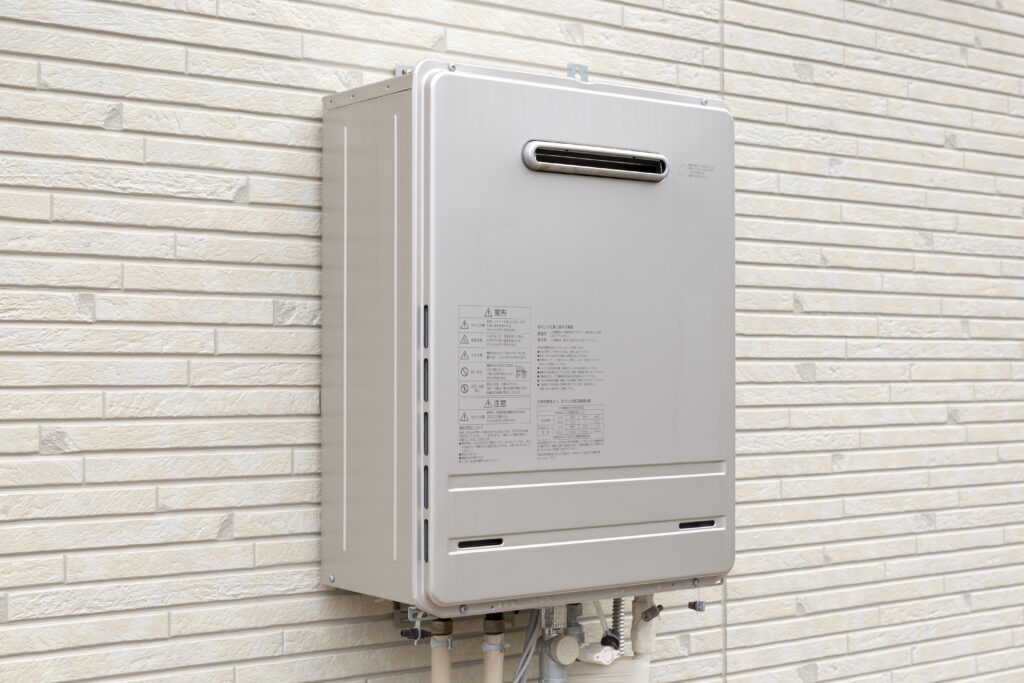
The main parts include a furnace or heat pump (for heating), an air conditioner (for cooling), and a ventilation system. Many systems also have thermostats, air handlers, heat exchangers, and filters that contribute to efficiency and air quality. Some modern units even include smart technologies and zoning systems that allow more tailored temperature control in different parts of the house.
Types of Residential HVAC Systems
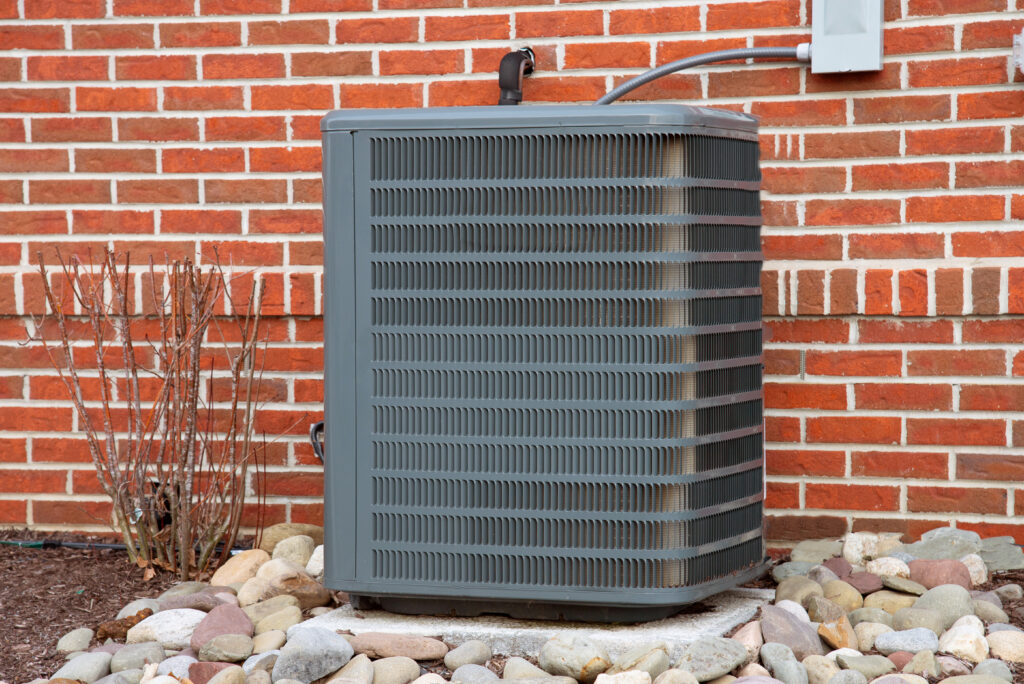
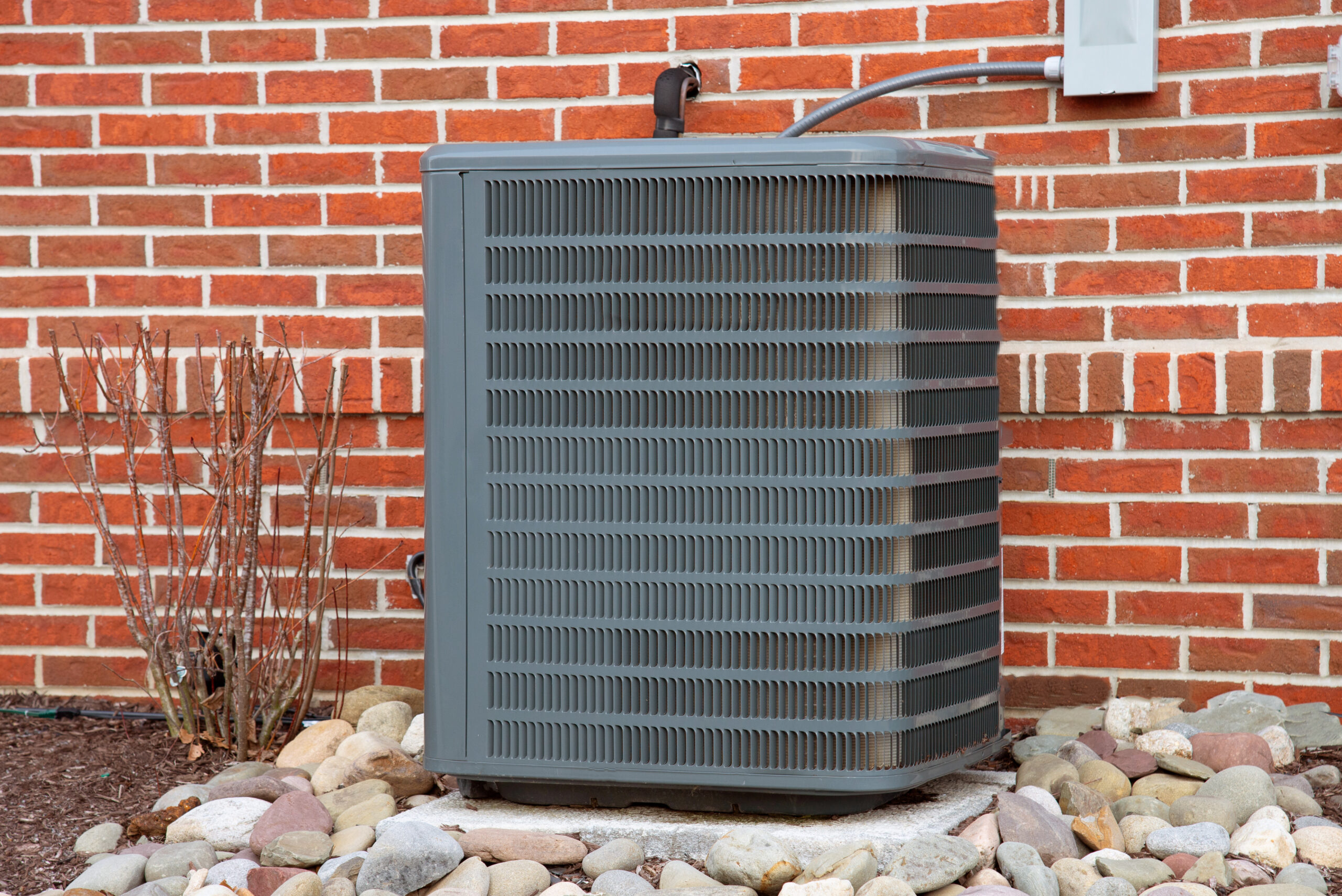
There are several different HVAC system configurations, and each has unique advantages based on your home layout, climate, energy needs, and budget. The most common is the split system, where you’ll have separate indoor and outdoor units—typically a furnace and an air conditioner. Packaged systems combine these functions into one exterior unit, often used in areas with limited indoor space. There’s also the versatile ductless mini-split, which offers control in specific rooms and is especially efficient for smaller homes or renovations that lack conventional ductwork.
Beyond the setup, different power sources matter too. Some HVAC systems run on electricity, others on gas or a hybrid combination. Newer, eco-conscious systems may include geothermal technologies or solar-assisted heating elements.
Common HVAC System Issues and Why They Matter
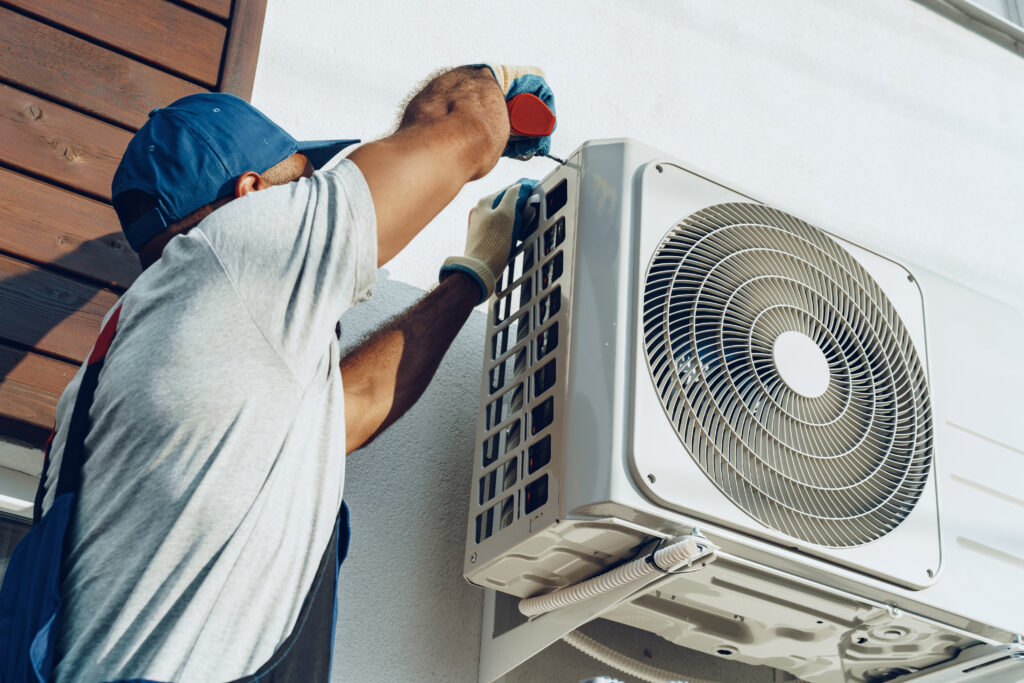
Even the best-built HVAC system is vulnerable to wear and tear over time. Common problems include dirty filters, refrigerant leaks, electrical failures, thermostat inaccuracies, and clogged drain pipes. Eventually, parts such as blower motors, coils, and compressors may need repair or replacement. If you’ve ever lost air conditioning mid-July or heating during a cold snap, you know how disruptive even a single issue can be.
These repairs add up. Not just in cost, but also in time and stress. Diagnosing a malfunction, scheduling service, and waiting for parts can leave your home in discomfort for days. Preventive maintenance helps reduce the frequency of issues, but it’s rarely foolproof. That’s why security against breakdowns isn’t just practical—it’s necessary.
The Advantages of a Well-Maintained HVAC System
When your HVAC system is functioning at full efficiency, the benefits are nearly invisible—and that’s the point. It’s stable climate control, comfortable living spaces, good indoor air quality, and optimal utility usage. A well-maintained system undergoes fewer breakdowns, consumes less energy, and lasts longer—often up to 15 or more years depending on usage and climate.
Regularly changing air filters, keeping outdoor units clear of foliage, and scheduling seasonal checkups can preserve performance. Some homeowners also opt for enhanced filtration systems to reduce allergens and improve air quality, which can be an important factor for those with asthma or allergies.
Drawbacks and Hidden Costs of HVAC Ownership
On the flip side, HVAC ownership comes with significant responsibility. First-time buyers often underestimate the cost of repairs, or assume that homeowner’s insurance covers system issues. It doesn’t. Insurance typically applies to damage from events like fire or weather—not wear and tear. This is where many homeowners find themselves facing steep repair bills for major component failures.
HVAC systems also lose efficiency with age. What functioned optimally ten years ago may now be driving up your energy bill. Delaying repairs to save money in the short-term can actually shorten the lifespan of the entire system. A single broken part can stress the entire unit, increasing the risk of total failure. All those risks translate to unpredictability, which is tough for anyone trying to plan or budget responsibly.
Why a Home Warranty Makes Sense for HVAC Protection
This is where a home warranty—or more precisely, a home service agreement—enters the picture. A home warranty doesn’t replace your manufacturer’s warranty or your insurance. It complements them. When it comes to an HVAC system, a home warranty generally covers repairs or replacements for breakdowns caused by normal wear and tear.
With a warranty in place, you won’t be caught off guard by expensive repairs to your furnace, heat pump, or central air conditioning unit. Service providers are already vetted, and scheduling repairs is streamlined through your warranty provider. This reduces the hassle of finding trustworthy professionals and ensures the work is done efficiently. It also boosts resale appeal. Buyers tend to look more favorably at homes under warranty coverage, especially with systems as costly and essential as HVAC.
What to Look for in HVAC Coverage Within a Home Service Agreement
If you’re exploring warranty options, look closely at what’s included in HVAC coverage. Basic plans vary across providers, but key components like compressors, motors, capacitors, and ductwork should be covered under well-rounded agreements. Pay attention to limitations such as coverage caps or requirements for annual maintenance. Not all breakdowns are covered if upkeep isn’t documented.
Some plans may offer seasonal HVAC tune-ups, which are particularly helpful for catching issues before they become critical. Reputable companies also provide customer support seven days a week for fast response. Review the fine print—no one wants a surprise during a summer heatwave. Transparency in the service process, clear payout structures, and a user-friendly claims model define the best home warranties for HVAC coverage.
Why Choose Armadillo for Your HVAC Peace of Mind
Armadillo brings a streamlined, digital-first approach to home warranty coverage, with plans that include HVAC systems as part of their standard and enhanced service agreements. Backed by a curated network of licensed service professionals and an intuitive claims process, Armadillo saves time and takes the guesswork out of home system emergencies. Whether it’s a faulty compressor or a struggling heat pump, you don’t need to stress or delay critical repairs. You just tap the app, submit a claim, and they take care of the rest.
Explore your coverage options at https://www.armadillo.one or start personalizing your plan now at https://app.armadillo.one/plan-builder?current=zip. With reliable HVAC protection in place, comfort becomes the rule—not the exception.