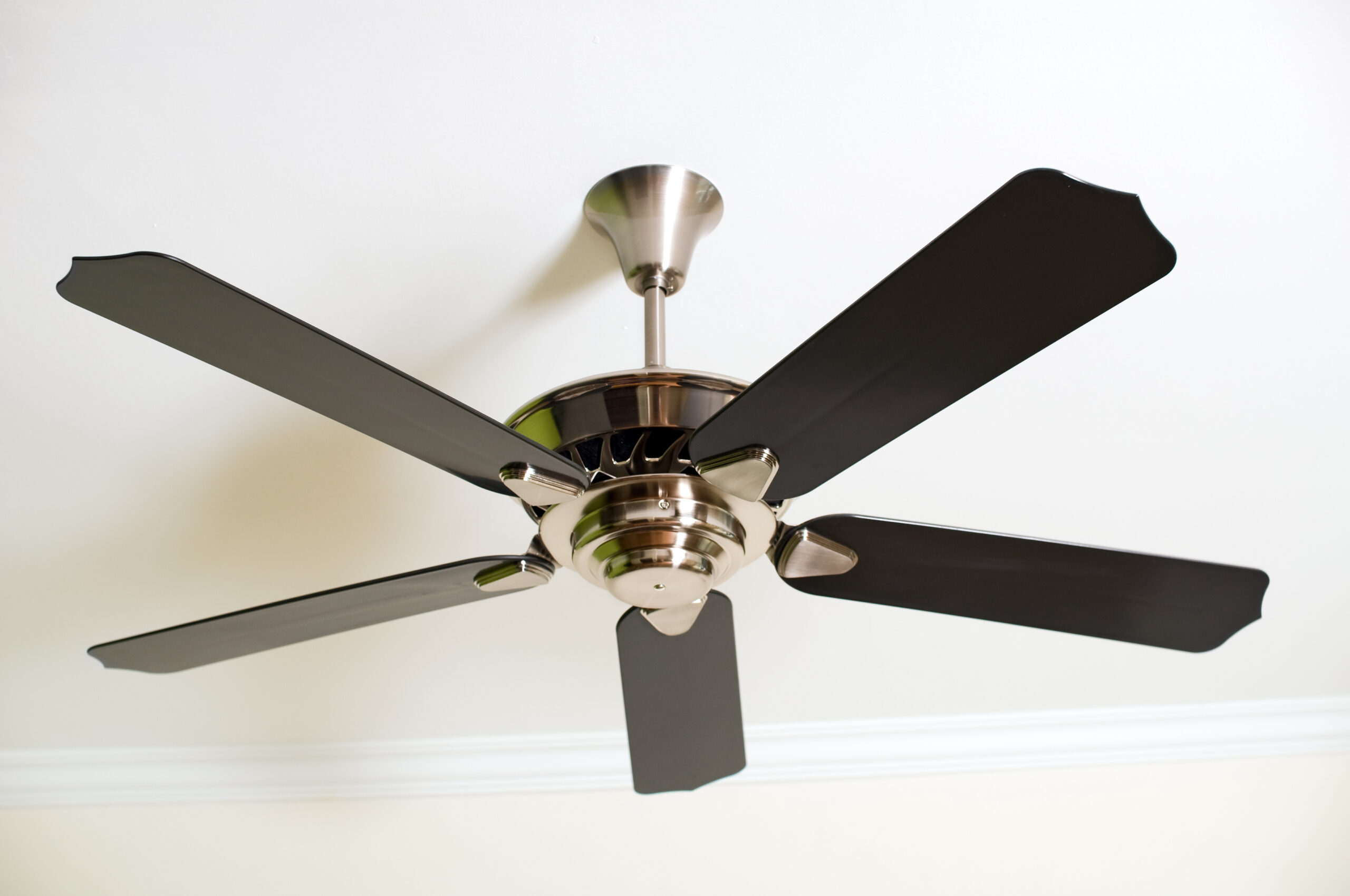
Why Ceiling Fan Direction Matters: A Homeowner’s Guide to Seasonal Efficiency
Ceiling fans are one of the most understated yet effective systems in your home. While often seen as decorative, their ability to regulate temperature, support HVAC performance, and reduce energy consumption is significant. What many homeowners overlook is one small switch that makes a big difference—the direction your ceiling fan spins. Understanding and managing this function is a simple home improvement that delivers real efficiency gains, especially if you’re mindful of the seasons. Let’s walk through the functionality, application, advantages, and maintenance considerations of ceiling fan directional settings—and why you should think about this small switch with the same seriousness as any home system.
Understanding How Ceiling Fan Direction Works
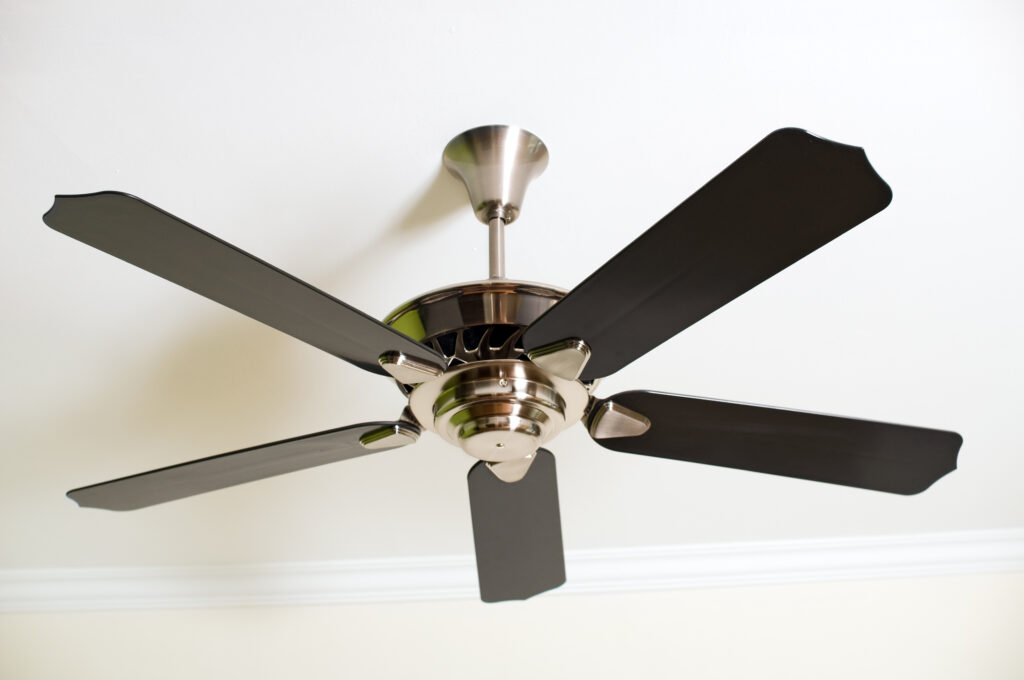
Ceiling fans operate by pushing air in specific directions to influence how warm or cool a space feels. On nearly every ceiling fan—whether mounted flush or extended by a downrod—there’s a small toggle switch either on the body of the motor housing or accessible by remote. This switch controls whether the blades spin clockwise or counterclockwise. This directional change alters the way air moves through your room. Counterclockwise rotation generates a downdraft, effectively delivering a wind chill effect that cools occupants. Conversely, clockwise motion circulates air upward, redistributing warm air trapped by the ceiling without creating a breeze. By adjusting the fan direction seasonally, homeowners can reduce strain on HVAC systems and maintain a more consistent indoor temperature.
Seasonal Settings: What to Use and When
Your ceiling fan should rotate counterclockwise during the summer months. You’ll know it’s correct when you stand under it and feel a direct breeze. This movement pushes cool air downward, making the room feel around 4 degrees cooler than it actually is—instantly reducing your need for aggressive air conditioning. In winter, set the fan to spin clockwise on a low speed. This setting creates an updraft, which pulls cool air up and forces the warm air that’s naturally pooled near the ceiling to circulate downward. Despite not feeling a breeze, the redistribution warms the air at occupant level, helping you ease off the heater. Knowing this one detail empowers you to manage interior comfort more efficiently without reliance solely on fossil-fuel-based heating or energy-intensive cooling systems.
Energy Efficiency and Cost Benefits
HVAC systems are among the most expensive running appliances in the home. By augmenting them with a properly directed ceiling fan, you give the system noticeable relief. A ceiling fan on the appropriate seasonal setting can allow you to adjust your thermostat up to 4 degrees higher in summer and lower in winter—a difference that directly translates into lower utility bills. Fans themselves consume significantly less energy compared to air conditioning or forced-air heating. Simply put, homes that use ceiling fans correctly spend less on energy and stretch the lifespan of their primary heating and cooling units. Correct ceiling fan use can bring savings of up to 15 percent on overall annual energy costs, which can become a compelling cumulative value over time.
Common Issues and Troubleshooting
Not all ceiling fans are installed equally, and depending on the model, the directional switch may not be clearly labeled. A simple test is to stand beneath the fan and observe whether you feel air moving down. That means the blades are spinning counterclockwise, suitable for summer. If the air feels still or circulates upward, the fan is likely in its winter setting. Another common issue is failing to switch the direction at all. Many homeowners install a fan and forget the seasonal aspect entirely. This limits the functionality of the system and negates its potential energy savings. Additionally, wobbling fans, loose mounting, or dust-laden blades can also undermine airflow efficiency. Annual inspection, especially before each seasonal change, is an easy way to maximize performance and prolong the life of the fan’s motor components.
Ceiling Fans and Home System Integration
Ceiling fans operate best when considered a complement to your overall HVAC plan—not a standalone solution. In homes with programmable thermostats or smart home integrations, syncing fan settings with temperature triggers can be especially effective. For instance, smart ceiling fans with direction sensors, paired with occupancy data, can automatically switch modes between heating and cooling. This added intelligence helps maximize comfort while taking the guesswork out of seasonal setups. Nevertheless, even traditional manual fans serve an important systemic role in your home ecosystem, especially when well-maintained and consistently adjusted throughout the year. Homeowners with multi-zone HVACs or ductless mini-split systems can utilize localized fan direction to amplify efficiency room by room, reducing unnecessary full-home conditioning.
Installation, Maintenance, and Home Warranty Implications
Proper installation is critical to fan performance. An unbalanced fan or one that hangs at an incorrect height disrupts airflow patterns and presents long-term motor strain. Ideally, fans should be hung at least 7 feet from the floor and 10 to 12 inches from the ceiling. Maintenance should include checking blade alignment, cleaning off accumulated dust, tightening all mounts and screws, and confirming direction before each seasonal transition. From a home warranty perspective, ceiling fans fall under systems or electrical components that may be covered, depending on your provider. Warranties that include ceiling fan repair or replacement provide a valuable cushion in case of motor failures, electrical issues, or part defects that may otherwise require direct repair or costly contractor involvement.
What Homeowners Often Miss (But Shouldn’t)
An often overlooked aspect of ceiling fan direction is the role of ceiling height and room size. In rooms with high ceilings, the clockwise winter setting is especially beneficial. It helps make use of heat that would otherwise stagnate above the occupied zone. Similarly, in small or enclosed areas like home offices or reading nooks, consistent counterclockwise airflow during warmer months creates faster comfort at lower energy outputs. Another consideration is the appearance of the fan itself—many homeowners avoid using fans regularly because of outdated or bulky designs. Modern ceiling fans come in sleek, versatile styles that no longer force a compromise on interior aesthetics. Function doesn’t need to undercut form, and embracing efficient air movement systems enhances how your home works for you, season after season.
A Smart Switch for Smarter Homeowners: Consider Armadillo
Whether you’re setting your ceiling fan for summer savings or adjusting for winter warmth, this small act of maintenance embodies smart, informed homeownership. When it comes to protecting your ceiling fans, fixtures, and the many other systems that keep your home performing, a modern home warranty is your next smart switch. With Armadillo, you’re not just getting repair coverage—you’re choosing transparency, convenience, and expertise. Our plans align with how homeowners actually live and use their homes—fan direction included. Explore more at armadillo.one, or begin building your customized protection plan through our easy-to-use plan builder. Because comfort shouldn’t come with complications.