How Often Should You Drain Your Hot Water Heater? A Homeowner’s Guide to Maintenance and Efficiency
Your hot water heater is, without much fanfare, one of the hardest-working systems in your home. It operates silently behind walls or in a basement, ready at a moment’s notice to deliver a hot shower or power your dishwasher. But like most essential appliances, it needs regular maintenance to stay reliable. One of the simplest but most overlooked tasks? Draining it. If you’ve ever asked yourself, “How often should I drain my hot water heater?”—you’re not alone. Let’s break down the answer and what exactly is at stake if you don’t.
What Is a Hot Water Heater and How Does It Function?
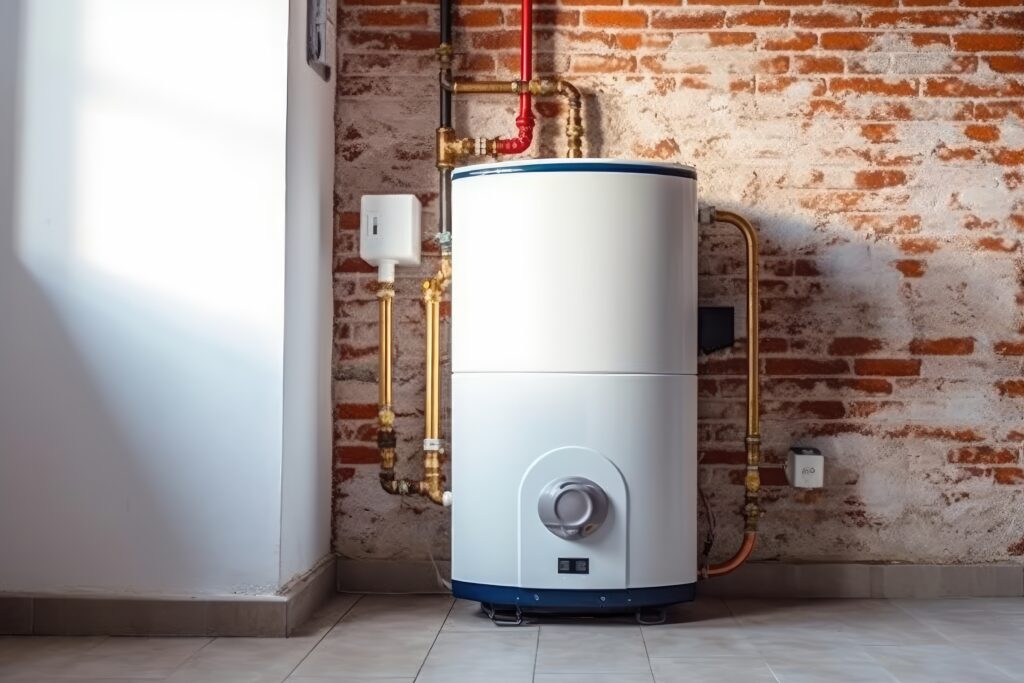
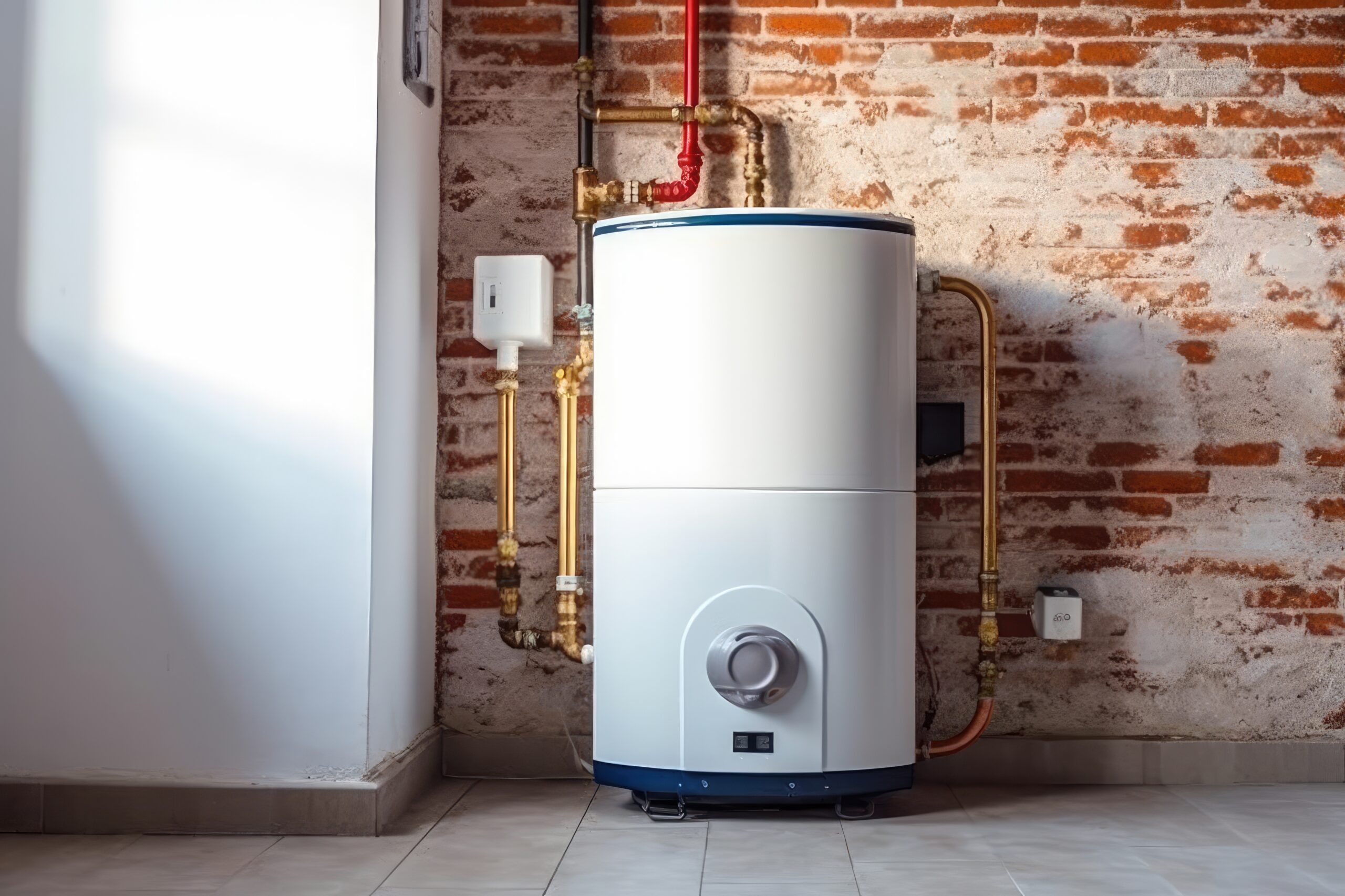
A hot water heater stores and heats incoming cold water using gas or electric energy, depending on its model. Water enters a tank, gets heated to a desired temperature, and waits there until you turn on the tap. When hot water is called for, the tank releases it through supply piping, instantly giving your fixtures a steady stream. While tankless water heaters are gaining popularity, traditional storage tank models still dominate U.S. households because they’re reliable and relatively affordable.
Inside every conventional water heater, heat exchange elements raise the temperature of the stored water, regulated with a thermostat. Over time, however, minerals like calcium and magnesium in the water begin to settle at the bottom of the tank. This sediment is the root of most hot water heater problems—lower efficiency, overheating, internal corrosion, and ultimately, breakdown.
Why Draining Your Hot Water Heater Matters
Over months and years of use, sediment builds up and forms a dense layer that separates the heating element from the water. The result? The heater has to work overtime to raise the water temperature, which uses more energy and increases your utility bills. These deposits can also create popping or rumbling sounds during heating cycles. While they might seem harmless, they indicate trapped water that’s boiling beneath the sediment layer—potentially damaging the tank lining over time.
Flushing your water heater removes this build-up before it becomes problematic. It restores heating efficiency, extends the appliance’s lifespan, and helps you avoid unexpected breakdowns or costly repairs. Routine draining is a proactive step that supports strong system performance—a small habit with big, long-term savings.
Recommended Frequency: How Often Should You Drain It?
Most experts, including manufacturers, recommend draining your hot water heater at least once a year. However, the precise frequency depends on your local water quality. In areas with hard water, which contains a higher mineral content, you may want to flush the system every six months. If you live in a region with naturally soft water, once per year is typically sufficient.
Homeowners covered by a comprehensive home warranty plan should note that regular flushing may be a condition of continued coverage. Ignoring basic maintenance can void parts of a policy, meaning repairs or replacements stemming from neglect may not be covered. Always check your agreement’s terms and keep a log of service intervals as supporting evidence if a covered issue arises.
Benefits of Routine Flushing for Homeowners
The benefits of draining your hot water heater go beyond simply extending its useful life. Efficiency is a major upside—you’ll spend less on energy costs, particularly if you rely on gas heating. Reliability is another. Regular draining prevents overheating and mineral corrosion, two leading causes of tank failures.
There’s also the matter of water quality. Sediment doesn’t just compromise heating performance—it can discolor water and affect its taste or odor. By flushing the tank, you help maintain clean, clear water flowing to your fixtures. Fewer surprises. Fewer headaches. And fewer emergency shower disruptions at 6 a.m.
Are There Any Potential Drawbacks?
While the process of draining a hot water heater is relatively simple, it does involve steps that might be intimidating to some homeowners. You’ll need to shut off the power or gas supply, turn off the cold water intake, attach a garden hose to the drain valve, and safely discharge the water. For homeowners unfamiliar with plumbing systems, it can seem complex. Mistakes—like not closing the drain valve properly—can create leaks or residual dripping.
There’s also the consideration of time. A full drain and flush can take about an hour, depending on tank size and sediment levels. It’s a worthwhile time investment, but if your schedule doesn’t easily accommodate it, hiring a licensed plumber may be the smarter route. In any case, this maintenance task should never be skipped—or deferred indefinitely.
Signs You’re Overdue for a Drain and Flush
If you’re not quite sure how long it’s been since your last drain, you may want to listen to what your water heater is trying to tell you. Odd noises like knocking or rumbling are usually the first indicators of sediment formation. Cloudy water, slower hot water recovery times, or spikes in energy costs can also be subtle signs. And if the water heater’s pressure relief valve is active more often than usual, it might be straining to maintain safe operation due to internal buildup.
Monitoring these signals, along with a set annual routine, will help prevent costly damage and maintain consistent performance. If you’re unsure whether your system needs attention, a professional inspection can confirm its condition and offer peace of mind.
Professional Help vs. DIY: What’s the Best Route?
Many homeowners choose to DIY their water heater maintenance, and for those comfortable with tools and instructions, it can be an efficient and cost-effective way to stay ahead of issues. However, if you’re navigating an older system, unfamiliar valve configurations, or potentially fragile components, professional service offers crucial oversight. Plumbing experts can identify less visible concerns—like slow leaks or corrosion around the anode rod—before those issues turn into disruptive repairs.
For homeowners managing multiple systems under warranty, professional maintenance also provides record documentation. This becomes especially important during service claims, as your provider may request proof of upkeep before approving repairs or replacements.
Protect Your Hot Water System with Armadillo
Routine maintenance protects your investment—but things happen. Even a well-maintained water heater can have mechanical issues down the road. That’s where a strong home warranty provider like Armadillo steps in. With customizable coverage options and a customer-first mission, Armadillo offers peace of mind that includes protection for your water heater and core home systems. We help homeowners avoid surprise bills from covered breakdowns, and we make sure you don’t have to face them alone.
Ready to confidently protect your hot water system and more? Visit armadillo.one to learn more, or start building your personalized home warranty plan today at our plan builder.