GFCI Outlets That Won’t Reset or Test: What Every Homeowner Should Know
GFCI outlets are a core defense mechanism in your home’s electrical system. They’re required in moisture-prone areas like kitchens, bathrooms, garages, basements, and outdoor spaces—anywhere there’s an elevated risk of electric shock. They’re built to shut off electric power in milliseconds when an imbalance in current is detected. But what happens when your GFCI outlet won’t reset or test? This issue isn’t just frustrating—it can also signal a deeper electrical or safety problem within your home. If you’ve noticed that your GFCI outlets aren’t functioning the way they should, understanding what’s happening and how to fix it is essential for maintaining both your comfort and your safety. Let’s unpack what this issue means, why it happens, and what your options are.
What Is a GFCI Outlet and How Does It Work?
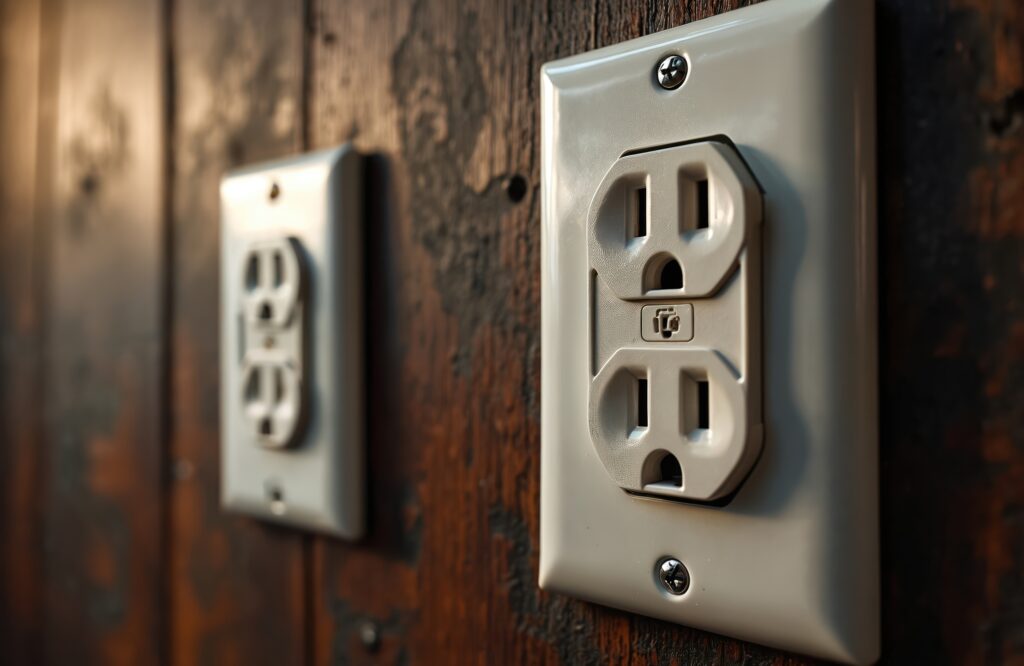
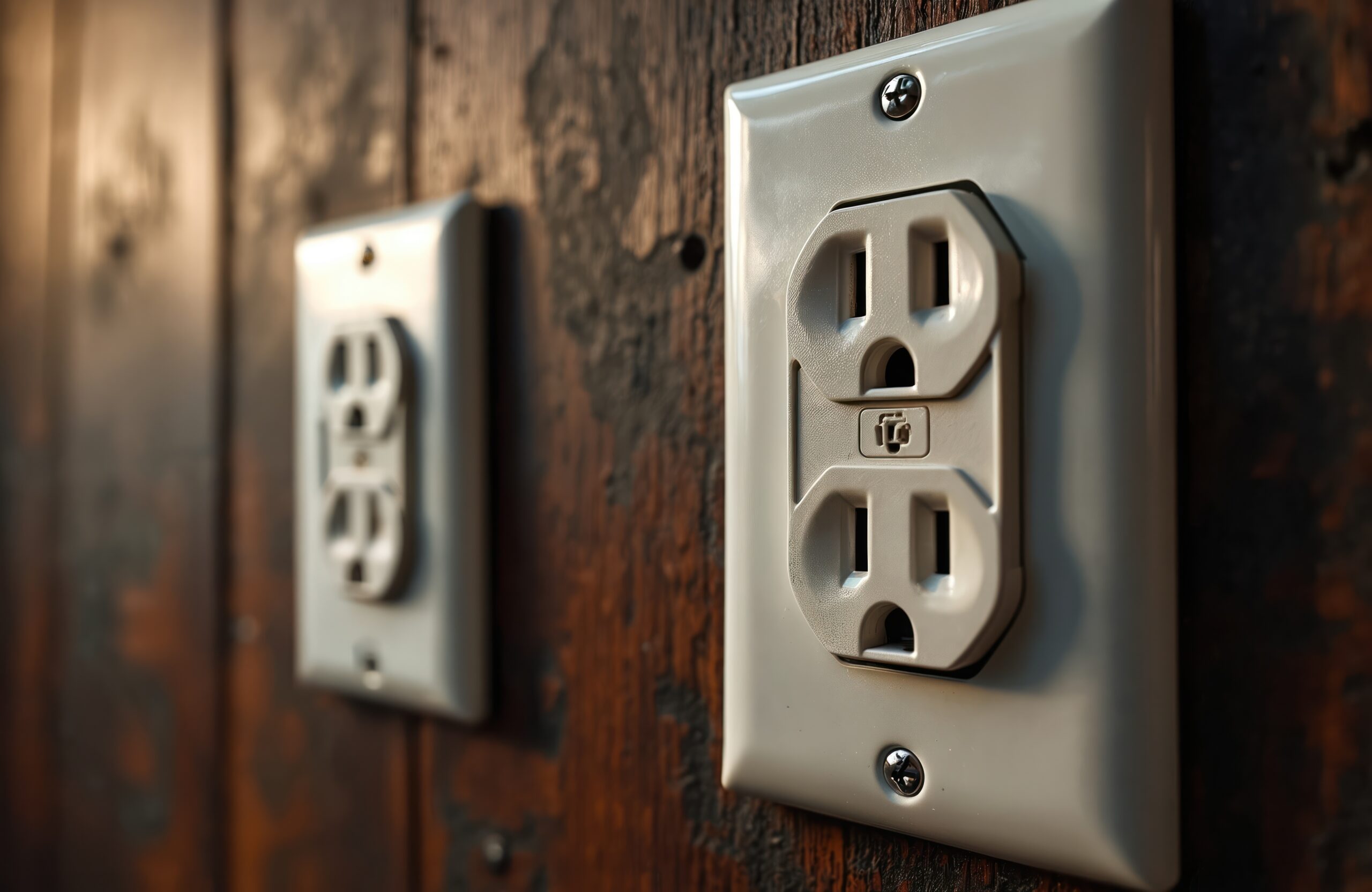
GFCI stands for Ground Fault Circuit Interrupter. Unlike standard outlets, a GFCI outlet monitors the flow of electrical current through the hot and neutral wires in a circuit. If it detects a difference—indicating that electricity may be leaking to ground—the outlet cuts off power almost instantly. This fast response is often life-saving. For example, if water finds its way into a kitchen outlet and creates a path for current to travel through a person’s body, a functioning GFCI will trip and shut the circuit off, preventing serious injury or death. Every GFCI outlet includes a “Test” and “Reset” button, which allow you to regularly check functionality and reset the circuit after a trip.
Why Your GFCI Outlet Won’t Reset or Test
There are a few common reasons a GFCI outlet won’t reset or test. First, the outlet may not have power due to a tripped breaker or fuse in your main panel. If the upstream circuit is compromised, the outlet will appear dead. Second, GFCI outlets can fail over time. The internal components, like the solenoid switch or the sensing circuitry, can degrade after years of use or exposure to moisture, heat, or wiring issues. Another common issue is incorrect grounding. If the outlet isn’t grounded properly, it may be unable to detect current leaks, and safety features like the reset button will not respond. Grounding problems are particularly problematic in older homes, where grounding methods may not meet current standards.
The Importance of Proper Grounding in Modern Homes
A GFCI outlet requires proper grounding not just for normal operation but for safety. Grounding provides a safe path for errant electricity to travel away from you and your home’s vulnerable appliances. Without it, even if the GFCI’s internal sensor trips, power can remain unstable. Many interruptions that originate from poor grounding can mask themselves as a device failure—when in reality, they’re symptoms of a deeper issue in your home’s electrical system. Even more critically, ungrounded systems are not just inconvenient—they’re unsafe. Home inspectors and warranty assessors commonly flag these systems because they don’t meet updated National Electrical Code (NEC) requirements. Proper evaluation by a licensed electrician or home warranty technician is recommended if grounding issues are suspected.
When to Replace Your GFCI Outlet
If resetting the GFCI fails, the first step is to confirm that there is power going to the outlet. This can usually be done by checking the breaker panel for any tripped circuits. If power is confirmed but the outlet still won’t reset or test, the outlet itself may need replacement. Like any device, GFCI units have a service life, generally around 10 years. However, age isn’t the only factor. Exposure to elements, overloading, and physical damage can cause premature failure. Any discoloration, buzzing sound, sparks, or a burning smell is a red flag. At that point, continued attempts to reset the device may be doing more harm than good. Replacement is often straightforward—but ideally performed by a qualified technician who can also verify proper installation, wiring, and grounding.
How a Home Warranty Covers GFCI and Electrical Issues
GFCI issues fall squarely within a portfolio of electrical system coverage that most home warranty providers include. If you’re enrolled in a home warranty plan and your outlet is non-functional due to faulty wiring, deteriorated components, or even manufacturer defects, your provider may cover the cost for repair or replacement. This is particularly helpful for systems hidden behind walls or involving upstream outlets—many GFCIs are daisy-chained, meaning one faulty GFCI can affect multiple zones. A typical electrician service call without warranty backing can cost you upwards of $150 just in diagnostics. With a comprehensive home warranty, that financial pressure is greatly reduced, and more importantly, response time is typically faster than sourcing individual contractors yourself.
Preventive Tips to Keep GFCI Outlets Working Properly
GFCI outlets are built for durability, but they still require regular maintenance. Test your GFCI outlets monthly using the built-in “Test” and “Reset” buttons. This confirms proper internal function and ensures your home’s electrical safety network is intact. Be mindful of devices you plug into these outlets. High-amperage appliances, frayed cords, or poorly grounded equipment can trigger unnecessary trips—repeated cycling can wear out the outlet quickly. Also watch for water infiltration in exterior boxes. Weather-resistant covers don’t last forever. Replacing them as needed ensures long-term outlet health. Lastly, consider upgrading older systems. If you live in a home built before 1980, many of your outlets may be non-GFCI or ungrounded altogether. Installing modern GFCIs not only increases safety but may also improve home insurance eligibility or rates.
Why This Issue Matters Beyond Just Functionality
It’s easy to treat a non-resetting GFCI as a one-off inconvenience. But the scope goes further. A failing GFCI outlet could indicate a broader issue—unstable voltage, overloaded circuits, aging electrical infrastructure, or even pest-related damage. In extreme cases, persistent tripping from a GFCI that won’t reset may coincide with symptoms across other systems. For example, HVAC shutdowns, flickering lights, or refrigerator malfunctions may stem from the same root grounding or power supply issue. Proper investigation and resolution protect not just your safety but the health of your entire property’s systems. Coverage through a home warranty adds a layer of assurance and immediacy that helps mitigate delays and costs associated with broader electrical diagnostics and service calls.
The Armadillo Advantage for Electrical Protection
When a GFCI outlet fails, you’re dealing with more than a minor disruption—you’re confronting a potential safety hazard, code violation, and ripple effect across your home’s essential systems. Armadillo understands this interconnected impact, and that’s why our home warranty plans are designed with precision and thoroughness. Our service includes electrical system components, diagnostics, and licensed service technicians trained to identify core causes—not just symptoms. Whether your outlet won’t reset due to faulty wiring or a larger circuit issue, our team coordinates fast, accurate resolutions that bring your home back to full function. Protect your property intelligently and confidently—start building your customized plan at armadillo.one or begin with your zip code-specific plan options here. Trust Armadillo to keep your home systems grounded, secure, and stress-free.