Understanding Your Dishwasher: How It Works, Why It Matters, and How Home Warranties Help
Of all the systems in a modern kitchen, the dishwasher is arguably one of the most underappreciated. It hums in the background, quietly handling the aftermath of family dinners, hurried breakfasts, and everything in between. But like all machines, dishwashers eventually break down. Understanding how your dishwasher works, what common issues arise, and how a home warranty can help protect your investment is more than just practical—it’s essential for responsible homeownership. In this article, we’ll dig into the inner mechanics of a dishwasher, outline its key benefits, flag potential drawbacks, and explain why having coverage through a home warranty may save you unnecessary stress, time, and expense.
What Is a Dishwasher and How Does It Work?
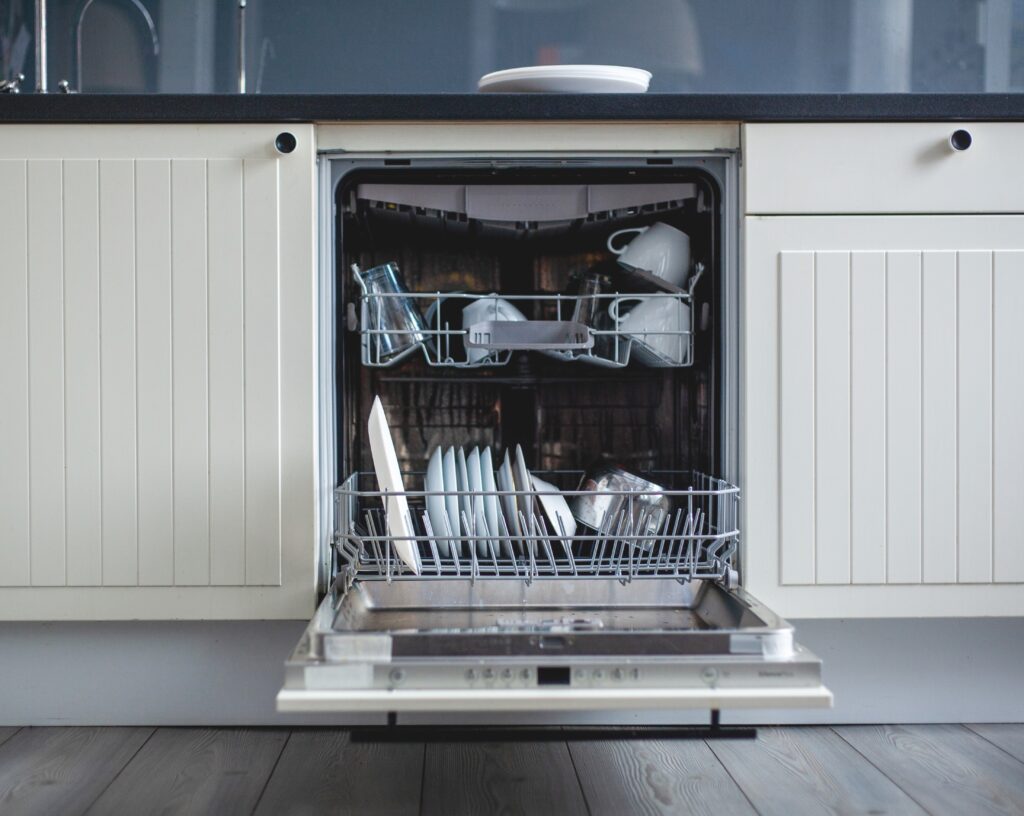
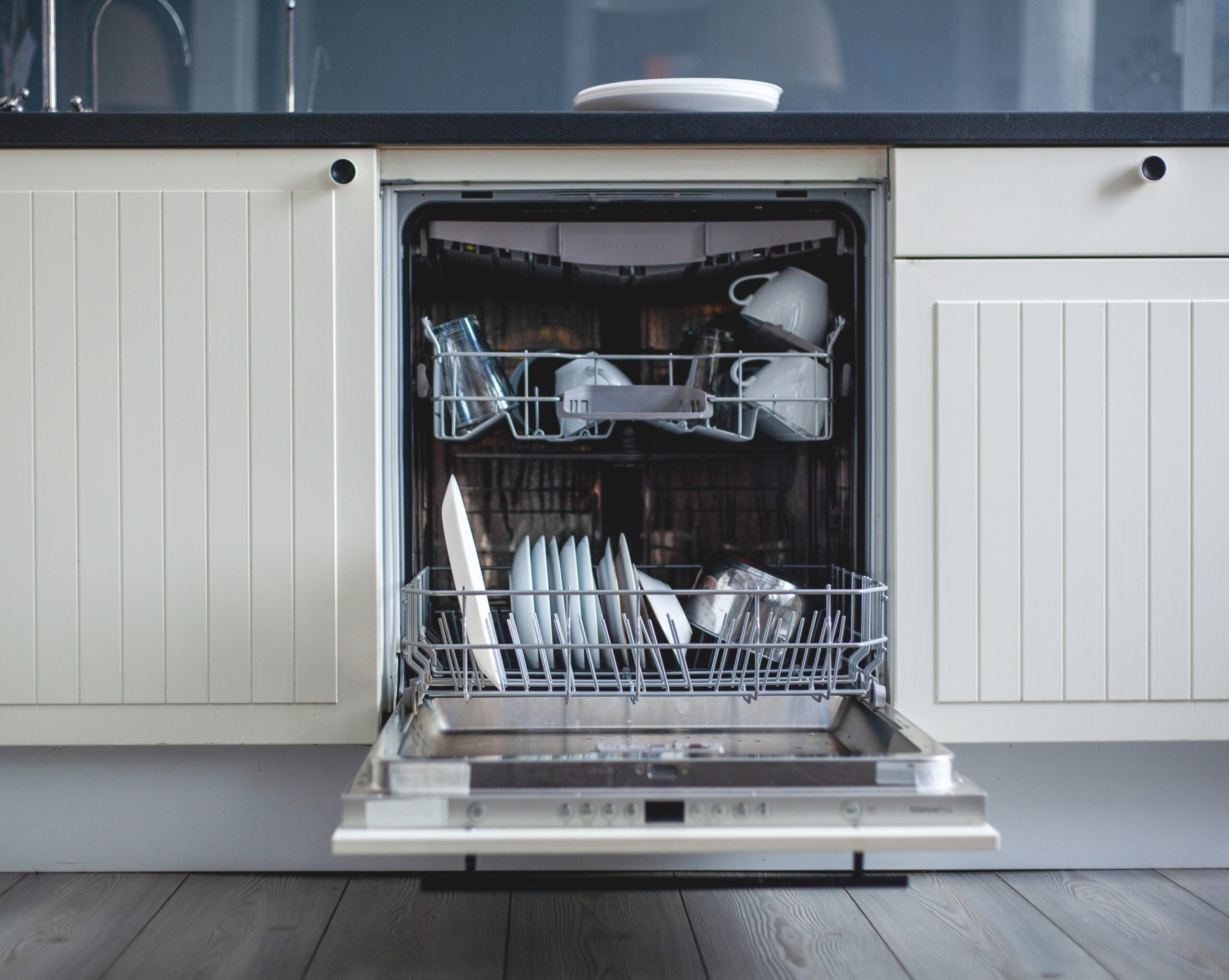
At its core, a dishwasher is a highly engineered kitchen appliance designed to automate the process of cleaning dishes, cookware, and utensils. Water enters the appliance through a dedicated intake valve. That water is then heated by an internal element. A pump forces the hot water through a series of rotating spray arms, which distribute water and detergent across the dirty items. After scrubbing them clean with this combination of heat, pressure, and soap, dirty water is drained out, fresh water rinses are cycled in, and finally, a drying phase begins—either through heated air or simple evaporation if you opt for an energy-saving mode.
Modern dishwashers combine precision sensors, adjustable cycles, and advanced filtration systems to maximize cleaning performance while conserving energy and water. Many models allow flexible racking, soil sensing, and even remote access through smart home apps. Still, for all the high-tech flair, it remains a relatively straightforward process: fill, heat, spray, rinse, dry.
The Advantages of Having a High-Functioning Dishwasher
The benefits of owning a high-performing dishwasher go beyond convenience, although that’s a big part of the equation. Proper dishwasher use reduces water consumption compared to hand washing, particularly in households that run full loads. It also saves time—no small benefit in the busy cadence of daily life—while ensuring more hygienic results due to water temperatures higher than what your hands would tolerate.
Beyond cleaning performance, dishwashers also extend the life of your everyday items. Soft jets of water and consistent detergent distribution are often gentler than scrubbing with a sponge. Some models are optimized to prevent etching on glassware, ward off residue buildup, or safely clean plastic items that might warp with traditional heat drying. Efficiency, sanitation, and mechanical consistency—these are the pillars of an effective dishwasher system.
Common Issues That Impact Dishwasher Functionality
Despite their reliability, dishwashers are not immune to wear and tear. Among the most typical issues are clogs in the spray arms or filters, failure to drain properly, strange noises during the cycle, or a heating element that stops working. Left unaddressed, these problems can escalate, interfering with performance or causing secondary damage to your kitchen floor or countertop from leaks, or worse, water backups.
Control panel malfunctions, pump failures, and broken latches are also recurring complaints. These problems are usually electronic or mechanical in origin, and replacement parts can be surprisingly costly. Even more so when you factor in the technician visit, diagnostic time, and potential repeat labor if the first attempt doesn’t fully solve it. The average repair costs for a mid-tier dishwasher can easily surpass $250, and that estimate jumps for top-tier or smart-enabled models.
DIY vs. Professional Appliance Repair: What Should Homeowners Know?
It can be tempting to fix your dishwasher yourself, especially when the issue seems minor. YouTube is full of tutorials. Replacing a lower spray arm or unclogging a filter might be within reach for homeowners with a basic toolkit. However, as soon as the issue involves wiring, pumps, or the control board, the risks of a DIY approach multiply. Incorrect handling can lead to voided manufacturer warranties, additional water damage, or inadvertently more costly repairs. Safety should always come first—modern dishwashers are connected to both water lines and electrical systems, making unapproved DIY fixes risky at best and hazardous at worst.
This is where a professional appliance technician shines. They bring certified knowledge, manufacturer-specific diagnostics, and can spot secondary issues you might not anticipate. Yes, the service charge adds up—but so does a misstep that leads to a full appliance replacement when a repair would have sufficed. This is where aligned support through a home warranty program becomes invaluable.
How a Home Warranty Bridges the Gap Between Cost and Coverage
Homeowners insurance typically does not cover appliance malfunctions due to wear and tear or internal failure—that’s where home warranties come in. A home warranty plan can provide cost-controlled access to vetted professionals who handle repairs and replacements without the unpredictable invoices. Dishwashers are frequently one of the most commonly protected kitchen appliances in a standard home warranty plan. Coverage usually includes the mechanical components—motors, pumps, timers, and circuits—so long as they fail due to normal usage.
When your dishwasher stops draining or the drying element quits mid-cycle, a home warranty lets you call in professional help at a predictable service fee—usually far less than the out-of-pocket cost for independent diagnostic and repair services. That means protection from budget shocks and less time lost trying to track down reliable appliance technicians. Plans like those from Armadillo allow homeowners to file a claim online, schedule a service promptly, and resolve the issue with minimal stress.
Choosing the Right Dishwasher: What to Consider Before Installing
If you’re installing a new dishwasher, pick one that not only meets your kitchen aesthetic but also your household demands. Energy efficiency ratings, cycle variety, capacity, and noise level are all valid deciding points. For smaller households, a compact or top-control model may be sufficient. Larger families might need expanded capacity or adjustable racks. Check that your plumbing and electrical connections match the technical requirements of the new unit—especially if you’re upgrading from an older model.
Brand reliability should also weigh into your decision. Some manufacturers offer stronger warranty terms, longer life spans, or better customer service networks. And as appealing as smart features sound, prioritize core functionality; a dependable wash cycle and effective drying system matter far more than Wi-Fi integration when your sink is full and the dishwasher won’t start.
When to Repair vs. Replace Your Dishwasher
The general rule: if your dishwasher is more than ten years old, and repairs exceed half the cost of a new one, replacement is probably your better bet. Age influences both component wear and energy efficiency. Newer machines will clean better and usually use less water and electricity per cycle. However, if your dishwasher is only a few years old and has a known fixable issue—like a failed water inlet valve or malfunctioning control board—a warranty-covered repair can add years of productive life without the expense of buying new.
Why Armadillo Is the Smarter Way to Protect Your Dishwasher
When a dishwasher breaks, it disrupts more than your routine. It adds unplanned costs, logistical headaches, and potential water damage concerns. A home warranty with Armadillo turns reactive stress into proactive protection. With clear, customizable coverage and a quick digital claims process, Armadillo makes it easy to safeguard your home systems and appliances—including dishwashers—before things go sideways. Explore our flexible plans at www.armadillo.one or start building your personalized home warranty package today at this link. Your dishwasher deserves more than a quick fix—it deserves full-circle protection that keeps your home running smoothly.