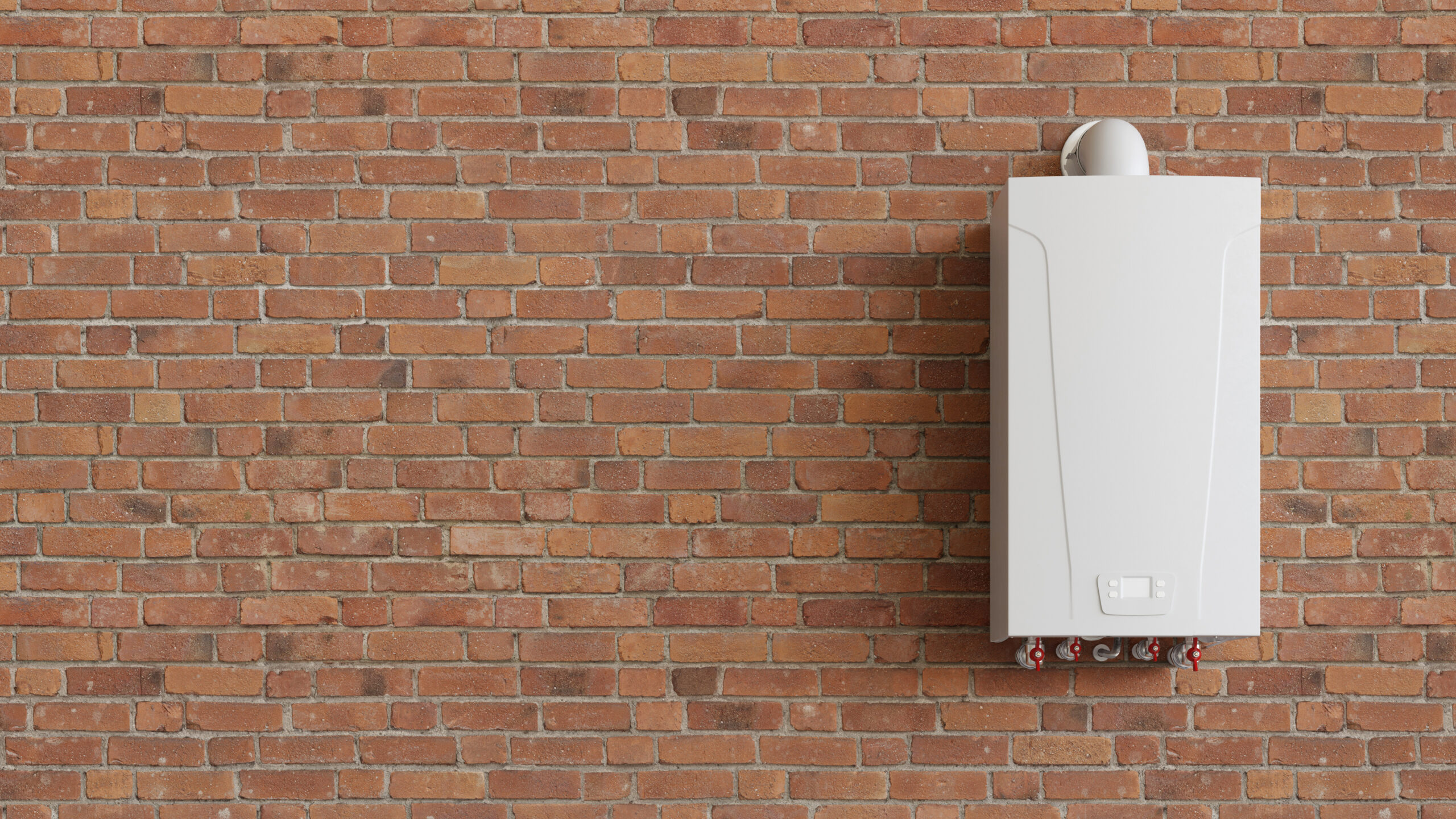
Understanding Tankless Water Heaters: Efficiency, Operation, and What Homeowners Should Know
Tankless water heaters, also known as on-demand water heaters, are changing how homeowners think about hot water. These compact, efficient systems offer a streamlined solution to hot water delivery—eliminating the bulky reservoir tank and replacing it with advanced, real-time heating technology. While popular among energy-conscious homeowners and space-savers alike, the functionality, benefits, and caveats of tankless systems aren’t always clearly understood. This article walks through the essential facts about tankless water heaters, how they work, their practical advantages and potential challenges, and what homeowners should consider before installation. Whether you’re exploring energy-efficient upgrades or researching before a replacement, gaining clarity on tankless systems is a useful investment in your home’s comfort and performance.
What Is a Tankless Water Heater?
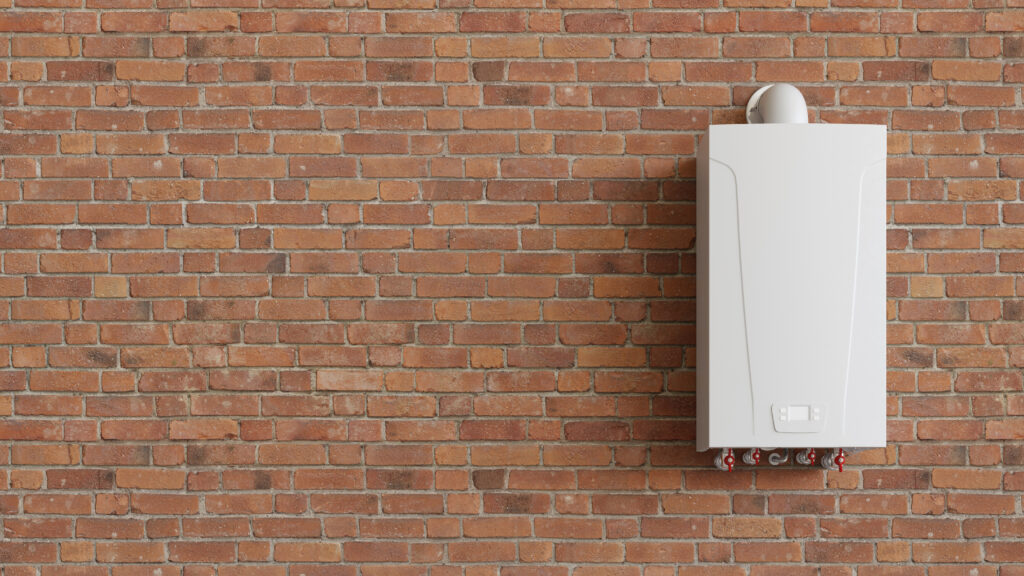
A tankless water heater is a home appliance that delivers hot water without using a traditional storage tank. Instead of keeping a reservoir of hot water heated at all times, it heats water only when you need it—hence the term “on-demand.” When someone turns on a hot water tap, the system activates and quickly brings cold water to temperature using either a gas burner or electric element. Once the faucet is off, the heating stops. The result is consistent hot water delivery with minimized energy use, assuming the system is properly sized for the home.
How Does a Tankless Water Heater Work?
Here’s the process, broken down. When you open a hot water tap—or activate an appliance that requires hot water, such as a dishwasher—cold water travels through the system’s inlet pipe. A flow sensor detects the movement of water and triggers the heating elements or gas burner inside the unit. As the water flows through a heat exchanger, it gets rapidly warmed to your desired set temperature. The heated water is then distributed through your home’s plumbing to the point of use. Once the flow stops, the system powers down. This eliminates the standby losses present in traditional tank-style heaters, which keep water hot even when it’s not needed.
Advantages of Going Tankless
The primary appeal of tankless technology lies in its efficiency. By producing hot water on demand, these systems avoid the energy losses associated with constantly reheating stored water. Homeowners typically see reductions in energy costs—especially in homes with lower hot water demand. The compact size frees up valuable storage space and installation flexibility, fitting easily on walls or in tight utility spaces. Additionally, the lifespan of a tankless system usually exceeds that of a traditional water heater—often lasting 20 years or more with proper maintenance. Many models also offer precise temperature control features, giving homeowners more consistency and customization in their daily usage.
Challenges and Considerations
Tankless water heaters, however, are not without their drawbacks. One common issue is flow rate limitation. If multiple hot water fixtures are in use simultaneously—for example, a shower and a washing machine—the system may struggle to keep up, depending on capacity. That’s why sizing is critical; an undersized unit leads to frustrating performance. Installation costs can also deter some homeowners. While operational savings may recoup the investment over time, upfront costs for both the unit and installation—especially if upgrades to gas lines or electrical systems are necessary—are higher than standard water heaters. Additionally, tankless systems are more sensitive to water quality. Hard water buildup can significantly shorten lifespan unless properly filtered or descaled.
Is a Tankless System Right for Your Home?
The answer depends on your household’s needs, water usage habits, and budget. Tankless systems are ideal in homes where efficient operation and space saving are priorities. For smaller homes or households with moderate simultaneous hot water needs, a single unit may suffice. Larger homes or those with high concurrent hot water usage may require multiple units or point-of-use installations—a factor that increases both complexity and cost. Climate may also matter; colder incoming water temperatures require more energy to heat, potentially affecting performance or choice of unit size. Evaluating your current and projected usage, along with consulting a licensed installer, can offer a clearer direction.
Tips for Maintenance and Lifespan Extension
Maintaining a tankless water heater is key to maximizing its lifespan and efficiency. Most manufacturers recommend annual or bi-annual descaling to remove mineral buildup—especially in areas with hard water. Installing a whole-home water softener or sediment filter can prevent performance issues and reduce wear on internal parts. Checking and cleaning the in-line screen filter occasionally helps preserve flow rate and prevents debris from affecting heating components. Pay attention to error codes on the display as they can alert you to developing issues early. Proper maintenance can help ensure smooth performance for decades, making the initial installation investment worthwhile in the long run.
How Tankless Water Heaters Tie into a Home Warranty Strategy
Tankless systems represent a smart future-ready upgrade, but like any appliance, they are not immune to breakdowns. Electronic parts, heating elements, and control boards can fail over time, and repair costs can be significant without coverage. A home warranty plan that includes your tankless water heater can mitigate these expenses and provide fast access to professional service when needed. Not all providers cover tankless systems by default, so reviewing the fine print is especially important. Homeowners considering such an installation should ensure the warranty aligns with the system details—brand, power type, and size.
Why Armadillo Makes Sense for Tankless System Coverage
If you’re investing in a tankless water heater, pairing it with comprehensive protection from Armadillo enhances your confidence in its return. Armadillo’s home warranty plans are designed to support modern, energy-efficient homes and include coverage for key systems like tankless water heaters. Fast claims processing, clear terms, and flexible options align with the dynamic nature of homeownership today. For homeowners interested in smart decisions and long-term value, Armadillo helps ensure your hot water stays consistent no matter what. Learn more about Armadillo’s approach on their homepage, or get started with a personalized plan through their plan builder.