Understanding and Fixing Your Bathroom Extractor Fan: A Homeowner’s Guide
An effective bathroom extractor fan is more than just a convenience; it’s a key player in your home’s air quality and moisture control. Left unchecked, steam from daily showers and baths can quietly damage ceilings, encourage mold, and strain HVAC systems. Whether you’re dealing with persistent fog on mirrors or peeling paint, the bathroom exhaust fan is often the unsung hero trying to hold everything together. For homeowners, knowing when—and how—to fix or replace this essential appliance is a valuable skill, especially as part of a broader understanding of home maintenance and warranty coverage.
What Is a Bathroom Extractor Fan and How Does It Work?
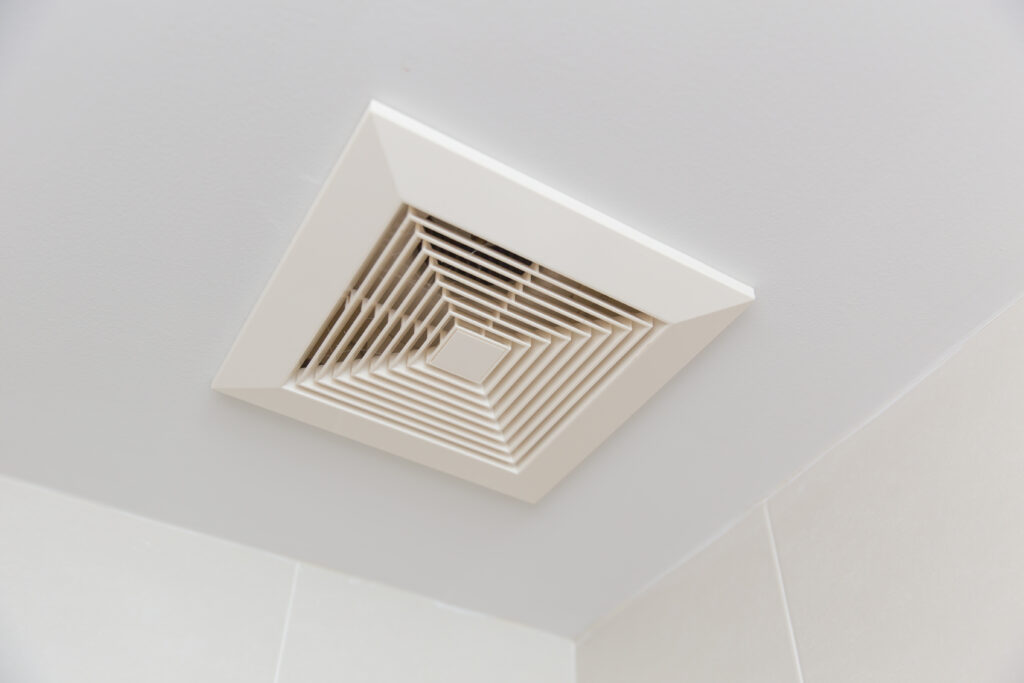
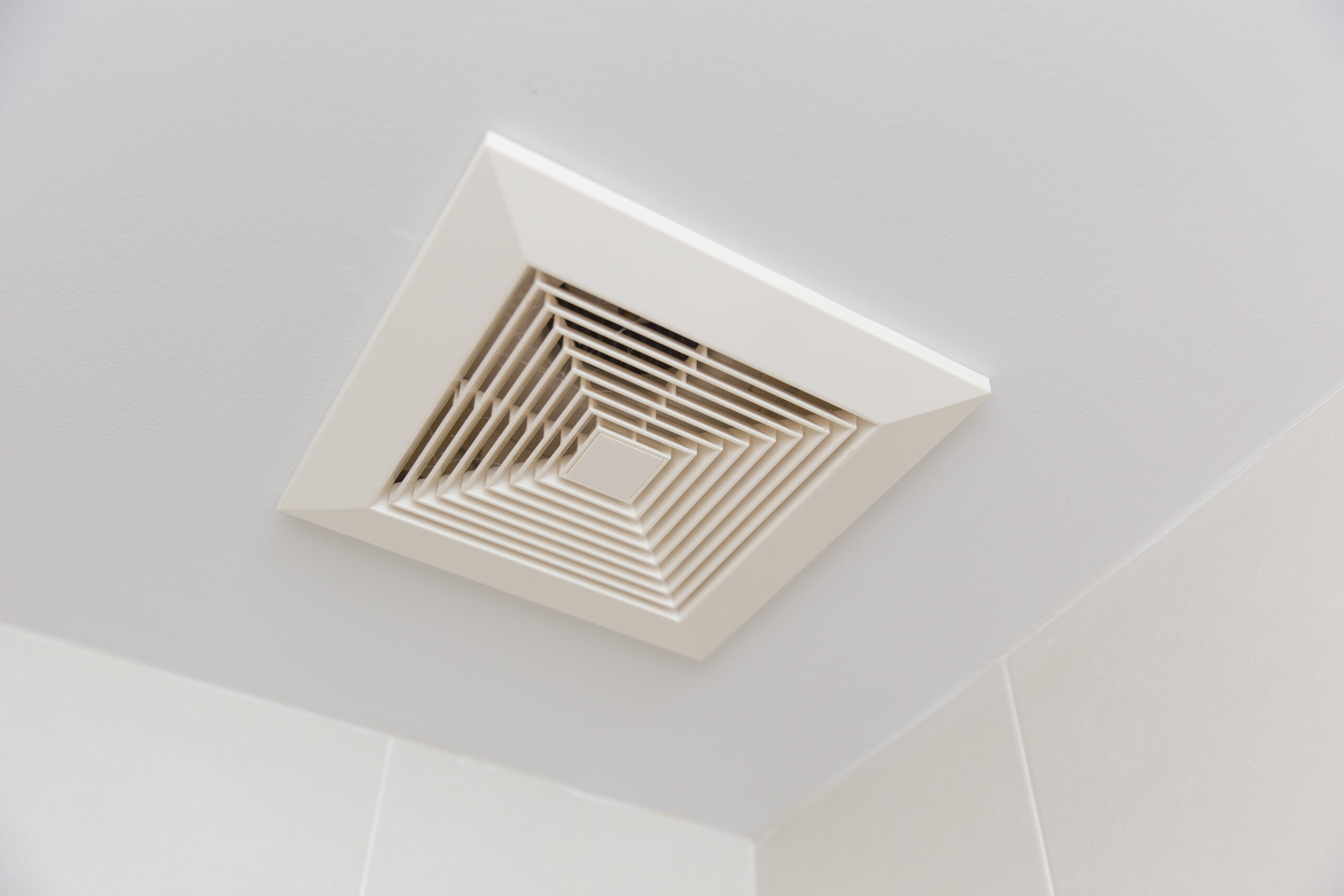
A bathroom extractor fan is a mechanical ventilation device designed to pull moist, humid air out of a bathroom and expel it outdoors. It helps maintain indoor air quality by reducing the buildup of moisture that can lead to mildew, structural damage, and excessive wear on paint, drywall, and fixtures. The fan usually operates via a wall switch or a sensor that detects humidity. Inside, a small motor spins blades that create airflow through ducting connected to an exterior vent. It’s straightforward technology, which makes it easy to overlook—until it stops working.
Why Proper Bathroom Ventilation Matters
Bathrooms are one of the most humid environments in any home. Each shower or bath adds moisture to the air, and without proper ventilation, that moisture settles onto colder surfaces as condensation. Over time, this can lead to peeling paint, bubbling wallpaper, warped wood trim, and even black mold colonizing behind walls or ceilings. Inadequate ventilation also increases strain on your cooling system and can trigger allergens in sensitive individuals. By extracting that air efficiently, a bathroom fan maintains healthy humidity levels, preserving both air quality and structural integrity.
Signs Your Bathroom Extractor Fan Needs Attention
If your mirror is still foggy long after a shower, or if you detect a musty smell when you walk in, your fan might not be working properly. A noisy motor, slow or no air movement, or visible mold around the vent area are also common red flags. In some cases, the issue might be electrical—loose wiring, a blown fuse, or a faulty wall switch. More often, though, fans get clogged with dust and lint over time. In homes with older models, internal motors can wear out after years of continuous use, requiring repair or replacement. Ignoring these signals might lead to more extensive maintenance down the line, including damage not typically covered by standard insurance policies.
Common Fixes and How to Troubleshoot
The first step is to turn the fan off at the circuit breaker and remove the outer grill. Carefully vacuum out any visible dust or debris—blockage is one of the most common culprits for poor airflow. Then, inspect the fan blades and motor. Are they turning freely? If the motor hums but doesn’t spin, it might be seized or burned out. Replacing the motor can sometimes be more cost-effective than replacing the entire unit, depending on its age and model. Check ducting for blockages or disconnected segments, especially in attics, where animals or insulation can interfere with the vent path. If the fan is completely silent, test the wall switch and power supply. For electrical issues, a licensed electrician is usually the safest option.
When Replacement Makes More Sense Than Repair
In homes with outdated fans that lack sufficient CFM (cubic feet per minute) ratings for modern bathrooms, repair may be a short-term fix for a long-term problem. Current ventilation standards recommend at least 50 CFM for small bathrooms, with larger spaces needing 100 CFM or more. Replacing an old fan with a newer, more efficient model can dramatically improve performance while reducing noise. Advances in fan technology now include embedded humidity sensors, timers, energy-efficient motors, and even LED lighting. If your fan is older than 10 years, or if it’s not accessible for cleaning and maintenance, replacement might be the better investment for both comfort and resale value.
Choosing the Right Replacement Fan
When selecting a new extractor fan, match the size of the fan (in CFM) to your room’s square footage and overall volume. Also consider noise levels, listed in sones—a rating of 1.0 or lower is considered quiet. Look for models with Energy Star certification if efficiency is a priority. Depending on your ceiling setup, some fans require attic access while other models are retrofit-friendly, designed for installation from inside the room. It’s important to ensure compatibility with your existing ductwork and electrical wiring. For most homeowners, installation is manageable, but if ductwork needs to be altered or vented through roofing or siding, hiring a contractor may be the smarter, safer route.
Routine Maintenance and Home Warranty Coverage Insights
Just like HVAC systems or major appliances, bathroom fans benefit from regular maintenance. Cleaning the vents every six months—or more often if you live in a high-humidity region—helps keep airflow unimpeded. If your home is covered by a home warranty, be sure to understand exactly what fan components are included. Some home warranties may cover fan motors or related electrical failures as part of an extended electrical system or built-in appliance policy. However, most do not cover cosmetic replacements or problems stemming from poor ventilation design. If you’re unsure what’s included in your home warranty plan, review your coverage or consider upgrading with a provider that prioritizes transparency and homeowner support.
Why Armadillo Home Warranty Is Built for Real Homes and Real Problems
At Armadillo, we know that something as small as a bathroom fan can lead to major costs—or major relief—depending on how protected your home truly is. That’s why we offer customizable, transparent home warranty plans designed to cover the real systems and appliances homeowners rely on every day. Whether it’s the extractor fan, the wiring behind it, or the HVAC system it supports, we help keep your home running smoothly. Explore how Armadillo can support your next home improvement or repair by visiting our homepage at www.armadillo.one. Ready to protect your bathroom and beyond? Start building your custom plan now at this link, and give your home the care it deserves—with confidence.