Does Lowe’s Rekey Locks? What Every Homeowner Should Know About Rekeying
Whether you’ve just purchased a new home, experienced a tenant turnover, or misplaced a key, one home improvement project you may be considering is rekeying your locks. And perhaps one of the first questions that comes to mind is, “Does Lowe’s rekey locks?” The short answer: yes. But the broader and more important conversation is about how rekeying works, when it makes sense, what your options are, and how this relates to the overall health and security of your home—all through the lens of smart homeownership practices. In this article, we’ll walk through every aspect of the rekeying process, the pros and cons, and how solutions like home warranties can support your efforts in keeping your home systems efficient, safe, and worry-free.
Understanding Rekeying: What It Is and How It Works
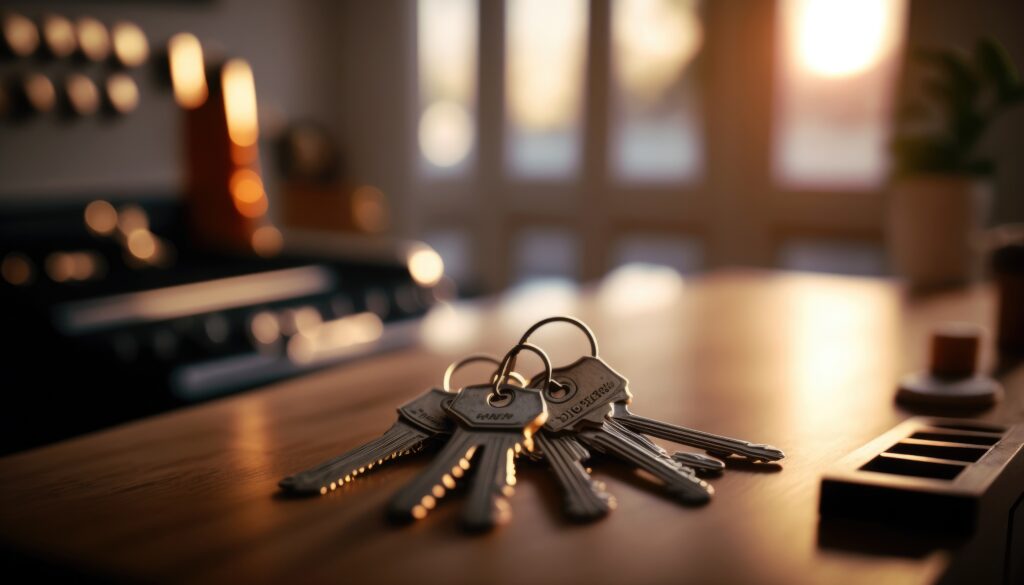
Rekeying is the process of changing the internal components of a lock so that it can be operated by a new key, without replacing the entire lock mechanism. Unlike replacing a lock, which involves removing the entire hardware setup, rekeying is a less invasive and more affordable option when you’re looking to update key access but retain the same locks on your doors. Most pin tumbler locks, which are common in residential properties, can be rekeyed. A technician realigns the tumblers or pins inside the lock to a new configuration, cutting a new key to match while rendering any old keys useless. It’s a straightforward yet precise process, and an effective way to reset control over who has access to your home.
Does Lowe’s Rekey Locks? The Service and Its Scope
Yes, Lowe’s does offer lock rekeying services both in-store and, depending on your location, via onsite locksmith partners. If you purchase compatible lock brands, such as Kwikset and Schlage, the store’s key cutting and rekeying service can often be done on the same day. Typically, homeowners bring the lockset into the store, though select Lowe’s locations offer mobile locksmith services if you need rekeying done at your home. If you plan to purchase multiple locks from Lowe’s, they can also be keyed alike so they use the same key—an added convenience that helps eliminate key clutter and streamline access.
When Should Homeowners Consider Rekeying?
Knowing when to rekey is about matching the right security response to the right scenario. If you’ve recently moved into a new home, rekeying should be at the top of your checklist. It ensures previous owners and anyone they may have given keys to no longer have access. Rekeying is also a smart solution after a break-in, in the event of lost or stolen keys, or if you’ve gone through staff changes in a rental or vacation property. Over time, certain locks may become difficult to turn or unreliable. In those cases, rekeying might not be enough—you may be dealing with physical deterioration of the lock and need a replacement. Understanding when to act—and what action to take—is fundamental to maintaining a secure, efficient home.
Advantages of Rekeying Over Full Lock Replacement
Choosing to rekey instead of replacing your entire lock system offers several advantages. First, it’s significantly more cost-effective. Rekeying requires fewer materials because you’re only adjusting the pins and springs, not replacing the full locking mechanism. It’s also faster. For compatible locks, the service can often be done in under an hour, making it the preferred option for those who need same-day security upgrades. Additionally, rekeying allows homeowners to maintain existing hardware, which is beneficial if you have unique or custom door designs and want to preserve consistency in the aesthetics of your home. And if you own multiple locks from the same manufacturer, Lowe’s or a locksmith can rekey them to a master key system—reducing the need to juggle multiple keys while still retaining control over access points.
Common Drawbacks and Limitations to Consider
While rekeying locks is an efficient solution in many scenarios, it’s not universally applicable. Locks that are heavily worn or damaged may not be suitable for rekeying and could require complete replacement for optimal security. Not all lock brands are supported at all retailers—so if your locks are uncommon, Lowe’s may not have the right pins or tools on hand. There’s also the matter of matching lock brands if you’re trying to unify multiple locks under a single key. Schlage and Kwikset, for example, use different key systems and are not interchangeable. That means rekeying only works within the same brand unless you opt for full lock replacement. Lastly, rekeying does not upgrade the security rating of a lock. If you’re concerned about potential bypass tools, drilling attacks, or smart lock integration, upgrading the entire lock may be the smarter move.
Rekeying and Home Warranties: A Surprising Connection
Though rekeying may seem like a basic hardware service, it connects in useful and often overlooked ways to your broader home protection plan. A home warranty isn’t typically associated with locks, but many modern plans now include options for rekeying services—particularly after you purchase a new property. This is key if you’re aiming to reduce out-of-pocket costs while still covering the essential updates that help secure your home. Rekey service through a home warranty provider can mean having a qualified professional dispatched without the burden of sourcing the lock brand or managing logistics. It wraps an everyday service into a well-rounded protection strategy. Given how central home security is to overall peace of mind, it’s worth exploring warranty options that recognize that ecosystem.
Tips for Streamlining Your Rekeying Project
If you’ve decided to move forward, the process becomes simpler with a few planning steps. First, take inventory of all exterior door locks and determine how many you’d like on the same key. Confirm the brand of each lock (often etched near the keyhole). If they’re all from the same manufacturer, you’re in luck—it’s possible to rekey at a lower cost and enjoy a master key arrangement. When visiting Lowe’s, bring the locks or the original keys and relevant product packaging where possible. If you’re scheduling a locksmith service at home, ensure the technician is certified for the brands you’re using. And, consider using this time to evaluate other entry points—garage doors, sliding doors, and side entrances—where a lock audit or upgrade could strengthen your home security posture. Rekeying, when viewed as part of a comprehensive home care approach, adds value in ways often missed on the surface.
Why Homeowners Choose Armadillo for Smart, Secure Protection
As a homeowner, every choice you make about your property’s safety, efficiency, and usability feeds into your broader lifestyle investment. Rekeying might appear as a small fix, but it intersects with much bigger concerns: access management, convenience, and confident control of your environment. That’s where a modern home warranty comes into play. At Armadillo, we understand that your home is more than brick and mortar—it’s a dynamic, evolving system. Our streamlined plans don’t just cover the breakdown of systems and appliances—we build them to match your daily needs, including features like rekeying assistance. Whether it’s setting up new locks after a move or fortifying your peace of mind with timely services, Armadillo is here for the full journey. Start by exploring our offerings at Armadillo’s homepage, or take control today with our plan builder and customize your protection in just a few steps. Either way, we’re here to help you lock in security—and unlock serious value.