Understanding the Old Shower Diverter Valve: What Homeowners Need to Know
Old shower diverter valves might not be at the top of your homeowner to-do list, but they hold a pivotal place in your bathroom. That small, often-overlooked component behind your shower wall controls where your water goes—whether you’re taking a quick rinse or filling the tub after a long day. When it works properly, you hardly notice it. When it fails, you’re left with half-functioning water flow and rising frustration. Whether you’re troubleshooting a stubborn valve or considering a renovation, understanding how these diverters work, what their limitations are, and why they matter for home functionality is essential. This guide walks you through all of it, so you’re equipped to make informed decisions before that steady drip turns into a full-blown problem.
What Is a Shower Diverter Valve?
A shower diverter valve directs the flow of water in a bathroom plumbing system. Typically found in combined shower/tub setups, its job is simple: channel water either to the tub spout or the showerhead. Think of it as a railway switch for water. In older homes, these valves are installed behind the wall or integrated into the tub spout. They rely on internal mechanisms—largely rubber washers and gaskets—that wear out over time. When the diverter becomes inefficient, it can leak, fail to fully direct water to the shower or tub, and even lead to increased water waste. This small component has a bigger impact on daily routines than many realize.
How Old Diverter Valves Work
Traditional shower diverter valves come in a few main types, most commonly the tee diverter. When you pull up on the small knob on the tub spout, a rubber stopper or mechanical gate shifts inside the piping, closing off the tub spout and forcing water upward to the showerhead. Releasing the diverter allows water to flow back through the tub. In some configurations, especially in three-handle shower systems, one of the handles specifically controls this diverter function. These systems are straightforward by today’s engineering standards, but prone to wear because of the internal rubber seals. Over time, mineral deposits, corrosion, and sheer friction degrade the materials inside. One day, you pull up the diverter—and the water lazily drips from both outlets. Not ideal.
Benefits of the Traditional Diverter Valve Design
There’s a reason these valves persisted in home designs for decades. First, they’re compact and don’t require electrical components or complex installations. Many homeowners appreciate the low upfront cost and familiar mode of operation. Replacement parts tend to be inexpensive, readily available, and DIY-friendly for those comfortable with plumbing basics. The mechanical nature of these valves also means fewer points of electronic failure, making them reliable under normal conditions over time. In homes with accessible plumbing configurations, old diverter valves are easy to identify and repair or replace. This makes them an efficient solution—until age catches up with the materials inside.
Common Problems With Aging Diverter Valves
Over time, diverter valves develop issues ranging from minor annoyances to full mechanical failure. One of the first signs is reduced water pressure to the showerhead. When the internal seal deteriorates, you may see water flowing simultaneously from the tub and the showerhead. This not only affects water temperature consistency but leads to waste and inefficiency. Another symptom is a stiff or slippery diverter knob. As mineral buildup accumulates from hard water, movement becomes less stable or entirely stuck. Left untreated, a faulty diverter can increase wear on your home’s plumbing system, especially if leaking moisture seeps behind the wall. This scenario becomes costly fast, often requiring wall removal to access and correct water damage. What starts as a mere inconvenience can evolve into a significant repair.
When to Repair or Replace Your Diverter Valve
If your shower diverter valve is leaking, stiff, or failing to fully redirect water, a repair or replacement is necessary. For units integrated into the tub spout—common in older homes—a simple spout replacement may solve the issue. A wrench and a little patience are often all that’s needed for a DIY update. However, diverters embedded inside the wall may involve accessing plumbing behind tile, which typically exceeds a casual repair job. In cases where the valve is over 15–20 years old, replacement is usually more cost-effective than repeated fixes. Advancements in valve tech over the years have brought more consistent water flow and better sealing materials. Upgrading offers short- and long-term efficiency benefits, especially in homes undergoing broader bathroom renovations. Maintenance is also a factor. Annual inspection can highlight wear before it becomes costly. Consider water hardness in your area, as mineral-heavy water can accelerate deterioration of diverter components.
Signs Your Home Warranty May Help
Diverter valves fall into a gray area when it comes to home warranties. Depending on your coverage, they might be included under plumbing system repairs. The key variable is the scope of your policy. If your warranty covers aspects of your home’s internal plumbing—including faucets, shower heads, and valves—then a malfunctioning diverter may be eligible for repair or replacement. This can offset the cost of labor and parts, particularly in wall-embedded systems. The challenge is timing. Homeowners often ignore low-priority repairs until symptoms become unavoidable. It’s worth reviewing your home warranty policy annually to confirm which components are supported. This way you avoid surprise expenses when a long-ignored diverter problem turns into significant bathroom damage. A proactive perspective saves time and money.
Modern Alternatives and Efficiency Gains
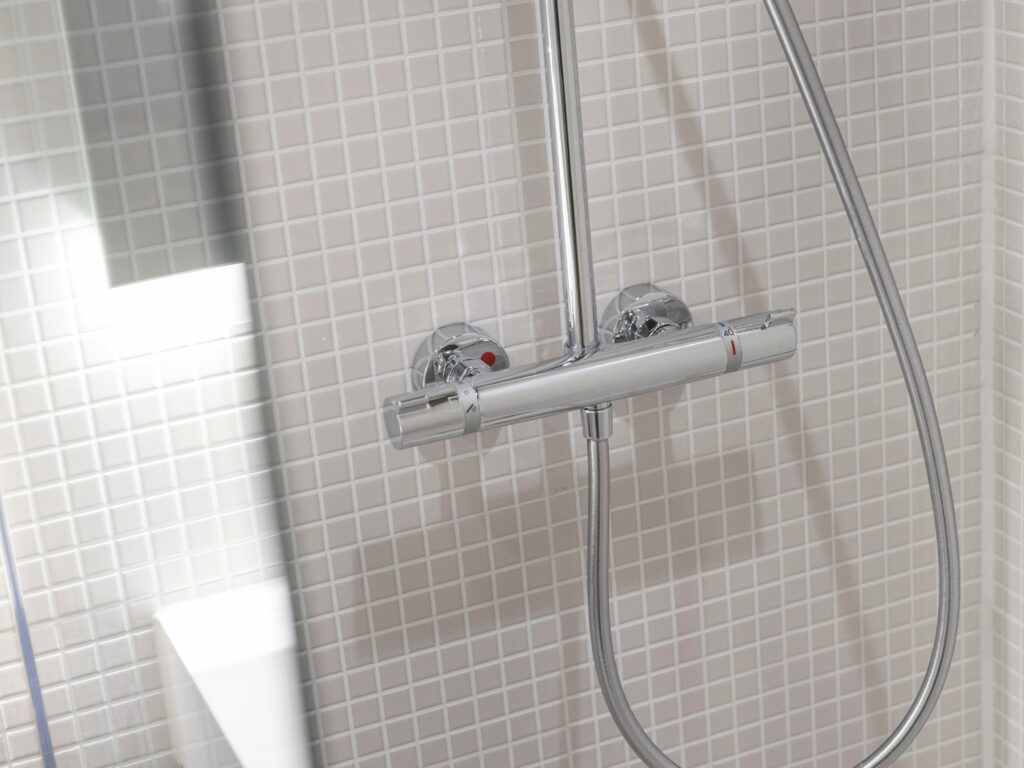
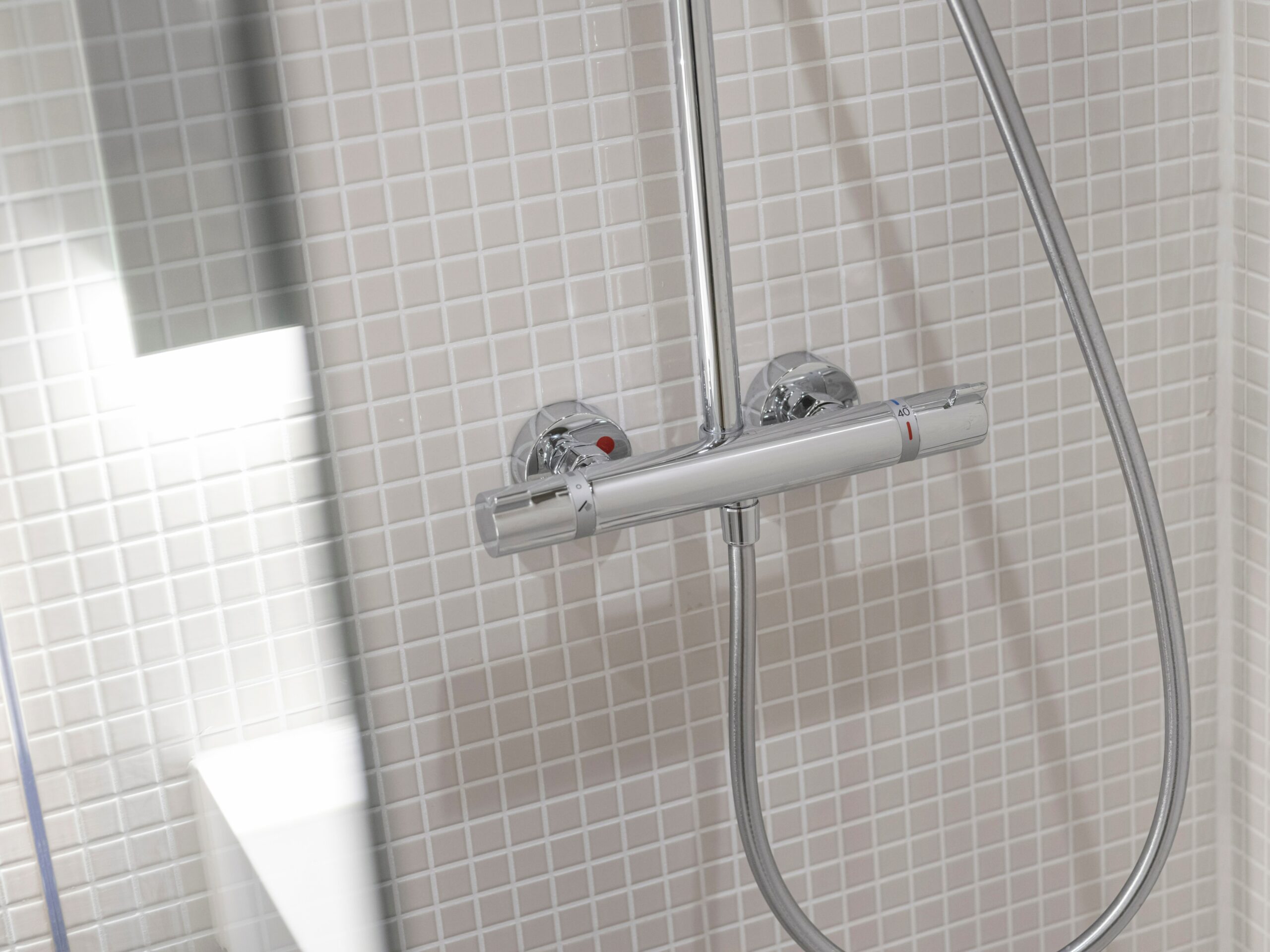
Today’s diverter valves have evolved beyond the basic tee and gate models of older systems. Pressure-balanced and thermostatic diverters now offer consistent temperatures and improved safety, especially for households with young children or aging adults. Multi-function diverters support dual showerheads or hand showers, giving you more flexibility from the same plumbing system. Modern materials like ceramic disc cartridges provide superior longevity compared to rubber washers used in older units. These upgrades not only improve the shower experience, but also help reduce water consumption by ensuring complete redirection. If you’re remodeling or already opening your bathroom walls for other repairs, it’s worth investing in a newer diverter system and possibly replacing older pipes. The improved performance and potential energy savings can enhance your home’s value while reducing future upkeep.
Protecting Plumbing Systems with the Right Home Warranty
When an old shower diverter valve begins to fail, the impact ripples through your entire bathroom experience. Left unchecked, these small issues cause inefficiencies and long-term damage to fixtures, surrounding tile, and plumbing infrastructure. This is exactly where a robust home warranty from Armadillo becomes an intelligent safeguard. With comprehensive options that include internal plumbing repairs, Armadillo grants peace of mind by addressing unseen wear hiding behind your walls. Policies evolve with your household needs, meaning aging valves and other critical systems don’t have to surprise you. Discover how Armadillo can protect your home’s essential infrastructure by visiting Armadillo. Ready to tailor a plan for your plumbing system and more? Begin your coverage today at the Armadillo Plan Builder.