



















What Is Home Warranty

Resources

Freezer Not Cooling but Fridge Works: Causes and Fixes

Why Your Freezer Isn’t Cooling But the Refrigerator Is Working Just Fine

It can be disconcerting to open your freezer expecting a block of ice cream and finding a puddle instead—especially when your refrigerator shelves below are chilling your produce without issue. This isolated freezer failure can feel perplexing, but the explanation often comes down to design, airflow, or component malfunction. Understanding how your refrigerator-freezer combo operates is the first step to unraveling the mystery—and preventing future problems. As a homeowner, it’s important to grasp how these major appliances function and where common trouble spots lie, especially when it comes to protecting them under a home warranty.

Understanding How Refrigerator-Freezer Combos Work

Most modern kitchen units are actually a single cooling system. That means your refrigerator and freezer aren’t two independent coolers stacked together; instead, one compressor and evaporator cool both compartments. In many designs, cold air is generated in the freezer and then shared with the refrigerator by way of a damper system driven by a fan. This fan distributes airflow based on each compartment’s temperature settings, using thermostats to regulate performance.

So, if your refrigerator is working while your freezer is not, the likely breakdown is somewhere in the parts responsible for cold air distribution. This specific failure reveals a lot about where the issue may lie—and what it’s not. It likely isn’t the main compressor. It suggests the defrost system, evaporator fan, air ducting, or temperature controls might be out of sync. And for homeowners with a home warranty plan, understanding these pieces becomes valuable when considering coverage and what to expect from a claims process.

Common Causes of a Freezer Not Cooling

Several specific issues can stop your freezer from cooling correctly while leaving your refrigerator untouched. The evaporator fan motor is a frequent offender. If this fan fails, cold air generated in the freezer compartment can’t be circulated effectively, and temperature regulation falters. Another typical cause is a blocked or broken air damper. The damper acts as a valve between freezer and fridge—if it sticks closed or stops responding to thermostat cues, the balance shatters. There could also be a problem with the defrost system. Ice build-up on coils can constrict airflow and insulate cold temperatures from permeating as intended.

Sometimes, airflow is physically blocked—think overstuffing your freezer or a forgotten item shifted out of alignment with the vents. In rare cases, control panels or thermistors fail electronically, misreading internal temperatures and preventing proper cooling cycles. Homeowners with older units may also see fan blades covered in dust and grime, limiting their ability to circulate air. Each of these breakdowns can create very specific operational symptoms. None, however, point to a complete system failure—just localized disruption.

Key Components That Keep the Freezer Functional

To diagnose or understand freezer problems, it’s important to know the major working parts. The compressor pressurizes refrigerant and helps it circulate to absorb heat. The condenser coils expel that heat, while the evaporator coils inside the freezer actually make things cold. What bridges these components is the evaporator fan motor, which moves cold air into both compartments. The defrost heater prevents those coils from icing over, while a thermostat gauges internal humidity and temperature to toggle cooling cycles appropriately. The main control board oversees all of this, executing commands and responding to sensor feedback.

When your freezer stops working but the refrigerator doesn’t skip a beat, it’s often because one of these internal components has experienced partial failure. It hasn’t taken down the whole system—just the portion devoted to the freezer. A home warranty provider will often look at these situations as a targeted appliance disruption and send trained technicians to isolate and repair or replace only the affected part.

Troubleshooting Tips Before Calling in a Claim

Homeowners don’t always need a multimeter to do basic diagnostic checks. First, check the cleanliness and arrangement of your freezer. If vents are blocked or frost buildup is significant, clearing the area may restore airflow. Next, listen carefully. If the evaporator fan isn’t humming, it may not be working. Slight humming near the compressor but silence inside the freezer points to a fan issue. If the freezer light turns on but temperatures remain soft, the thermostat could be malfunctioning. These kinds of observations can help your warranty provider speed up diagnostics and verify that the issue is covered.

It’s also useful to unplug the unit for five to ten minutes and then restart it. This resets electronics, which can resolve minor control board errors. If fans restart normally and airflow resumes, you may have just dodged a larger repair. That said, if symptoms persist or temperatures don’t drop within hours, a service call becomes essential—and a home warranty becomes a smart investment in resolving it quickly and cost-effectively.

What a Home Warranty Covers and How It Helps

Home warranties can offset the cost of diagnosing and repairing broken household systems and appliances, including refrigerators and, in most plans, freezers. What matters is how the failure occurred. Most providers cover normal wear-and-tear failures to components like thermostats, motors, or fans. However, damage from neglect or improper use typically isn’t covered. With a reliable home warranty like Armadillo, coverage usually means access to a qualified technician, an affordable service fee, and protection from unexpected repair costs that can push into hundreds—or even thousands—of dollars.

A warranty program encourages homeowners to report problems promptly and receive support from professionals who understand the nuances between freezer and refrigerator architecture. This level of insight can be especially valuable when the symptoms seem confusing, like in cases where a freezer fails independently.

When to Repair vs. Replace a Malfunctioning Freezer

Not every freezer failure points to a total system replacement. In fact, most single-component issues—like a damaged fan blade or stuck damper control—can be repaired affordably. But repeated breakdowns or older units near the end of their life cycles often suggest a different decision. If your freezer is over 12 years old and repairs exceed 50% of the unit’s market value, replacement becomes a logical choice. Warranty providers often assist with this decision by weighing repair costs against potential future wear. Ensuring timely service not only restores performance but also reduces food spoilage and household inconvenience.

Protecting Your Refrigeration System for the Long Run

A proper maintenance schedule can extend the life of both your freezer and refrigerator. Monthly cleaning, quarterly vent checks, and annual coil vacuuming help prevent performance disruptions. Be mindful of how your food is stored—avoid blocking airflow vents, and don’t overstock. Temperature settings matter too. The freezer should hold steady at 0°F, while the refrigerator should stay close to 37°F. Monitoring these ranges gives insight into how well your unit is functioning and alerts you to early signs of failure.

For added protection, homeowners can rely on strong warranty coverage. Armadillo makes policy customization simple, allowing you to choose plans that prioritize kitchen appliances and ensure rapid response when problems like this arise. Freezers shouldn’t be something you worry about—coverage turns that “what now” moment into a confidently managed inconvenience.

Why Homeowners Choose Armadillo for Appliance Protection

When your freezer stops cooling but your fridge is still operational, fast action is essential to prevent food waste and restore performance. Armadillo offers specialized home warranty coverage with stress-free claims handling and service you can count on. Their digital-first approach simplifies what used to be a frustrating process, letting homeowners request service, track visits, and get fixes done quickly. With industry knowledge, transparent plans, and fair pricing, Armadillo helps you protect what matters most in your home. Learn more at armadillo.one or get started with a custom plan tailored to your appliance needs at our plan builder. Peace of mind is only a few clicks away.

Share:

Next Posts

resources

Top Home Warranties for HVAC Systems: What to Know

Understanding HVAC Systems: What Homeowners Need to Know Before Choosing a Home Warranty For most homeowners, HVAC systems are among […]

resources

How to Clean a Sink Drain Without a Disposal Safely

How to Clean a Sink Drain Without a Garbage Disposal: A Homeowner’s Guide A sink that drains slowly or smells […]

resources

Smart Locks Explained: Secure, Modern Access for Your Home

Understanding Smart Home Locks: How They Work and Why They Matter Home security has come a long way from simple […]

Welcome to a new age of home warranty

Affordable plans.
Hassle-free home ownership.

Subscription-based protection for when major
appliances and systems break down.

Armadillo

What is Home Warranty?

Home Warranty plans cover the costs of repair or replacement of major appliances and systems like HVAC, refrigerators, dishwashers, washer/dryers and so much more.

Armadillo is a technology company that makes requesting a repair and resolving the issue streamlined, easy, at your fingertips, and affordable.

Typical Home Warranty

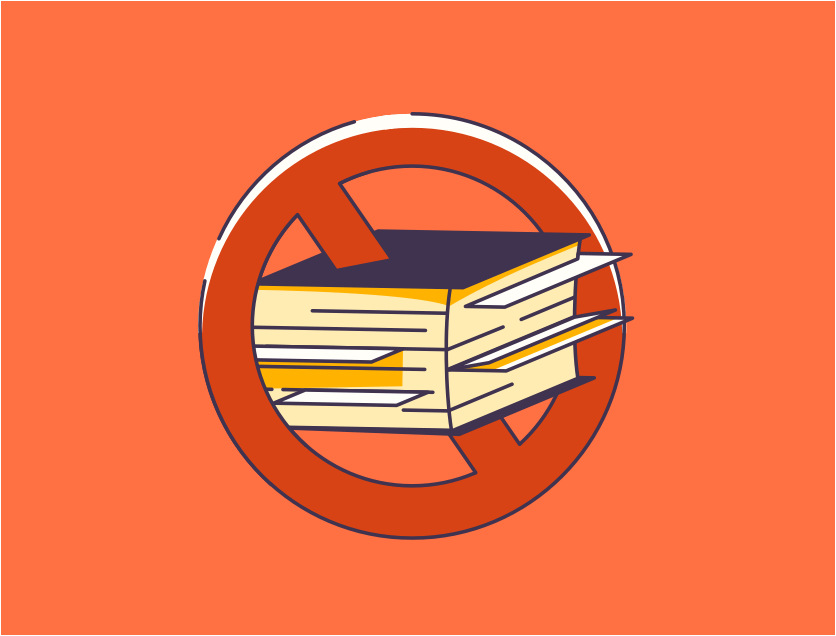
A long legal contract. More pages means more conditions and exclusions – and more reasons to deny you service.

Armadillo’s Home Warranty

Shortest, most transparent and digestible plan in the industry. That means less fine print so that we can actually deliver for you.