What Does a Plumbing Vent Look Like? A Homeowner’s Guide to an Essential System
If you’ve ever walked past your roofline and spotted a short, straight pipe jutting out and wondered what it does, you’ve likely found your plumbing vent. Though it may not look like much, this unassuming feature is a critical part of your home’s plumbing system. Without it, draining a sink or flushing a toilet would involve more than a simple movement. Plumbing vents often go unnoticed—until a problem occurs. And when that happens, knowing what a plumbing vent is and how it functions becomes vitally important. Homeowners who understand these systems are better equipped to maintain their homes and minimize the risk of water damage and expensive repairs. Let’s explore what plumbing vents do, how they work, what they look like, and how you can make informed decisions about keeping them in top shape.
What Is a Plumbing Vent?
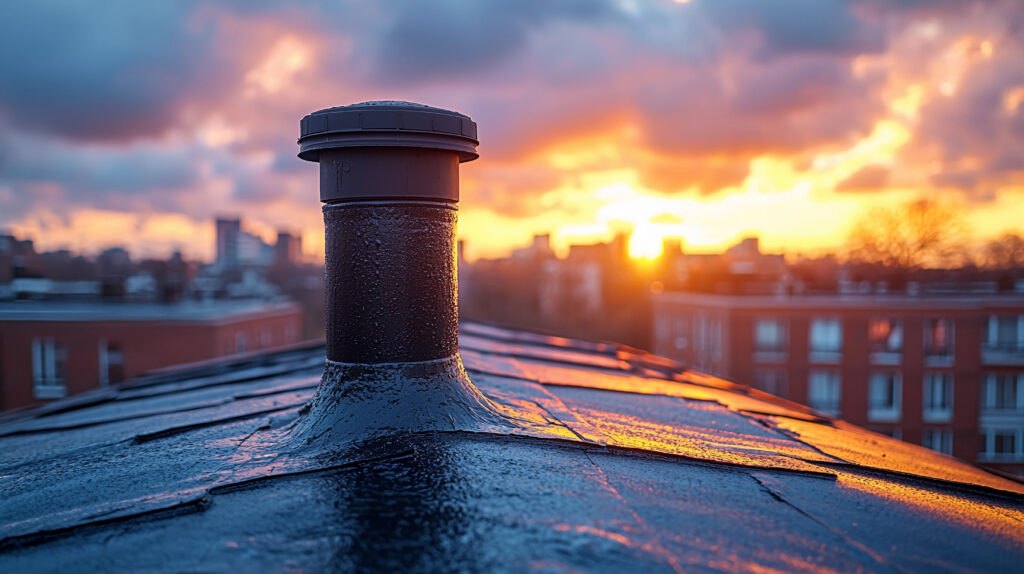
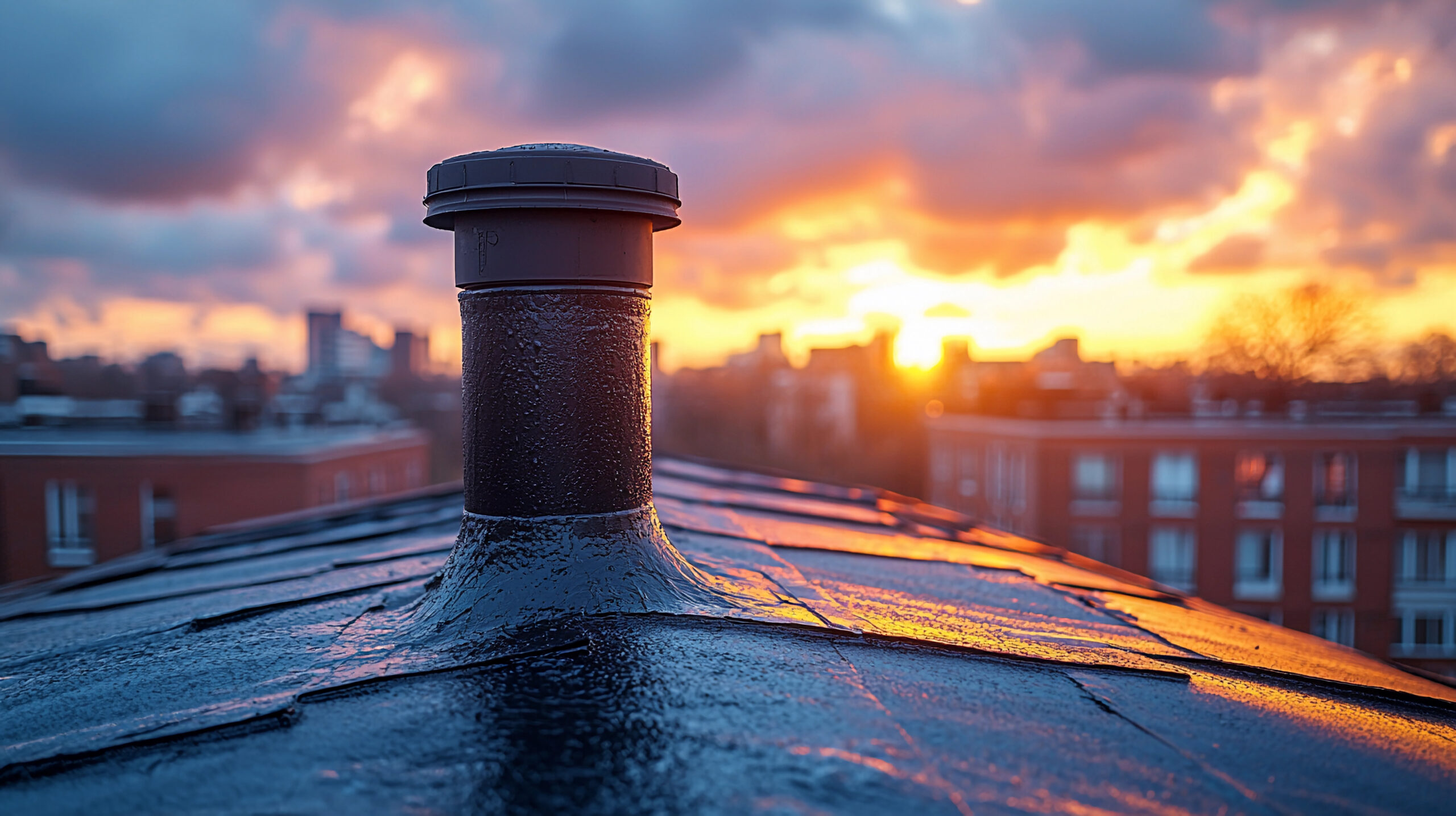
A plumbing vent, also known as a vent stack or vent pipe, is an essential component of your drainage system. It allows air to flow into the plumbing system to balance out the pressure created when water flows through the pipes. Without proper ventilation, drainage slows down or even stops, leading to gurgling fixtures, foul odors, or backed-up sewage. These pipes typically extend vertically from your drain lines through the roof of your home. From the outside, a plumbing vent looks like a short, capped or open pipe poking upward from the roofline—usually a few inches in diameter and made of metal or PVC. Despite its simple appearance, it plays a crucial behind-the-scenes role in maintaining the health and functionality of your home’s plumbing infrastructure.
How Does a Plumbing Vent Work?
The plumbing vent functions as the respiratory system of your drain-waste-vent (DWV) setup. When water flows down your drains, it creates a vacuum. That vacuum can prevent water from draining properly unless balanced by airflow. The vent pipe introduces outside air into the system, breaking that vacuum and allowing waste and water to flow smoothly through the drainpipes. Plumbing vents also serve another key purpose: they prevent sewer gases from entering your living space. Without proper venting, traps in the plumbing—those U-shaped bends in the pipes under your sinks—can dry out or lose their water seal, allowing noxious fumes to escape indoors. Proper ventilation ensures that your drainage system operates quietly, efficiently, and safely.
Why Homeowners Should Pay Attention
For most homeowners, plumbing systems aren’t something you think about until there’s a problem. But ignoring your plumbing vents can lead to issues that aren’t just inconvenient—they’re potentially hazardous. Sewer gas exposure can cause headaches, dizziness, or more severe health concerns over time. Signs of a blocked or malfunctioning vent include gurgling noises from drains, slow-draining fixtures, foul smells, or toilets that struggle to flush. These symptoms are often misattributed to clogged drains, leading to temporary fixes that don’t address the underlying issue. A clear understanding of how venting affects drainage can help you better describe problems to a professional—or know when to take immediate action. The sooner you catch vent-related issues, the simpler and less costly the resolution tends to be.
Types of Plumbing Vents in Residential Homes
Your home might have more than one type of plumbing vent, depending on its layout. The most common is the main vent stack, which runs vertically up through the roof. Then there are auxiliary or re-vent pipes that connect to individual fixtures and tie back into the main vent. Another option becoming increasingly common in modern construction is the air admittance valve (AAV). This one-way valve allows air to enter the system when needed but remains closed otherwise to block gases. Unlike traditional vents, AAVs don’t need to extend through the roof, making them useful in remodels or areas where roof access is constrained. Understanding the types of venting can help homeowners recognize what’s in their house and ensure that future renovations or repairs preserve proper airflow and code compliance.
Advantages of a Well-Functioning Plumbing Vent System
A properly installed and maintained plumbing vent system offers more than just peace of mind. It contributes significantly to the longevity and comfort of your home. With efficient venting, your water drains quickly and quietly without backups. A vent system also safeguards your indoor air quality by keeping sewer gas out. By equalizing pressure within your pipe network, vents help prevent water from being siphoned out of P-traps. This protects fixtures from contamination and maintains their ability to function reliably. Overall, a healthy vent system enhances water efficiency, minimizes the wear and tear on pipes, and lays the groundwork for a sanitary, stress-free household. These are the kinds of wins that homeowners rarely notice—until something goes wrong. Which is exactly why they deserve attention before trouble starts.
Common Problems With Plumbing Vents
Like any component of your home, plumbing vents can encounter issues. One common concern is blockage. Leaves, debris, birds’ nests, or even ice in colder climates can clog roof vents. When airflow is obstructed, water may drain more slowly, toilets may flush weakly, and gas odors may develop. Corrosion or cracks in older metal vent pipes can also allow water leakage into your attic or walls. Sometimes, during roof repairs or renovations, vents are accidentally covered, displaced, or improperly sealed. Because plumbing vent pipes intersect multiple parts of your home structure—roofing, walls, and plumbing—issues can surface in unexpected ways. Regular roof inspections can help identify potential vent problems before they escalate. If you suspect a blockage or other concerns, contact a licensed plumber to perform a smoke test or camera inspection. Identifying the cause early ensures you maintain full functionality without cascading damage.
Tips for Maintaining Your Plumbing Vents
You don’t need to climb up on your roof to keep your plumbing vent system in good condition, but knowing how to monitor and maintain aspects of it helps keep your entire drainage system healthy. Begin by taking note of any recurring gurgling or foul odors. These subtle sounds and smells are often the earliest indicators that something’s off with your venting. During seasonal roof maintenance or gutter cleaning, ask your contractor to take a quick look at the vent openings. Keeping those clear from leaves or snow accumulation can drastically reduce the chance of vent failure. If your roof is inaccessible or your home has unique architecture, consider installing roof vent caps with mesh guards to block debris and wildlife. In newer homes or remodels, make sure your contractor installs approved air admittance valves only in accordance with local plumbing codes. Professional guidance and small preventative actions can add up to huge savings on headaches and home repairs down the line.
How a Home Warranty Like Armadillo Can Help
Understanding your home’s systems—plumbing vent included—empowers you to take better care of your property. But even the most proactive homeowner can’t predict every breakdown. That’s where a home warranty proves its value. Armadillo offers modern, flexible home warranty plans that cover essential systems, including plumbing, helping protect you from unexpected repair costs and service delays. When a vent issue causes plumbing disruptions, having a plan in place means you’re not scrambling to find and vet a local expert last minute. Armadillo’s fast and reliable service gives homeowners comfort and confidence, especially when dealing with hidden issues in complex systems. Learn more about how Armadillo can safeguard your home’s most important systems at armadillo.one or start customizing your warranty plan now at this link.